
Alit Technologies
CONTACT US

Revolution in extrusion dies cleaning: how Claris 9346MB transformed die cleaning for Extrusal S.A.

At the heart of the dynamic Portuguese company Extrusal S.A., a big change is revolutionising the extrusion die cleaning process. Through the introduction of Claris 9346MB, an innovative product, Extrusal has achieved relevant results that are changing the landscape of the dies cleaning plant managing. Let’s find out how this winning partnership has not only optimised Extrusal’s operational efficiency but also contributed to a more sustainable management of the environment.

Before we dive into the wonderful technicalities of Claris and its effects, it is only right to introduce you to Extrusal, who it is and what it does!

EXTRUSAL S.A. is a Portuguese company operating in the metallurgical sector, specializing in the extrusion of aluminium components and profiles for the construction industry (window and door systems, shading and cladding solutions, railings, and facade systems), general industry (transportation, engineering, energy, among others), and the automotive industry. Founded in March 1972, Extrusal has consistently remained at the forefront of technology, with a primary focus on the quality of its products and services to ensure maximum satisfaction for both direct and indirect clients.
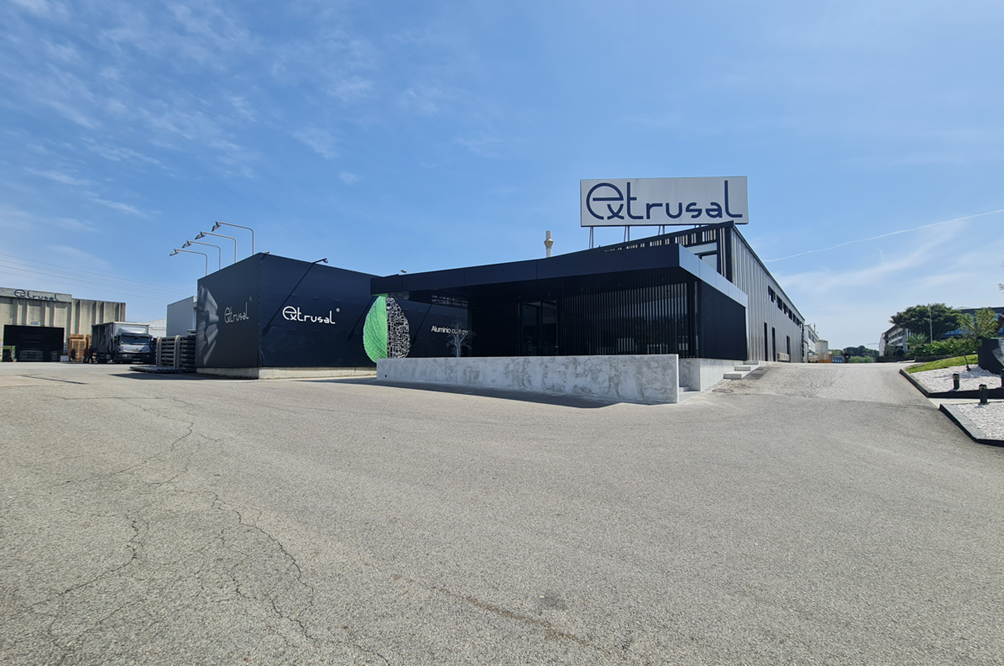
Extrusal S.A. headquarters in Aveiro, Portugal.

Currently, the industry represents approximately 74% of the company’s turnover (26% automotive industry and 43% general industry), with direct exports accounting for 37%. Architectural sector exports primarily target PALOP countries, while the Industry sector exports to Europe.

Extrusal’s production process consists of:

  • Engineering and Development Department: Equipped with the latest CAD/CAM systems, it plays a crucial role in internal R&D. Collaborating with the Product Marketing Department and the Prototyping Center, this department develops technical solutions for the Construction sector;
  • Die Factory: Extrusal has an autonomous die factory that produces the majority of the dies used in the extrusion process. It is equipped with milling machines, machining centers, non-conventional lathes, turning CNC machines and EDM. The increasing complexity of products makes die manufacturing an increasingly important step in Extrusal’s production process;
  • Extrusion: Extrusal currently operates two extrusion lines (17MN and 20MN) with an annual extrusion capacity of approximately 13,000 tons (depending on productivity and profile type). The company has a dedicated Extrusion support laboratory for R&D of extrusion profiles and their control, conducting tests such as tensile tests, Brinell hardness, Webster hardness measurement, and roughness tests;
  • Machining: The machining section is equipped with saws, presses, milling machines, balancers, bending machines, and various dedicated equipment. Extrusal’s machining process complies with the NP EN ISO 9001 standard;
  • Thermal Cutting: Extrusal was the first company in Portugal to produce thermal cutting systems for architecture, with a dedicated production line;
  • Surface Treatments (powder coating, anodizing, and wood effect decoration): Extrusal has three sections dedicated to each type of in-house surface treatment. For anodizing, an electrolytic process, Extrusal has held Qualanod certification (no. 1405) since 1983. Powder coating, a Thermosetting coating process, has also been certified by Qualicoat since 1995. An internal laboratory ensures the quality control of processes and products.

Extrusal was the first Portuguese company, and one of the few in Europe, to obtain certification for the global quality management system – NP EN ISO 9002 – in the areas of die manufacturing, extrusion, anodizing, and .Thermosetting powder coating. Additionally, in 1997, Extrusal was the first Portuguese company, and one of the few in Europe, to obtain certification for the global quality management system – NP EN ISO 9002 – in the areas of die manufacturing, extrusion, anodizing, and powder coating.

A pioneer in environmental defense and preservation, Extrusal built a wastewater treatment plant in 1982. Environmental awareness has driven the acquisition of new equipment and technologies, leading to the implementation of an Environmental Management System and obtaining ISO 14001 environmental certification in 2002. Process optimization and a focus on reuse/recycling have been fundamental at Extrusal. The company has embraced an ecological organizational culture with all stakeholders, promoting sustainable practices throughout the organization.

In the architectural sector, the focus is on developing solutions using recyclable or recycled materials, energy-efficient, and durable. Extrusal’s portfolio includes hinged and sliding systems, cladding systems, shading solutions, facade systems, balustrading solution, shutters, and aluminium systems for indoor use. Window and door solutions undergo tests for thermal, acoustic, and AEV (air permeability, water tightness, and wind resistance) performance. Extrusal is one of the pioneering companies in adopting the Class+ labeling system promoted by ADENE.

Extrusal offers a wide range of solutions for the Industry sector, leveraging aluminium’s characteristics such as lightness, conductivity, durability, malleability, recyclability, and non-toxicity across various industries (from food to aerospace). For the automotive sector, Extrusal develops structural and decorative components with high-quality finishing. The company also contributes to the solar industry through its “Pro-Solar” solutions, designing and developing innovative aluminium structures for mounting solar panels or collectors.

Last but not least, alongside offering pre-conceived profiles, Extrusal provides clients with the opportunity to present their own projects.

Now that we have laid the groundwork for the case history of Extrusal S.A., it is time to dive into the practical part that will capture the attention of the industry’s technicians. We will explore how the use of the Claris 9346MB in the mould cleaning department has brought observable benefits and revolutionised the way Extrusal approaches this crucial operational aspect.
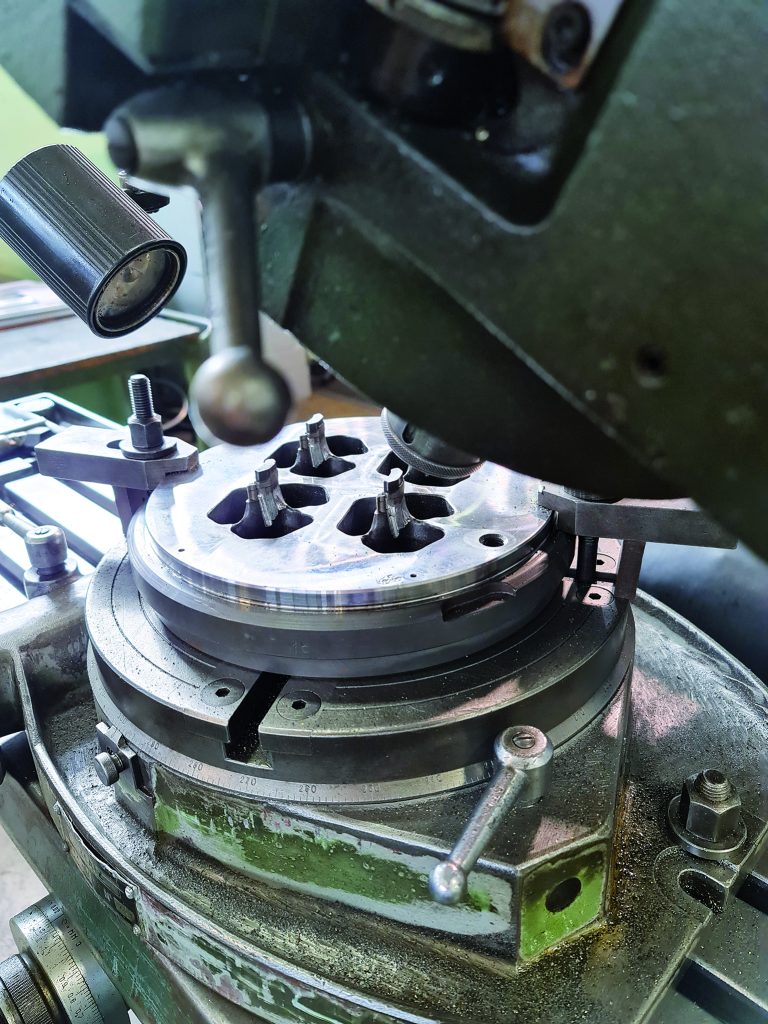
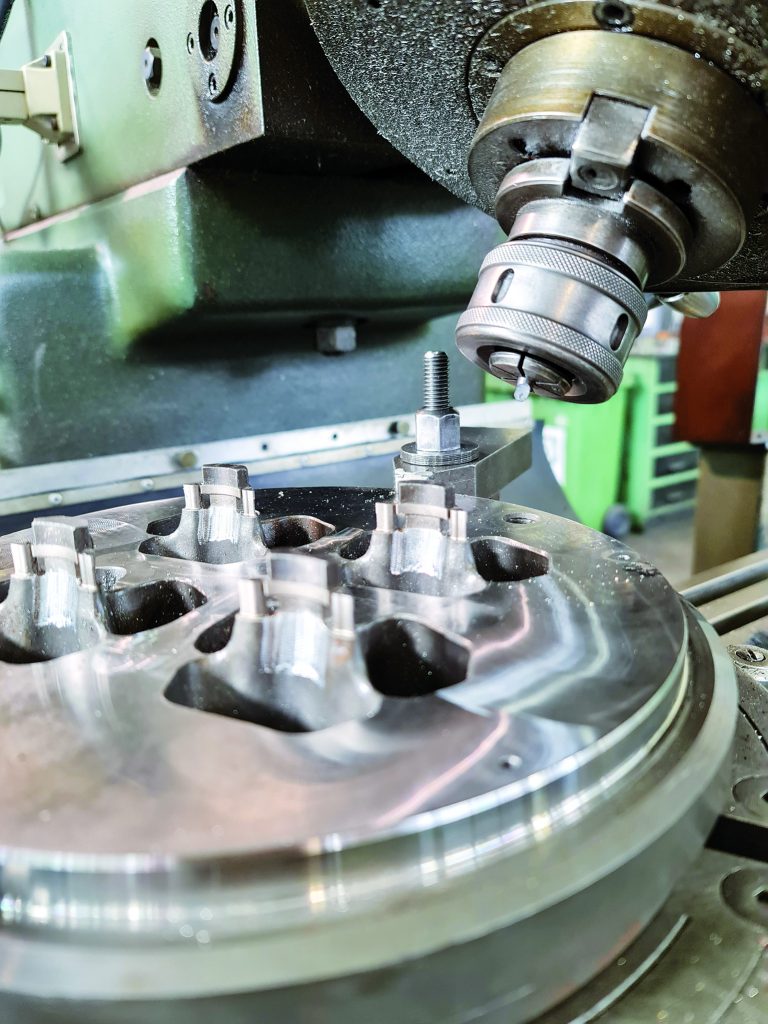
Dimensional Quality control of dies by Extrusal S.A.

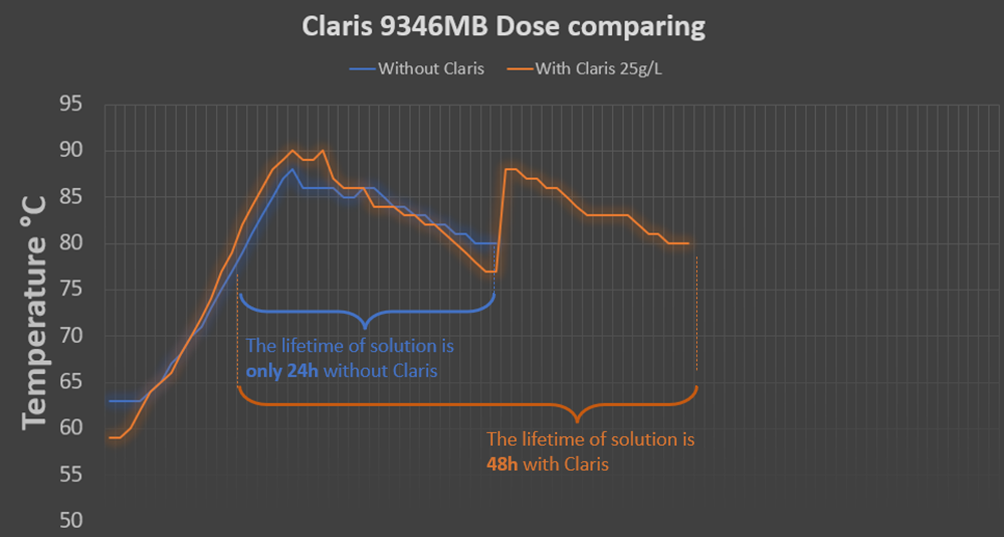
The die cleaning tank used in Extrusal has a nominal volume of 1000 litre. Before the introduction of CLARIS in this plant the customer was using the dye cleaning solution, consisting in sodium hydroxide 30% w/w, for 24hours. As described by our colleague Pedro Oliveira “After this time has elapsed the alkaline solution was regularly dismissed because it was exhaust, no longer useful for cleaning of new extrusion dies. Practically there was a consumption of about 1000 litre of NaOH 30% every 24h work, and during this time the average amount of cleaned materials was about 6 baskets of extrusion dies”. Pedro continues by telling us that “After a visit to the die cleaning plant, and after collection of the preliminary technical date, it was organized a first test with Claris 9346MB. It was prepared the 1000 litre of NaOH 30% as usual, and it was added 25 g/l of CLARIS 9346MB, namely 25 Kg. Then the operators started the cleaning of extrusion dies as usual. After  24 hours, the operators realized that the bath was still effective, i.e still able to clean the extrusion dies, so a new cleaning cycle was started without changing the alkaline solution and without adding again CLARIS 9346MB. The cleaning of materials in this second cycle of 24h was perfectly efficient and after a total of 48 hours of use, the die cleaning bath was disposed of”. Pedro tells us that “with great customer satisfaction, the lifetime of the alkaline solution was doubled, without compromising its efficiency and productivity in any way“. The thermographic profiles collected against time are shown in Fig 1.

Pedro explains to us that “The blue colour profile refers to the test conducted WITHOUT Claris 9346MB, while the orange colour profile refers to the test conducted WITH 25g/l of Claris 9346MB dissolved in the alkaline cleaning solution. It can be observed that in the presence of CLARIS 9346MB, after about 24 hours, it was possible to insert a new load of baskets into the die cleaning tank, the temperature of the bath rose (also thanks to the exothermic reaction of aluminium dissolution) up to around 90°C, and then gradually dropped to at approximately 80°C over the next 24 hours. The thermographic profile was similar to that of the solution (blue line) without CLARIS, but the lifetime of the alkaline solution was double: An addition of 25 Kg of CLARIS 9346MB permit to the cleaning solution to treat double quantity of parts: truly fantastic!

Fig 1: Thermographic profile of the alkaline cleaning solution without (blue) and with CLARIS 9346MB

We asked Pedro to explain  us why the presence of Claris prolongs so much the lifetime of the extrusion die cleaning bath. And he replied that ” Cleaning an extrusion die means first removing the solidified aluminium that remains in the holes of the die. If Claris 9346MB is present in the alkaline solution, the dissolution process of the solid aluminium is modified, and thanks to Claris 9346MB it becomes in practice possible to mechanically extract the aluminium block from the matrix without dissolving too much of it in the liquid solution. In this way the process bath is not enriched too much with aluminium, and therefore remains much more active. To the point that, in the presence of a correct dosage of Claris 9346MB, the quantity of treatable dies can be doubled”.

An example of aluminium residues that can be extracted from extrusion dies without dissolving  too much aluminium in the alkaline solution is visible in Fig. 2.
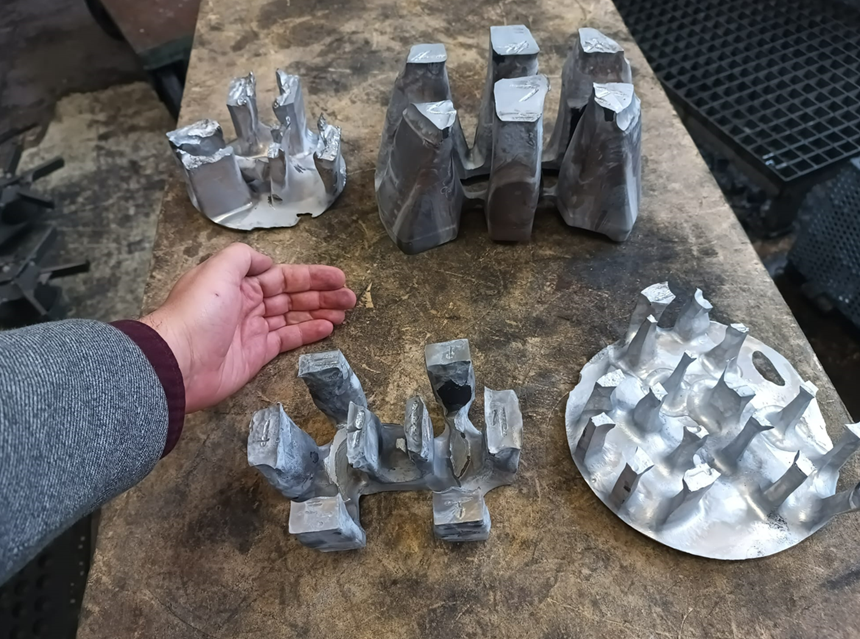
Fig 2: residual aluminium blocks extracted from extrusion dies using 25g/l of CLARIS 9346MB in the alkaline solution.

 Without CLARIS 9346MBWith CLARIS 9346MB
Lifetime of alkaline solution24h48h
Al (TOTAL) dissolved in the exhaust cleaning solution 105 g/l105 g/l
n° of treated die basket612

Pedro confirms that “The use of Claris 9346MB at Extrusal S.A. it is now a consolidated practice, and the customer declares himself fully satisfied with the benefits deriving from its introduction in the dies cleaning process. The consumption of alkaline solution has been significantly reduced and with it the disposal of used alkaline solutions. From the environmental point of view, much more aluminium can be recycled and thanks to the controlled reaction, less gas is expelled into the atmosphere. This die cleaning process reduces smells in the working area, ensuring better working conditions to the operators”.

CONCLUSION:

Claris 9346MB is an innovative additive for aluminum extrusion die cleaning, offering enhanced efficiency, cost savings, and extended bath life. It significantly improves the cleaning process, ensuring better performance and sustainability. Want to learn more? Visit our product page and contact us through our form. Follow ALIT Technologies on LinkedIn to stay updated with the latest advancements. Our commercial and technical staff are ready to assist you with any inquiries!
The CEO of ALIT Technologies will be a speaker at S.M.A.R.T. 3, the largest Italian conference on the future of finishing between innovation and sustainability.

On May 22nd 2024, ALIT Technologies’ CEO Loris Rossi will be speaking at S.M.A.R.T. 3, the third edition of the biennial conference organised by UCIF, the Italian Association affiliated with ANIMA Confindustria Meccanica and dedicated to representing manufacturers of finishing systems. The presentation will focus on the advantages and potential of the in-line paint stripping process.

We are delighted to announce that Loris Rossi, the CEO and founder of ALIT Technologies, will be among the speakers at the third edition of the S.M.A.R.T. Conference (Surface. Manufacturing. Advanced. Research. Trends), which takes place on May 22nd 2024 at the Fondazione Cariplo Conference Center in Milan.

Organized by UCIF – Unione Costruttori Impianti di Finitura, the event will feature talks by industry professionals discussing the future of finishing, with a focus on innovation and sustainability.

Loris Rossi, as CEO of a growth-oriented company, will take a presentation about the great potential of in-line paint stripping. Today, this represents an incredible opportunity to achieve high levels of automation in the coating line.

Events like S.M.A.R.T. play a crucial role in facilitating knowledge exchange and serve as valuable networking opportunities in the surface treatment and finishing sector. For this reason, ALIT Technologies is pleased to actively participate in this initiative and share its point of view on the potential evolution of this industry.

In-line chemical paint stripping of hooks and frames within the coating process

More and more coaters are choosing to paint strip the hooks and frames employed in their coating operations to avoid using them as disposable items. The standard method requires stopping production so they can be removed, replaced with new ones, and paint stripped separately. Aware of the importance of working with a continuous flow, however, ALIT Technologies has designed a plant that fulfills this task without interrupting the manufacturing cycle. FASTRIP ISP was conceived precisely to tackle the challenge of integrating the hook and frame paint stripping phase into coating lines.

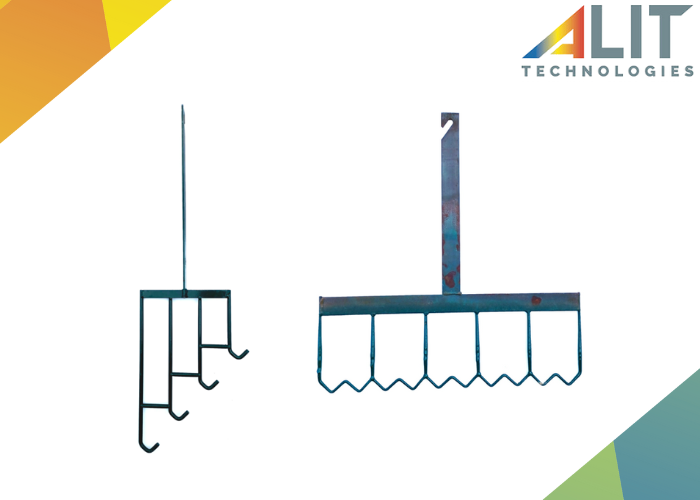
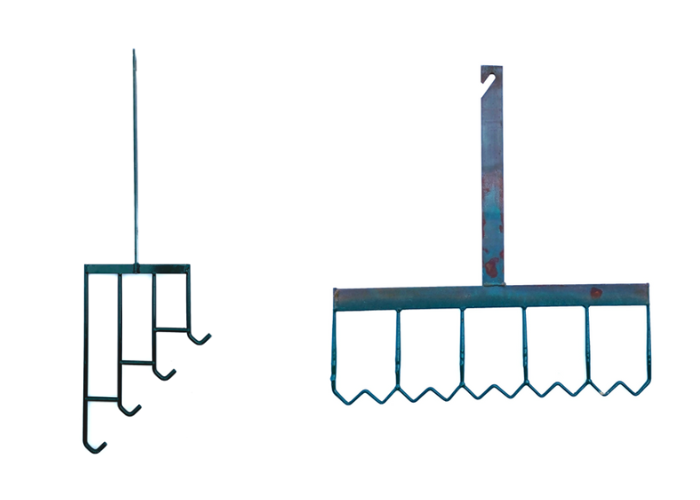
    1. Hanging frames used for industrial coating operations

As mentioned, many companies today need to remove the paint residues deposited on their coating tools, including hanging hooks, load bars and frames, through a paint stripping operation aimed at re-using them.

But why do hooks and frames need to be cleaned?

Especially when it comes to electrostatic coating, the excellent electrical conductivity of the parts is of the essence. However, this can be significantly undermined by any impurities and paint layers deposited on the hooks and frames and acting as electrical insulators. Decreased conductivity also increases overspray, thus likely affecting the coating results. Therefore, paint stripping hooks and frames allows companies to re-use these accessories countless times without incurring the cost of buying new ones while ensuring flawless finishes.

FASTRIP ISP is ALIT Technologies’ solution for perfect in-line paint stripping of hooks and frames

Recognizing the importance of this process, ALIT Technologies accepted the challenge of developing an efficient solution for paint stripping hooks and frames. With this goal in mind, it designed and built FASTRIP ISP. Thanks to its modular design, this in-line chemical paint stripping system for hooks and frames can be easily integrated into existing production lines, ensuring the continuity of the coating cycle.

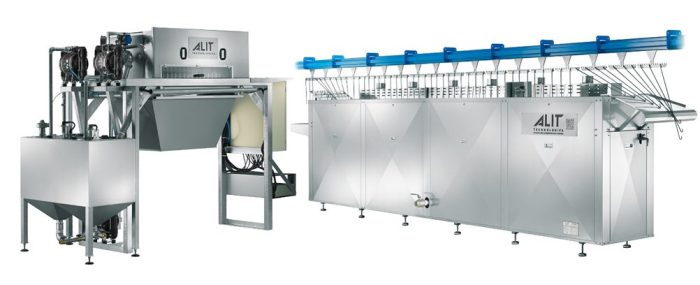
2. An example of a customized FASTRIP ISP machine for in-line paint stripping of hooks with a connected filter press

How is FASTRIP ISP made, and how does it work?

The FASTRIP ISP paint stripping system consists of two main units: the paint stripping tank and the FASTRIP FP series filtration system.

The tank is made of AISI 304 steel and contains an adjustable volume of paint stripper, which is simultaneously heated and subjected to ultrasonic waves. The combined effect of the chemical attack by the paint stripper, high temperature, and ultrasound allows removing a paint layer in as little as 3 minutes. While remaining hooked onto the overhead conveyor, the items to be paint-stripped are partially submerged into the stripping tank as they pass through. The tank’s linear length is proportional to the coating line’s speed, usually within a range of 4-8 meters. The paint stripping product is heated by electric heating plates attached externally to the tank, guaranteeing high standards of safety and ease of maintenance at the same time. The ultrasonic batteries are also externally flanged, easy to access, and highly robust. The tank is insulated to minimize heat loss and its shape optimizes sludge filtration.

The FASTRIP FP series filtration system is connected to the paint stripping tank and allows consistent removal of the coating sludge that accumulates in the bath. Sludge is continuously removed from the tank’s bottom and filtered with a filter press. The clean paint stripper can then be automatically recirculated to the paint stripping tank. The configuration options of the filter press, liquid tanks and piping are extremely varied and can be customized according to customer needs.

Adding a water rinse module to remove any paint stripping oil residues and an infrared lamp system for drying is also possible.

What are the advantages of this plant?

The benefits of using FASTRIP ISP for paint stripping hooks and frames are numerous:

  • the system enables to perform paint stripping operations without removing the hooks from the chain;
  • the process is easier to manage, as there is no need for downtime to clean the tank;
  • the labor involved in managing the hooks (i.e. cyclically removing the dirty ones and positioning the clean ones) is significantly reduced;
  • hooks and frames are always clean;
  • thanks to its modular design, the system can reach any length, as well as a hook and frame immersion depth of up to 30 cm.
  • FASTRIP ISP can be used for paint stripping any metal because it is not aggressive to surfaces, even with light alloys. Hooks and frames will always be as good as new!

The ideal chemicals for FASTRIP ISP

One of the goals of ALIT Technologies is to offer complete systems that provide all-round solutions. The market demanded a plant capable of paint stripping the hooks and frames used in coating processes – and the ALIT team met this need by designing and launching FASTRIP ISP. Of course, this type of plant also requires the use of chemical agents, so ALIT Technologies also developed a wide range of paint stripping products that guarantee optimal results when combined with the FASTRIP ISP system. These include as follows:

  • 14XX Series METALSTRIP

These paint strippers are used to fill the tank during the plant’s start-up. Usually, their use is limited to this phase.

  • 16XX Series METALSTRIP AKTIVATOR

They are used routinely to feed the paint stripping tank during regular operation. They should be added periodically to maintain optimal bath chemical parameters. The operator determines the quantities to be added through a simple chemical analysis of the bath.

  • COVER LAYER Series METALSTRIP

This non-toxic liquid forms a floating layer of about 4 cm above the paint stripper in the tank. It helps reduce heat loss and odor emissions and preserve the paint stripper from contact with air.

  • METALSTRIP 1465

This new product has improved fluidity and sludge settling capacity characteristics. One of its main features is its full compatibility with ALIT Technologies’ other paint stripper series, meaning that it can be added directly into the FASTRIP ISP tank, gradually replacing the product used previously without the need to refill the tank completely.

All these products are part of ALIT’s METALSTRIP product range, and in addition to providing excellent performance, they meet strict environmental sustainability requirements.

A case study testifying to the effectiveness of FASTRIP ISP

Background

A major company in Northern Italy producing and marketing wire mesh, fences and gates asked us to supply two complete FASTRIP ISP plants for paint stripping its hooks and frames. The paints to be removed were polyester coatings and the size of the hooks ranged from 70 cm in height to 50 cm in width.

The issue

The company had two already existing coating lines: due to space constraints and the chain’s layout, we had to design two custom plants with elevated paint stripping tanks.

Our solution

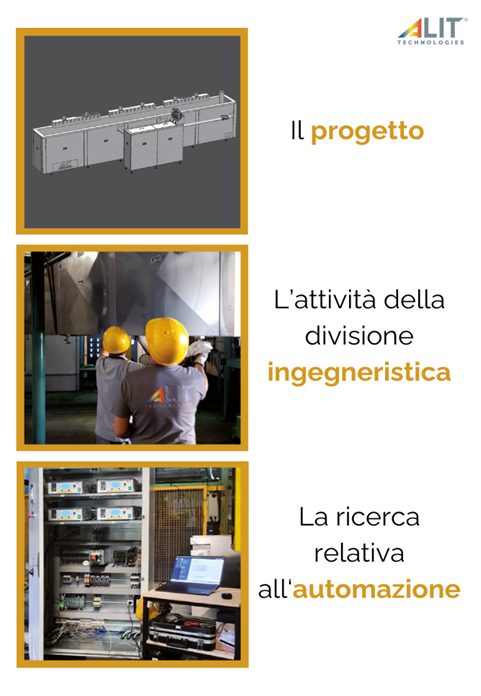
ALIT’s Engineering division conducted a detailed geometric survey of the space available and the overhead conveyor in the area of interest. It then presented the customer with a design that was gradually refined until approval. The paint stripping and filtration areas were designed to fit into the existing spaces without interfering with the adjacent coating and robotic unloading areas.

With regard to automation, it was agreed that the plant would comply with INDUSTRY 4.0 standards. The main switchboard was equipped with advanced technologies to exchange process data with the customer’s management software and allow for remote service and monitoring. The wiring and insulation materials on board the machine were selected based on ALIT’s experience in the paint stripping industry, balancing the required chemical and thermal resistance characteristics.

The company protagonist of this case study has undoubtedly obtained many benefits from its new FASTRIP ISP. In addition to radically decreased costs, opting for this plant from ALIT Technologies has enabled it to lower its environmental impact, reduce its long-term costs and increase its turnover by eliminating the need to stop the coating line.

Would you also like to implement such an innovative system for your business?

Get in touch with the ALIT team: together, we will identify the most suitable solution for your production needs!

ALIT Technologies S.p.A will attend PaintExpo 2024

ALIT Technologies is thrilled to announce its participation in PaintExpo, the main European trade fair dedicated to the world of industrial coating technologies.

ALIT Technologies, a company specialising in the manufacturing of machines and products for the chemical paint stripping of metals, will attend as an exhibitor the 2024 edition of PaintExpo, which will be held in Karlsruhe, Germany, from 9th to 12th April.

ALIT Technologies, in a spirit of continuous growth, will make PaintExpo the perfect opportunity to present many new features and some innovative projects that will leave stand visitors pleasantly surprised.

For the 2024 edition of PaintExpo and with this in mind, ALIT Technologies decided to go big by setting up the company’s largest stand ever.

The trade fair will represent an excellent opportunity to meet several stakeholders operating in the world of industrial coating as well as to exchange views and ideas on the present and future of this sector.

ALIT Technologies thus awaits you at PaintExpo, booth 2446, pavilion 2.

ALIT Technologies S.p.a presents MAS-KING, a new brand specialising in industrial masking

In an increasingly dynamic industrial world, it is essential for a company to innovate but also to renew itself to offer increasingly comprehensive services to the market. Strong on this approach, ALIT Technologies decided to expand its reach by creating MAS-KING, a new brand specialising in industrial masking based on innovation, progress and responsiveness to the demands of an increasingly demanding market.

The San Bonifacio (VR) based-company is pleased to announce the transition from dealers to owners of a new line of business operating in the field of masking for coating and other surface treatments. MAS-KING, the brand chosen for this new business, presents a range of products of the highest quality, designed with precision and made with advanced materials. The brand aims to set a new standard in industrial masking and represents the commitment signed ALIT Technologies to excellence in the protection of artifacts during all stages of surface treatment.

The new brand has a strongly international vision made possible by the ALIT Technologies’ global network of agents. To Italian customers, MAS-KING offers an innovative service based on speed of delivery, supplier-customer trust, problem-solving ability as well as on good price-quality ratio: a dedicated van, loaded with solutions for protecting parts during coating, will be available to customers directly at the workplace, thus guaranteeing immediate and customised supply.

Progress and innovation are two goals to be pursued at both strategic and operational levels for any solid and dynamic company. ALIT Technologies, excited about this new adventure into the world of surface treatments, invites all its customers to learn more about the features of the new MAS-KING masking products by contacting the customer service.

Join us to write the beginning of a new chapter in the history of masking.

Waste water: an issue in the aluminum surface treatment industry turned into a challenge for improved environmental sustainability

Most companies performing aluminum surface pre-treatment operations use products containing high levels of fluorides, which call for special water purification treatments. However, especially today, in an era marked by pollution, it is necessary to embrace more and more sustainable practices – even in the aluminum industry.

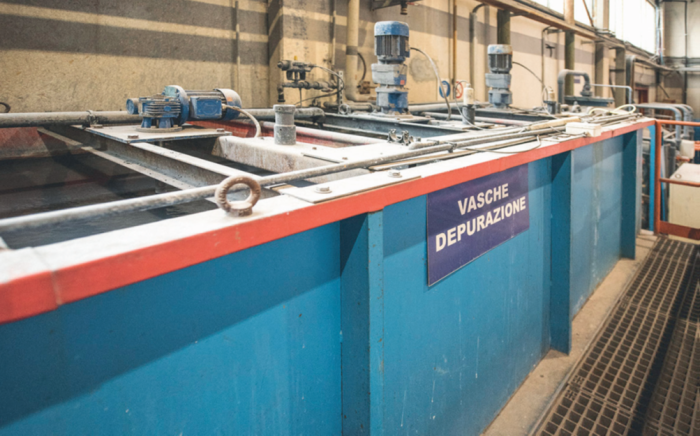
An example of a waste water purification tank

From a legislative point of view, European regulations set maximum limits for the presence of fluorides in waste water. In Italy, for example, up to 6 ppm are allowed in surface discharge water and 12 ppm in waste water discharged into the sewerage system (subject to specific regional restrictions). This is why the treatment of process water is an indispensable production step in the aluminum industry. However, the traditional purification cycle based on an acidification phase followed by neutralization with lime often fails to achieve such low fluoride concentrations, even with prolonged cycle times. Sophisticated purification systems are therefore designed for this purpose, capable of removing specific pollutants.

If one of the challenges of today’s industry is to pursue productive growth while preserving our planet, the mission of Alit Technologies is to offer advanced technologies to reduce its customers’ environmental impact, generating a synergy that can lead to significant progress and improvement.

The Fluoridite series: high-quality products for waste water purification

Implementing clear strategies is key to achieving one’s goals. This is why Alit Technologies’ experts have devised an innovation that makes it easy to comply with the limits for the presence of fluorides in waste water. Their research work resulted in the creation of the Fluoridite series, an effective solution to tackle this challenge.

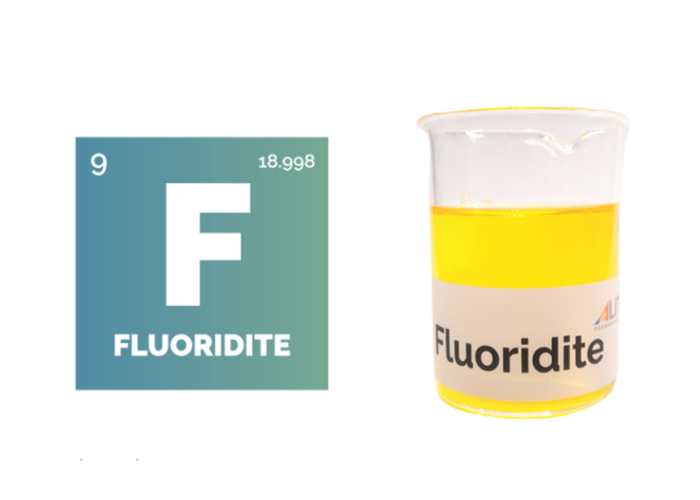
Fluoridite is a liquid product formulated to break down fluorides in waste water in the aluminum, steel, and glass industries. This agent can be added to the baths during the purification process, allowing fluorides to be removed from the treated water.

It has an exceptionally high efficiency and it can be easily used in already existing plants without the need to change their layout or waste water circulation system. After installation, it requires only a few adjustments to ensure that the discharged water’s fluoride concentration is below 2 ppm.

The effectiveness of Fluoridite in three actual industrial settings

When it comes to products intended for industrial use, it is always particularly interesting to analyze them in actual production contexts where their properties can be put to the test.

The three case studies collected below not only demonstrate the effectiveness of Fluoridite in keeping fluoride levels below regulatory limits for both sewage and surface discharge water, but also offer some examples of concrete applications that may be useful in understanding how this product works.

The initial problem

As already pointed out, the basic issue reported by companies is the need not to exceed the legal limits for the concentration of fluorides in waste water. This also results in a production issue since, in order to comply with these regulations, manufacturers can be forced to reduce the use of products containing hydrofluoric acid and its derivatives and, consequently, limit their production flow.

Success cases: contexts and solutions

The first success case we would like to present concerns a company headquartered in northern Italy, which coats about 15 tons per day of aluminum every 8-hour shift. It now uses Fluoridite for its purification process. The production line includes alkaline, acid, and non-chromic passivation pre-treatment stages and the purification plant handles 5 m3/h of cleaning water. Fluoridite’s dosage is about 800 ppm in the first tank, followed by neutralization with lime to pH 8 and flocculation. Thanks to the use of Fluoridite, the clarified water always has fluoride values below 9 ppm, i.e. below the legal limit of 12 ppm for discharge into the sewage system.

The protagonist of the second success case is another Italian company specializing in the coating of aluminum profiles and sheets, which processes around 60 tons per day in three 8-hour shifts. The company has two surface pre-treatment lines, one performing acid degreasing/deoxidation and non-chromic passivation and the other alkaline degreasing, acid deoxidation, and non-chromic passivation. The purification line collects water from both plants (6 m3/h in total). To comply with the 6 ppm limit for surface discharge water, the dosage of Fluoridite here is approximately 3500 ppm.

The third case study concerns a company located in central Italy, specializing in the coating and decoration of aluminum profiles. It processes around 50-55 tons per day in three shifts with a treatment operation involving several stages. Waste water is conveyed to a purification plant using Fluoridite. The limit for fluorides, again equal to 6 ppm, is successfully achieved through the accurate dosing of Fluoridite in the purification tank, which has reduced the fluoride concentration in the discharged water from around 30 ppm to less than 4 ppm, thus safely meeting the legal limit.

The advantages of Fluoridite

The use of Fluoridite brings several benefits, including as follows:

  • Ease of dosage;
  • Compliance with legal limits;
  • Quick supply;
  • Dedicated technical support.

In summary, Fluoridite is a clear example of Alit Technologies’ constant dedication to research and development. It is the result of this company’s commitment to offer state-of-the-art solutions for a more sustainable and compliant industrial future.

And if it is true that collaboration in the industrial sector is of paramount importance in moving towards a greener future, Alit Technologies urges all companies dealing with the presence of fluorides in waste water to contact its specialized staff to identify the best solution to their specific needs.

Together, we can do more!

ALIT Technologies looks forward to meeting you at Aluminium Two Thousand

ALIT Technologies is pleased to announce that it will participate at the 12° Worldwide Congress Aluminium Two Thousand, scheduled from 19 to 23 September 2023 at the Royal Hotel Carlton of Bologna, Italy.

ALIT Technologies will be present as speaker at Aluminium Two Thousand, the unmissable international conference on the world of aluminium, which will be held from 19 to 23 September 2023 at the Royal Hotel Carlton in Bologna.

The event consists of three days of conferences (from 19 to 21 September) with three parallel sessions dedicated to different topics including: market and analysis of the aluminum industry, foundry, casting, extrusion, anodizing and painting, automation, architecture, transport industry, environmental protection and recycling techniques, measurement, testing and quality: the great world of aluminium for an international audience. The last two days (from 22 to 23 September) will be dedicated to a series of side events, including workshops and guided tours around the city of Ravenna.

The ALIT Technologies team, during the three congress days, will hold a series of reports on different topics at the following times:

  • Wednesday 20 September from 11:30 to 12:00: “DRIZZLING: an innovative spray system for metals passivation” – Claudio Burato (Chemical Department Technical Manager).
  • Thursday 21 September from 11:00 to 11:30: “Enhancing Efficiency and Quality in Aluminum Profile Recovery: the Chemical Paint Stripping Solution” – Loris Rossi (CEO).
  • Thursday 21 September from 15:00 to 15:30: “CLARIS 9346 MB: Additive for the cleaning of aluminium extrusion dies” – Michele Merlo (Technical Sales Manager).

ALIT Technologies waits for you at Aluminium Two Thousand to present and deepen the latest discoveries, research and trends of the future.

For further information: http://www.aluminium2000.com/index.php/it/

ALIT Technologies will be closed from August 14 to August 25

ALIT’s offices will be closed from August 14 to August 25. Regular business activities will resume on Monday, August 28.

We would like to take this opportunity to wish you all happy holidays!

ALIT Technologies launches Drizzling, a new dosing and application system for the passivation of metal parts

ALIT Technologies is pleased to announce Drizzling, an innovative process for the application of chrome-free passivation products for all metals.

ALIT Technologies, a leading manufacturer of machines and products for the surface treatment of metals, is pleased to announce the launch of the dosing and application system Drizzling.

The treatment of metal surfaces ensures good durability over time and provides protection against oxidation and corrosion. There are various surface treatment processes aimed at this purpose. One of the most significant and widespread is certainly coating, which is only the last (but not least) step of a chemical process that includes several intermediate stages in which parts are degreased, pickled and passivated. It is in this last phase that the Drizzling system can make a difference.

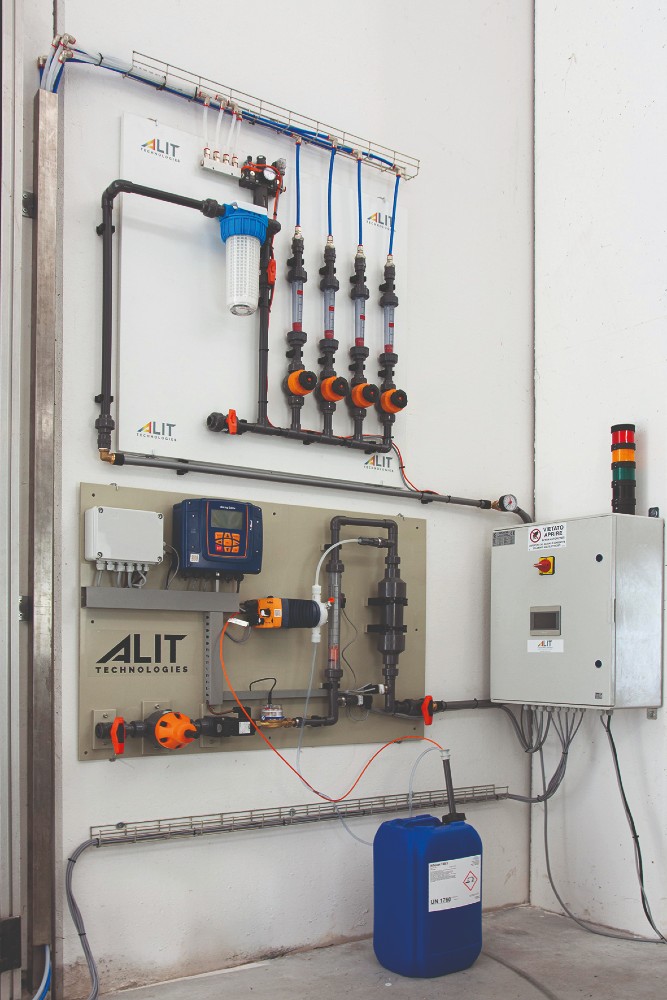
Drizzling consists of a complete dosing system capable of automatically managing the mixing of demineralized water, coming from a feed tank, with the exact quantity of passivating chemical product, thus obtaining an optimal and always fresh solution to be dispensed directly on the surface of metals. The use of special atomizing nozzles and compressed air enables the system to homogeneously produce and distribute a fine and light mist of passivating solution that completely envelops the product, even in 7-meter vertical lines for aluminium profiles.

This system is extremely compact and easy to install, and its main advantage is that it allows to apply a constantly fresh and contamination-free passivating solution to the products: a further reassurance for the customer, who can count on an improved performance of the passivating product.

Furthermore, the new dosing system developed by ALIT Technologies can be combined with chrome-free chemicals, including titanium and polymer-based ALFICOAT 748/3 from Alufinish GmbH, which guarantees excellent results in the passivation process both in terms of corrosion protection and paint adhesion.

The ALIT Technologies team previewed Drizzling at Aluminium, the leading trade show for the aluminium industry and its main fields of application, which took place from 27th to 29th September 2022 in Düsseldorf, Germany.

By your side

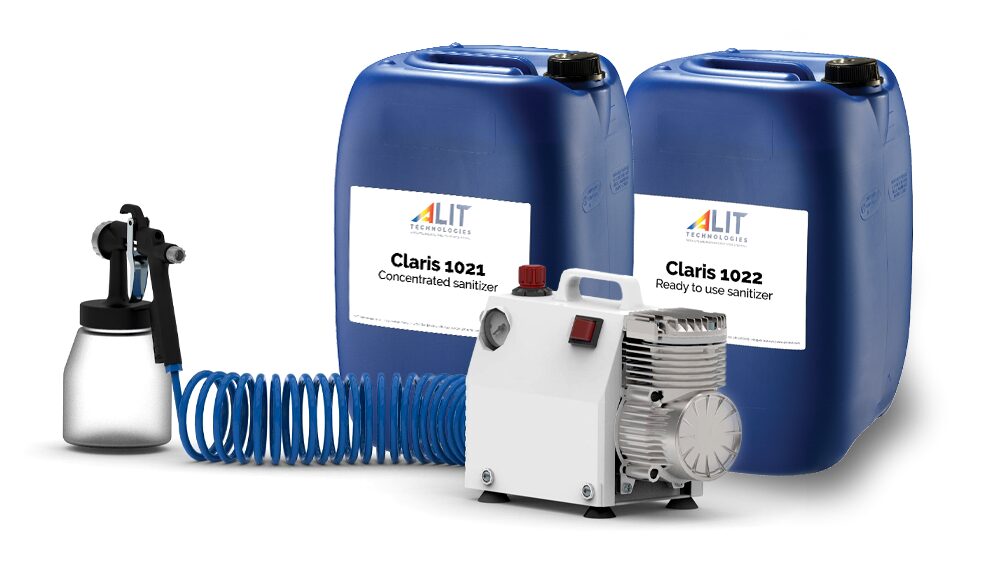
We created a new detergent to make your workspace safer.
CLARIS was born from the research of our laboratory technicians, after we listened to the concrete needs of our customers in this period. Claris is easy to apply and effective in minutes.

CLARIS 1021
Claris 1021 is a concentrated high cleaning power detergent for professional use. You can spray it to clean large surface, walls, floors or workstations. Claris 1021 must always be diluted in water before use and the solution must be left on the surfaces to be treated for at least 5 minutes. No need to rinse.
Size: 5 or 25 Kg tank / 1.000 Kg tank.

CLARIS 1022
Claris 1022 is a multipurpose high cleaning power detergent for professional use. It is recommended for cleaning furniture, desks, walls, worktops, vehicles, indoor and outdoor floors in the workplace and all washable surfaces in general. Claris 1022 is ready for use, must not be diluted and must be left on the surfaces to be treated for at least 5 minutes.
Size: 5 or 25 Kg tank / 1.000 Kg tank.

In combination ALIT offers the Claris-Air compressor for nebulization. White, with universal tap, schuko plug, complete with 5 mt spiral and vaporizer gun.

GLOBAL INNOVATION DISCOVER WHERE WE ARE

ALIT TECHNOLOGIES SpA - Via Cavalieri d'Italia, 7 - 37047 SAN BONIFACIO (VR) ITALY - VAT IT03341620247 | Company Details - Privacy Policy - Cookie Policy - Credits