
Alit Technologies
CONTACT US

Case Study FASTRIP T6: 900 kg/day of stripped frames and hooks 

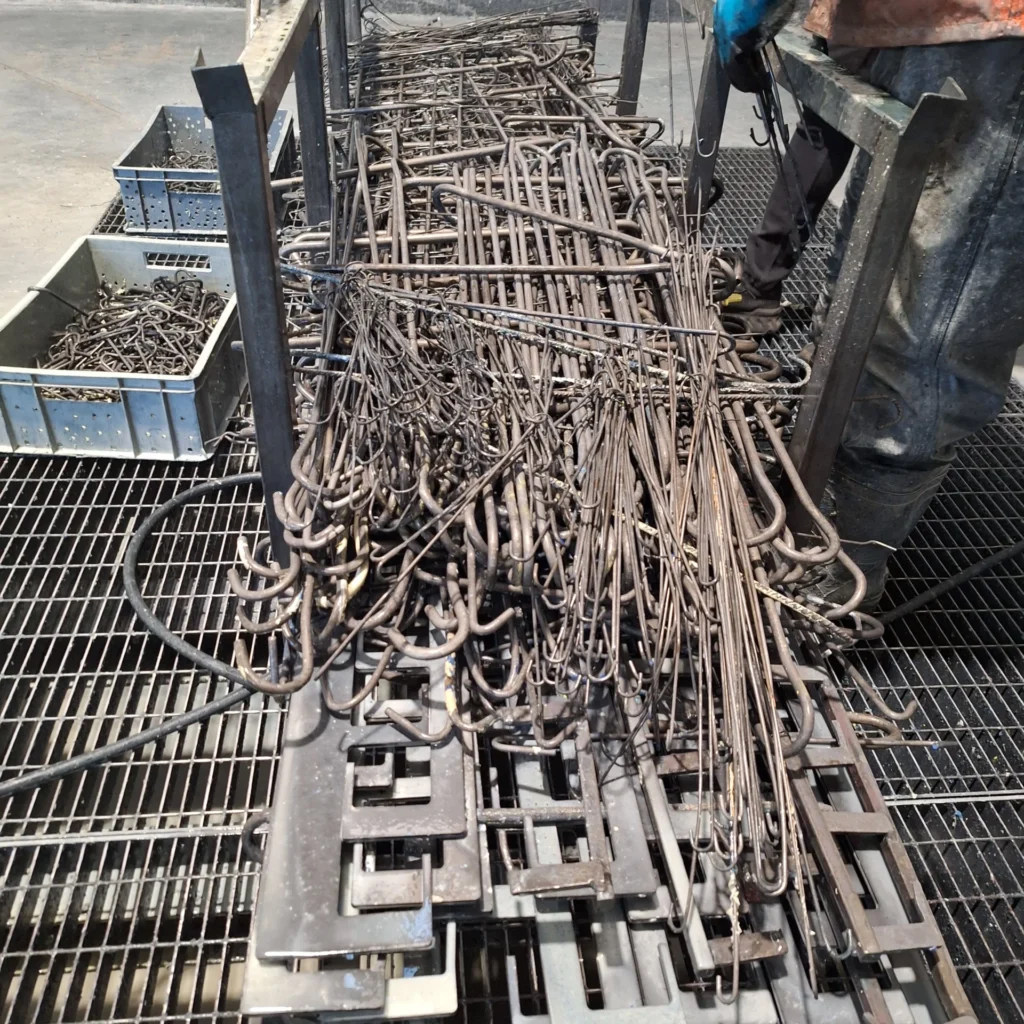
In industrial powder coating processes, paint stripping is often considered a secondary operation, until production continuity starts depending directly on it. For companies managing hooks, frames and coating supports on a daily basis, keeping these components perfectly clean and immediately reusable is essential to ensure coating quality, reduce powder consumption and maintain operational continuity.

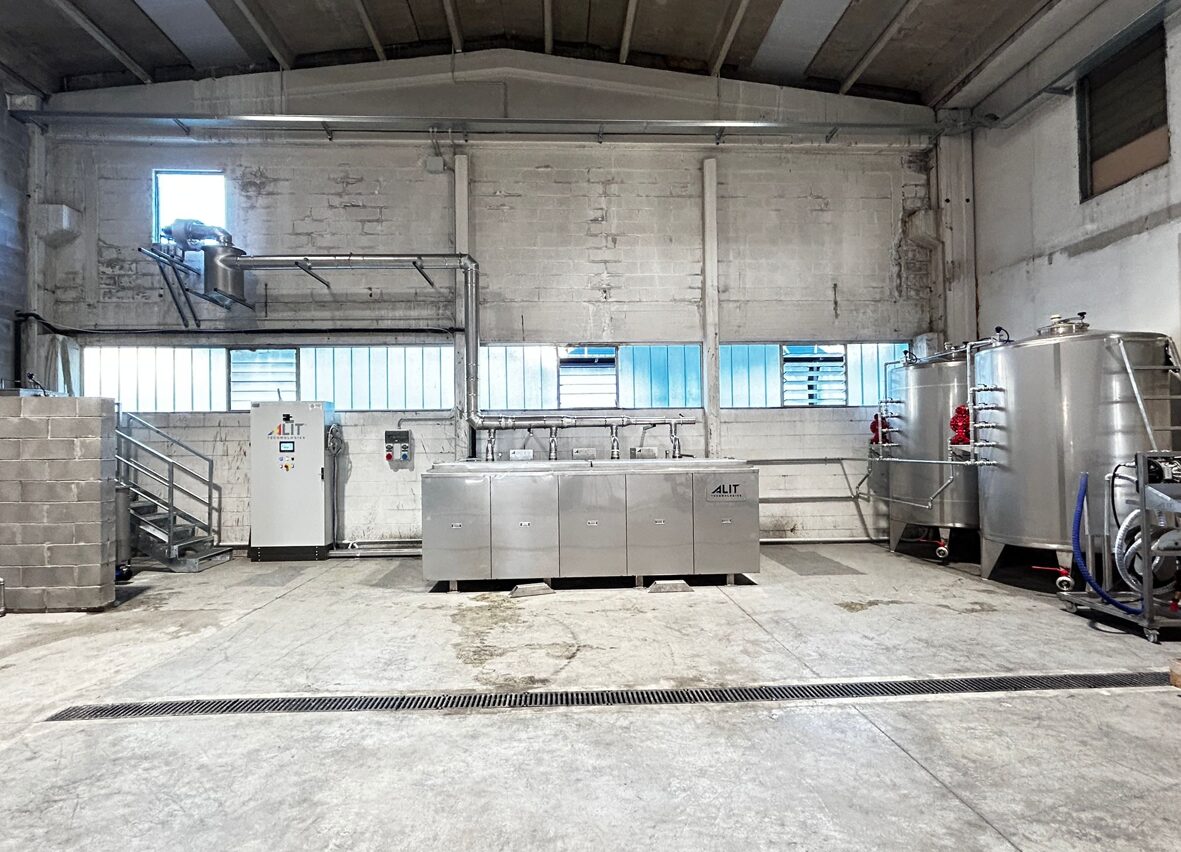
This is exactly the scenario faced by a major Northern Italian job coater operating three powder coating lines dedicated to metal components of various sizes, including large structures. Six months after installation, FASTRIP T6 has become an integral part of the company’s production process, continuing to operate daily in the stripping of medium-large hooks, frames and supports. The result is a stable and continuous process capable of handling approximately 900 kg/day of stripped metal frames and supports, with an estimated productivity potential exceeding 1000 kg/day.

The challenge: handling large frames and supports
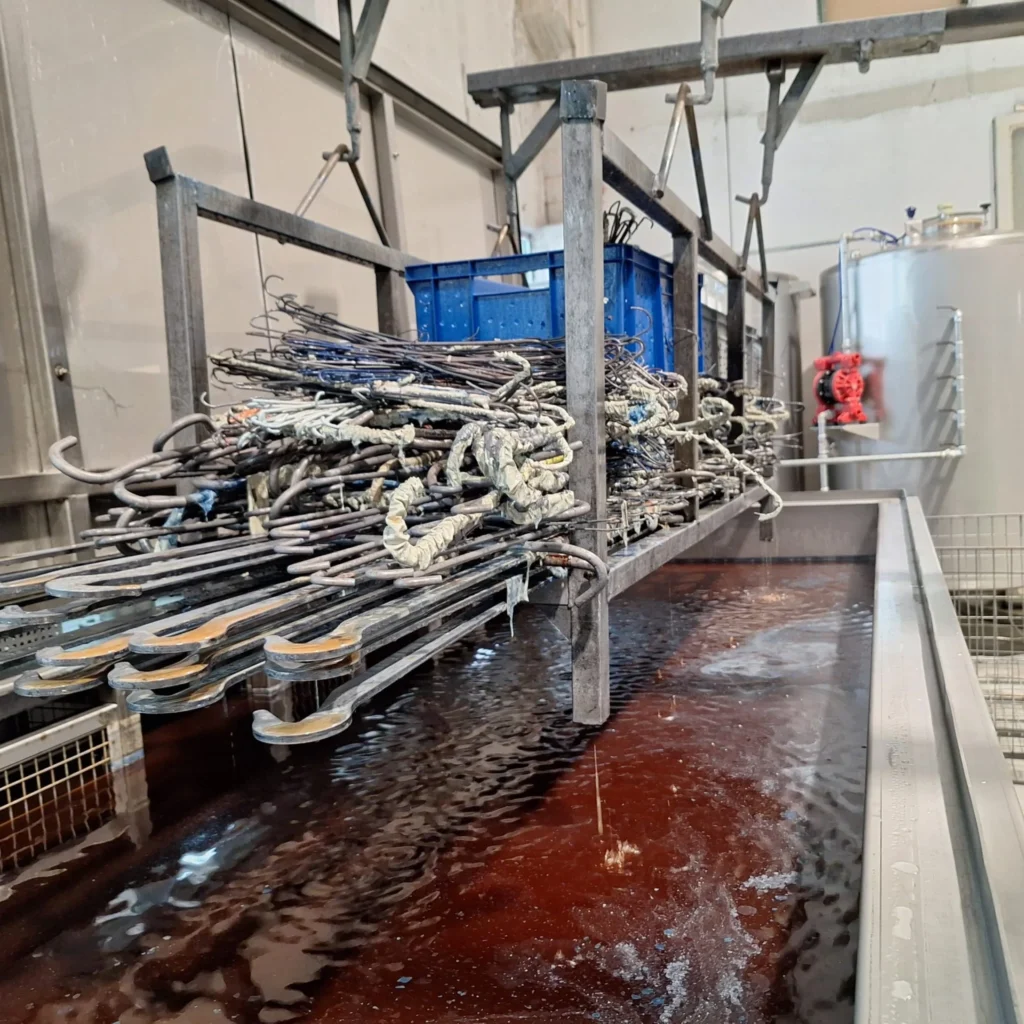
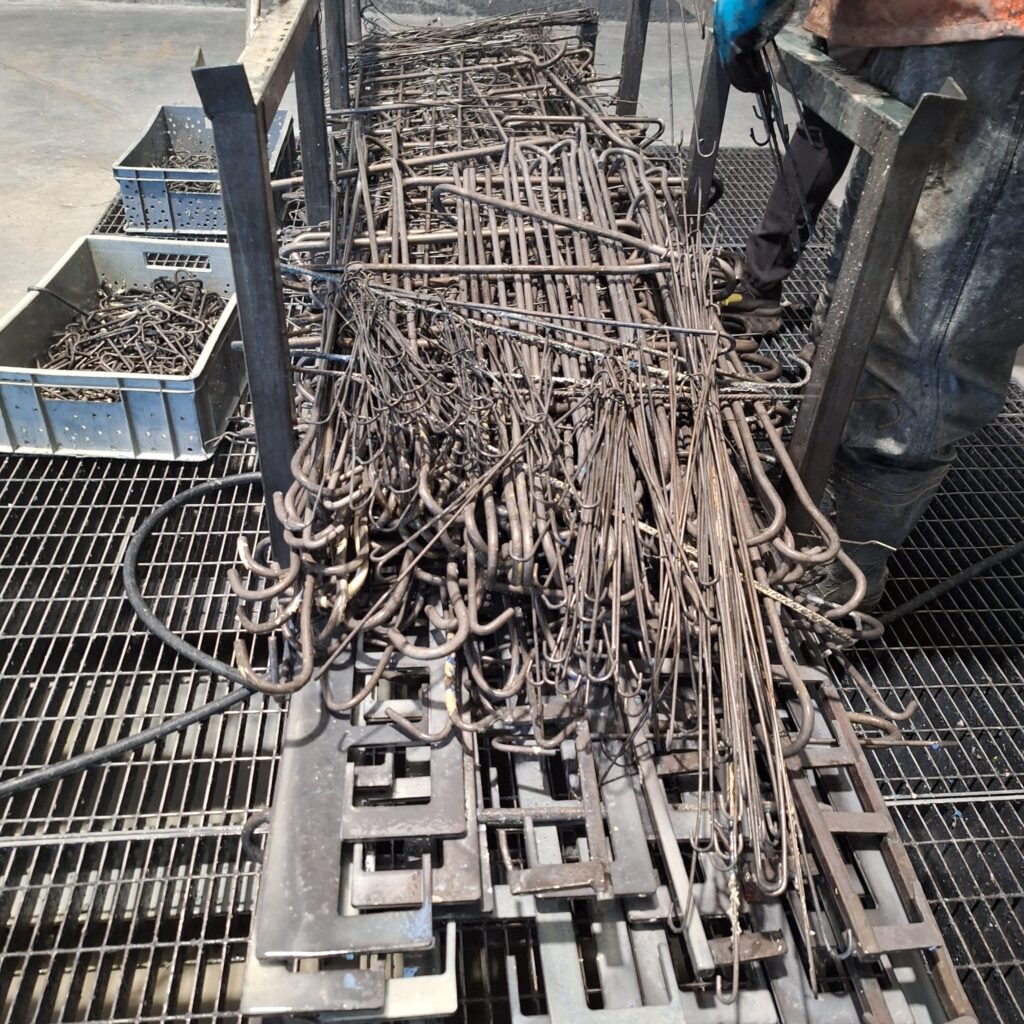
In high-productivity coating plants, hooks and frames progressively accumulate paint layer after layer. Over time, coating thickness compromises electrical conductivity, coating quality and overall process efficiency. The consequences are well known: uneven coating application, increased paint consumption, higher defect rates, production slowdowns, premature replacement of supports. As component dimensions increase, the challenge becomes even more critical. Medium-large frames and structures are significantly more difficult to manage using traditional stripping systems, especially where continuous daily operation is required. For this reason, the customer needed a solution capable of processing large supports while maintaining stable process conditions over time.

The installed solution: FASTRIP T6-300
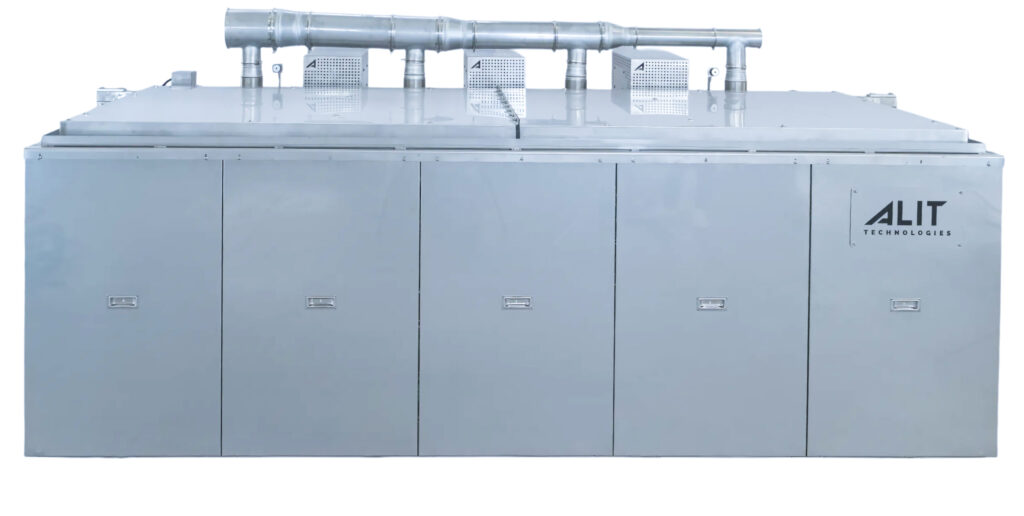
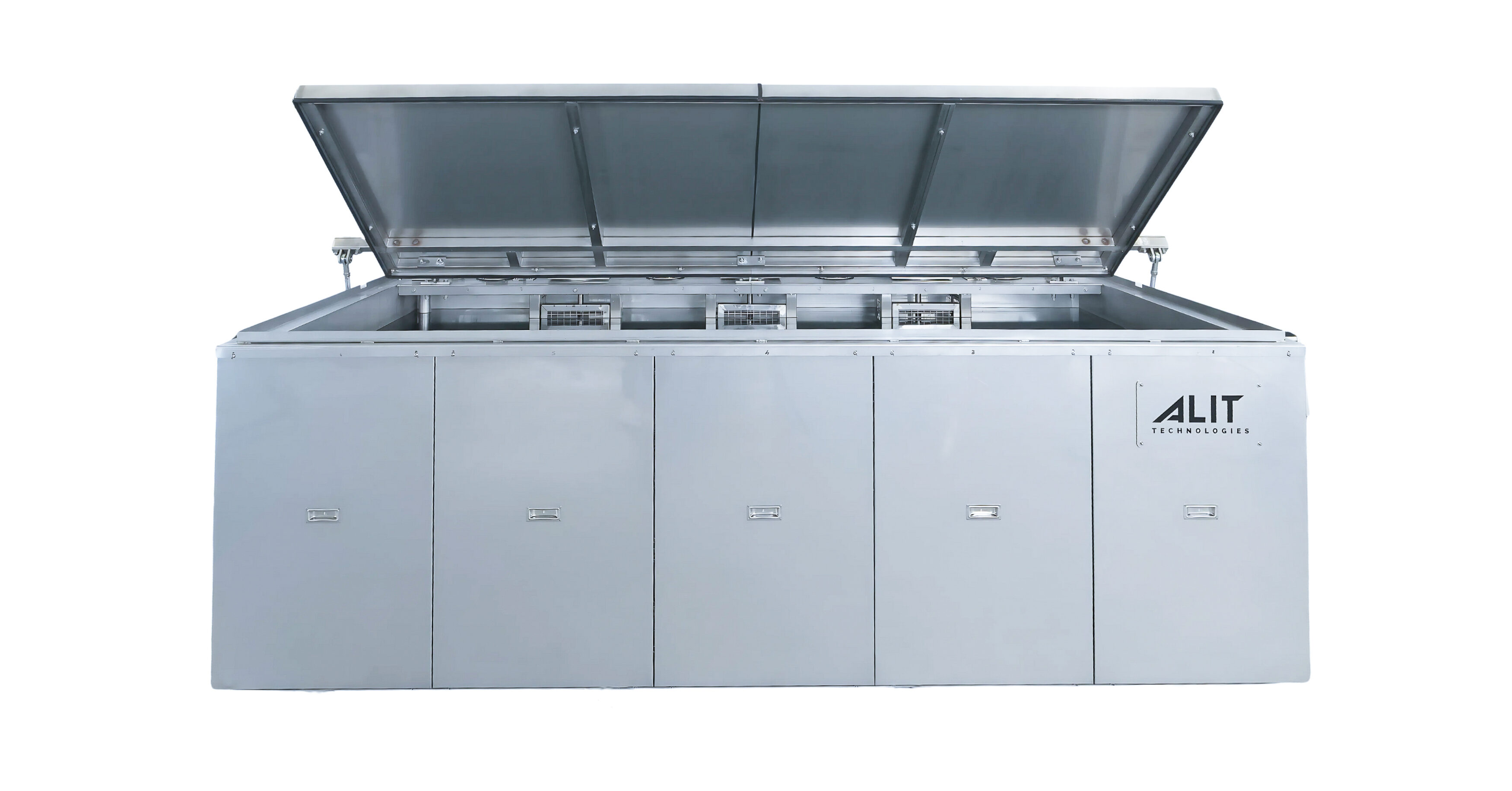
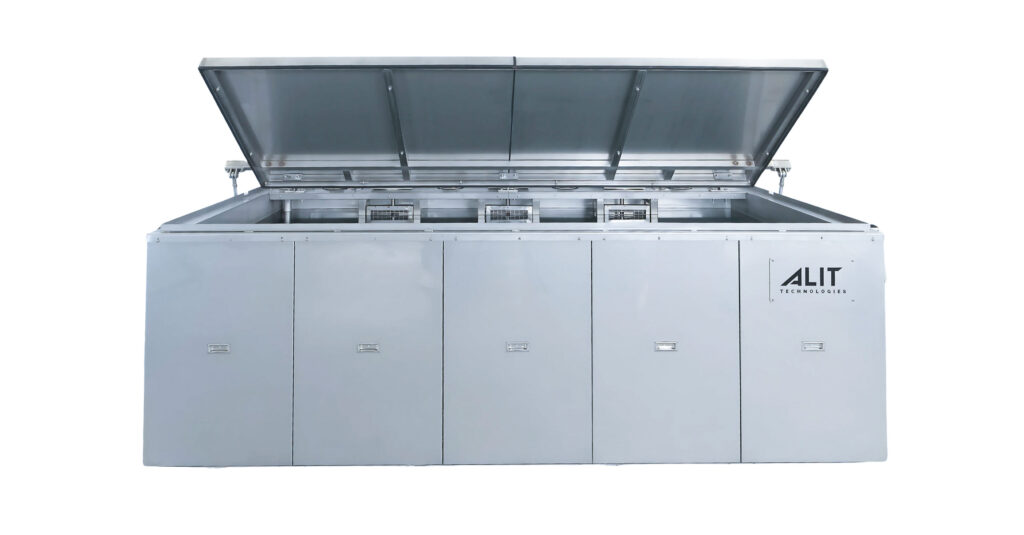
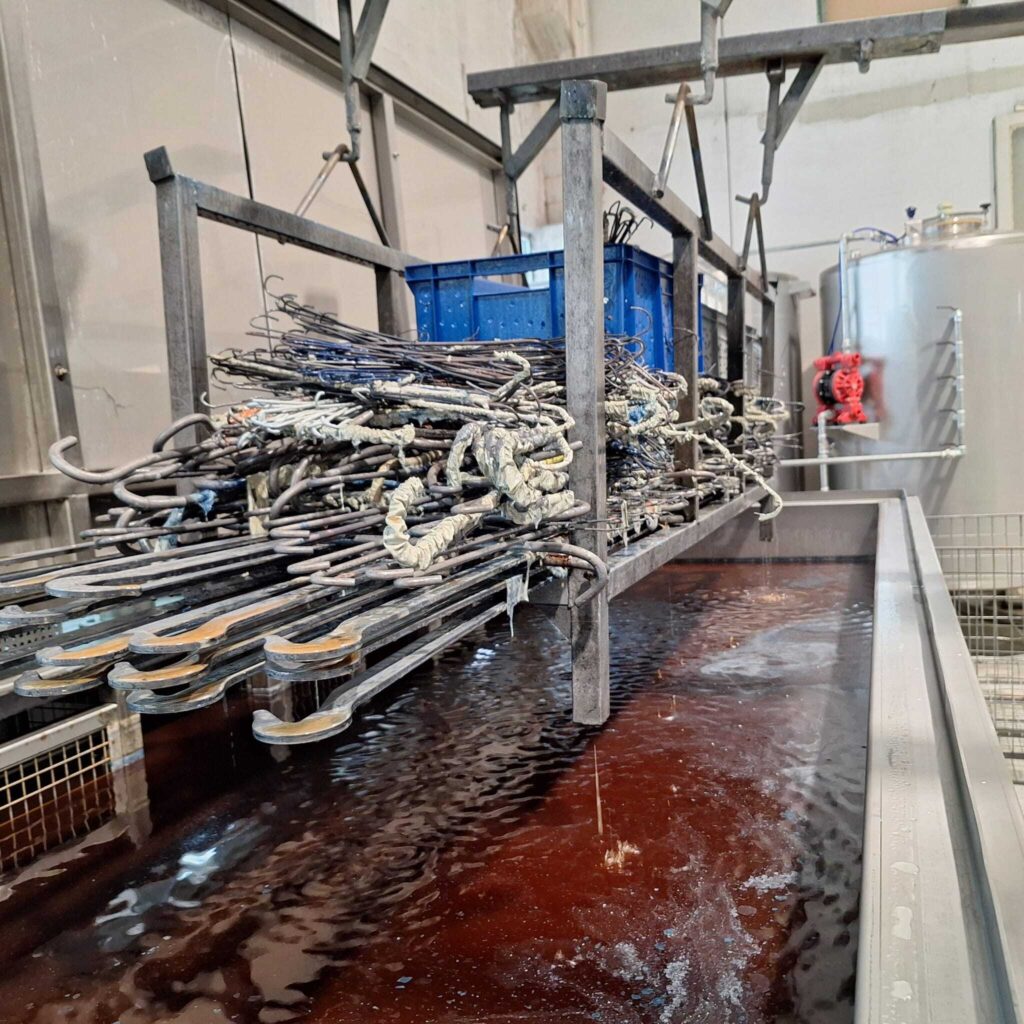
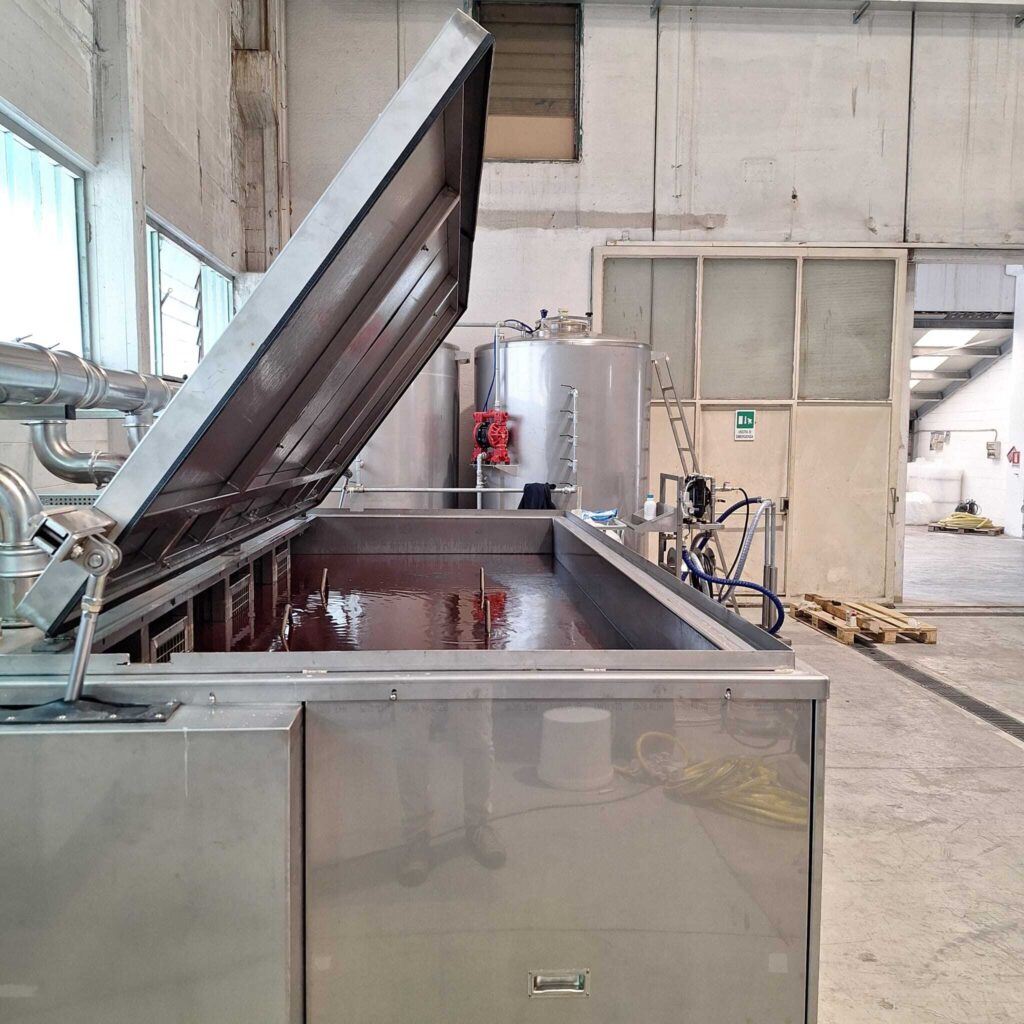
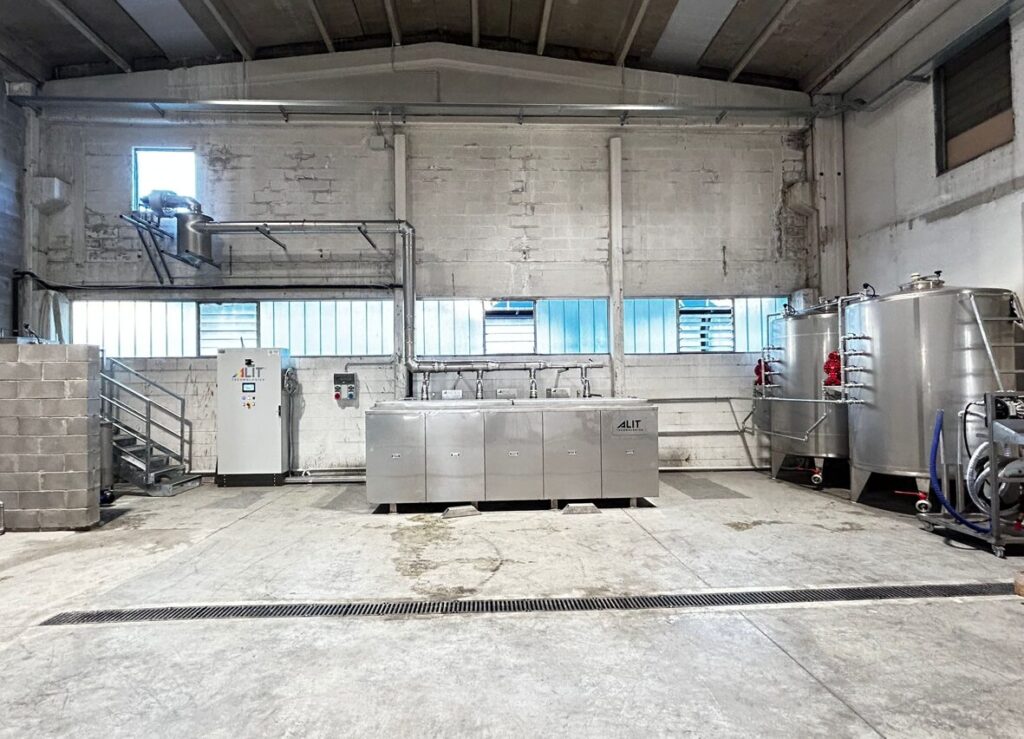
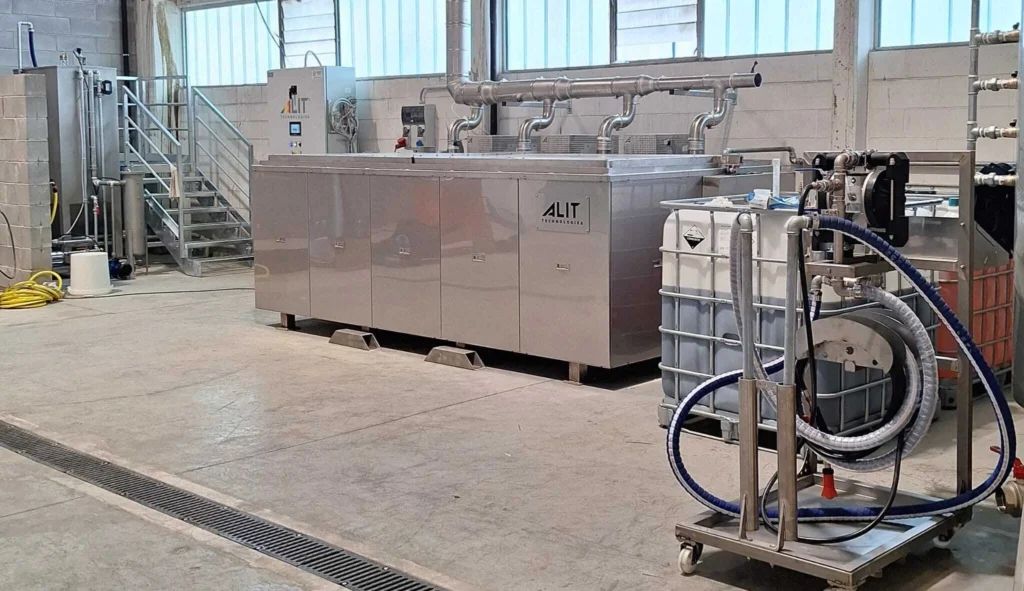
To address these requirements, the company installed a FASTRIP T6-300 immersion stripping tank combined with ALIT METALSTRIP 2801 stripping technology. The system was specifically configured for the treatment of medium-large metal components through a controlled immersion process based on the combination of three elements: chemical action, controlled temperature, continuous mechanical agitation. The tank operates at temperatures ranging from 50°C to 70°C and uses three heavy-duty vertical mixers to keep the solution continuously moving throughout the process. Continuous agitation accelerates stripping performance and helps maintain bath uniformity, even when processing complex coatings or heavily layered supports. The process progressively dissolves, softens or detaches the paint layer from the metal substrate, preparing the components for the rinsing stage.

Operational workflow: immersion and immediate reuse
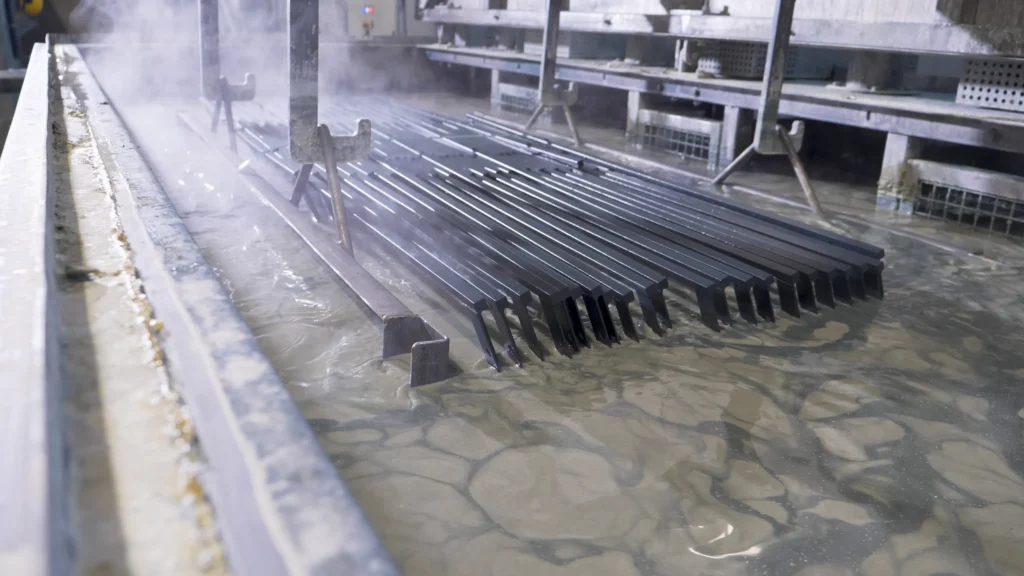
The workflow implemented at the customer’s facility was designed to ensure simplicity and industrial continuity. Hooks, frames and supports are loaded into dedicated baskets and immersed directly into the FASTRIP T6 working solution. Depending on coating type, thickness and operating temperature, treatment times generally range from one to five hours. At the end of the immersion cycle, the baskets are extracted using a lifting system and transferred to a dedicated rinsing area, where operators perform high-pressure rinsing to remove stripping residues and detached paint. At the end of the process, the components are immediately reusable inside the coating lines. This continuous cycle allows the company to maintain a constant availability of clean hooks and frames without interrupting production activities.

Real productivity data

One of the most significant aspects of this installation is that the productivity data comes directly from a real industrial plant operating daily under production conditions.

The current configuration allows processing of:

  • 3 baskets per day
  • approximately 300 kg per basket
  • approximately 900 kg/day of stripped hooks, frames and supports

Based on the installed operational configuration, the estimated productivity potential of the FASTRIP T6-300 exceeds 1000 kg/day of stripped metal structures. Another important aspect is that the system is not yet operating at its full production capacity, leaving room for future output increases.

Thermal stability and energy efficiency

One of the distinctive engineering features of FASTRIP T6 is its thermal management system. The tank uses flat electric heating elements installed externally on the tank walls. This configuration improves operational safety by avoiding the direct immersion of high-temperature electrical components inside the chemical solution. At the same time, the absence of internal heating elements keeps the tank walls perfectly smooth, simplifying cleaning and maintenance operations. Thermal insulation is provided by a 50 mm insulating layer applied to all tank surfaces, including the bottom and pneumatic lid. The effectiveness of this insulation becomes evident during daily operation: when heating is switched off overnight with the bath at approximately 70°C, the solution still maintains a temperature of around 55°C after 12 hours. This limited thermal drop directly contributes to: improved energy efficiency, greater process stability, reduced restart times, more controlled operating conditions.

Vapour management and operational safety
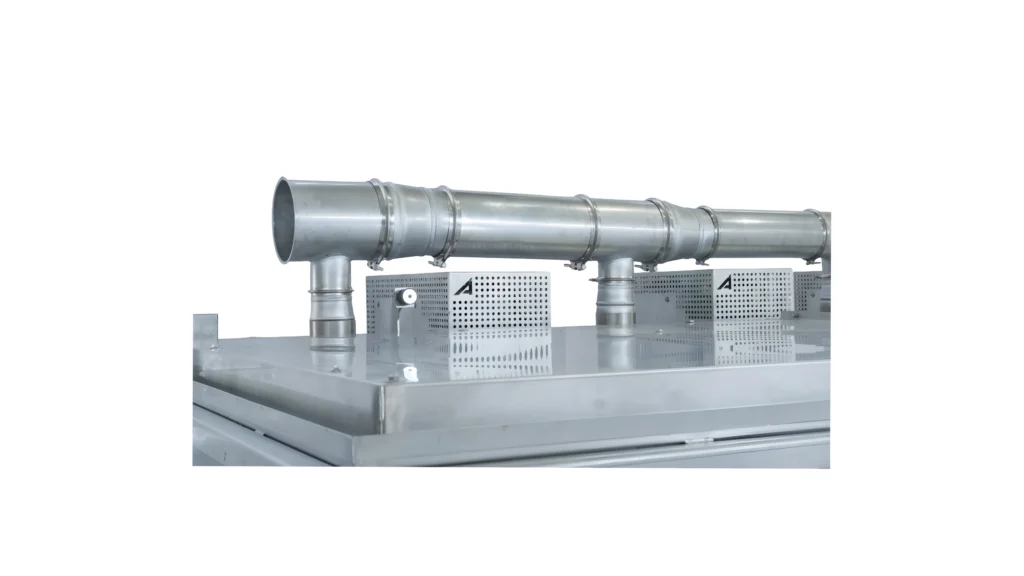
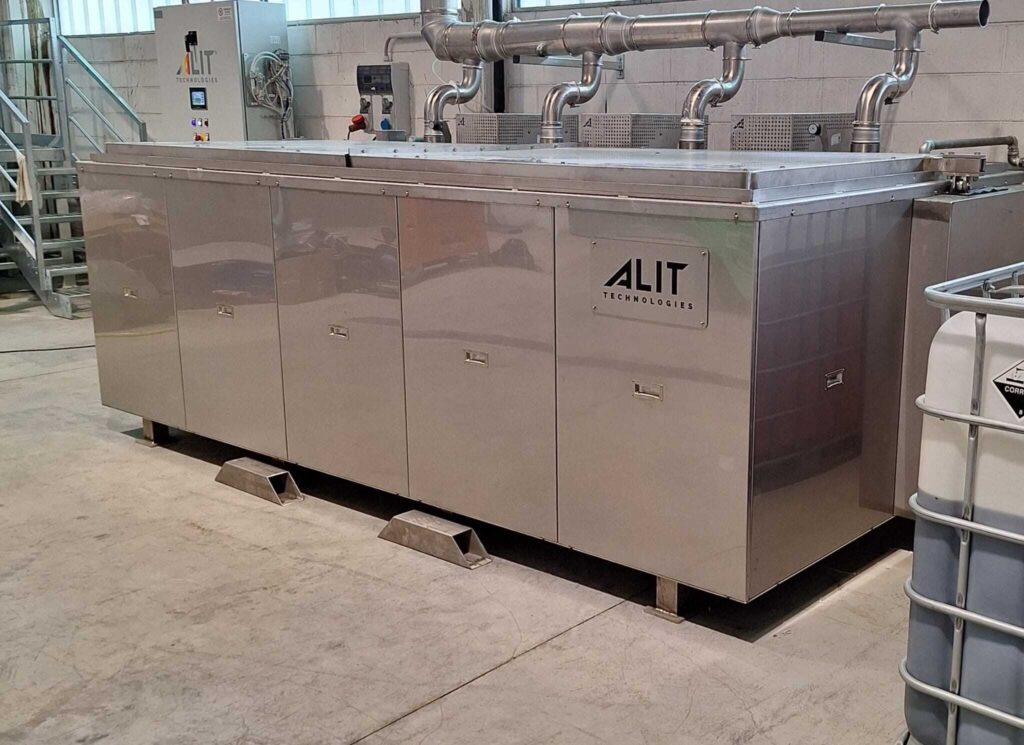
The FASTRIP T6 installation also integrates a dedicated process vapour extraction system designed to improve safety and working conditions. The pneumatic lid is equipped with gaskets compatible with ALIT chemical products, minimizing vapour dispersion during operation. Before the lid is opened, the extraction system is automatically activated to evacuate vapours through a dedicated extraction collar connected to a stainless steel centrifugal fan. The system also includes a condensate separator designed to intercept and collect any condensed liquids generated inside the piping. This approach enables safer process management and improved control of the working environment.

Beyond the tank: a complete process ecosystem
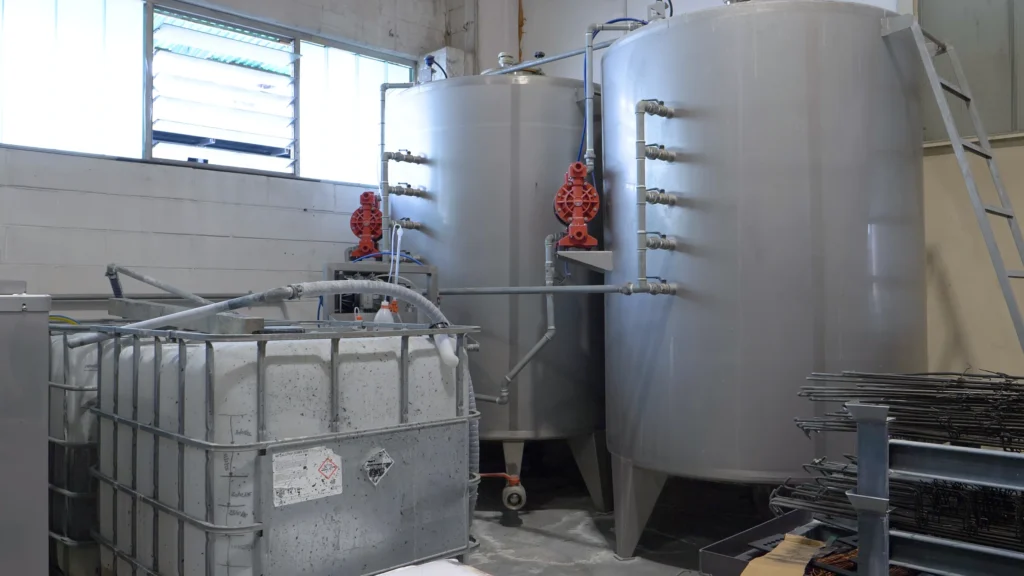
The installation goes beyond the stripping tank itself and integrates several systems developed to optimize overall process management. Installed solutions include:

  • automated liquid storage silos
  • multifunction pneumatic systems
  • water filtration and recovery systems
  • process automation and monitoring

Particularly relevant is the filtration and water reuse system connected to the rinsing area.
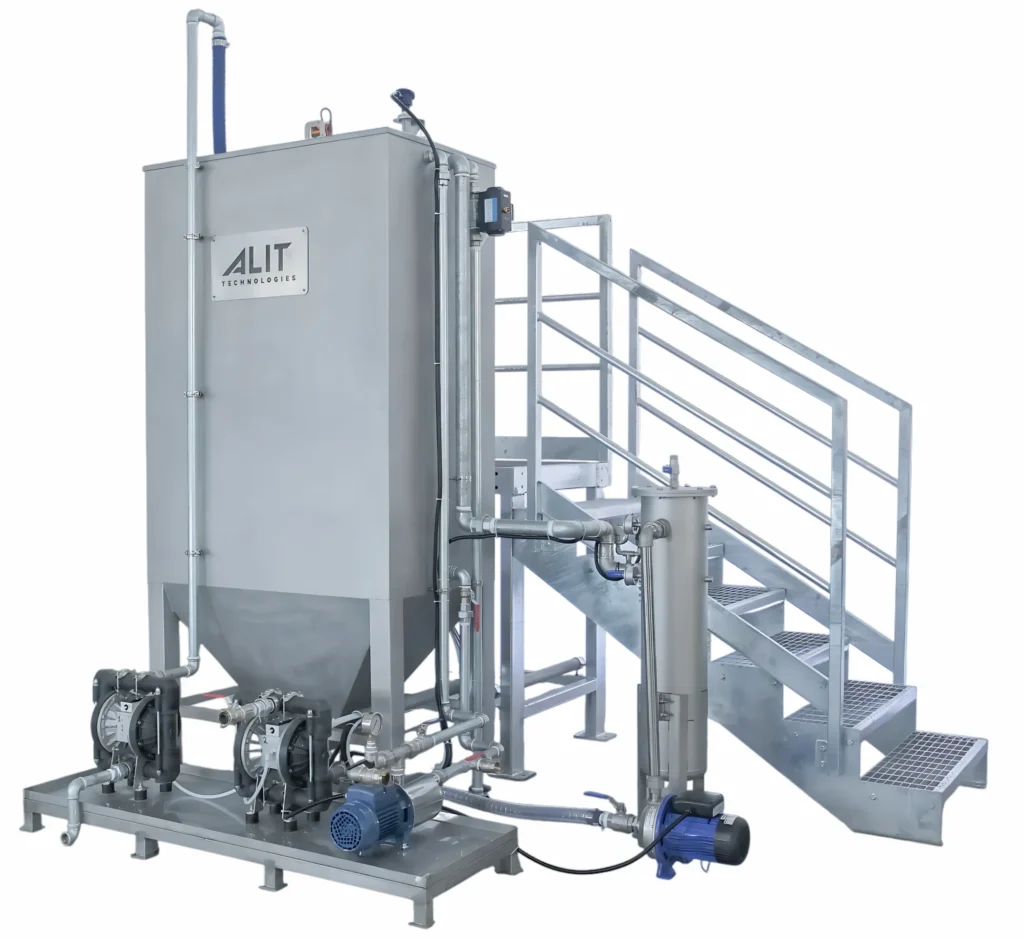
Contaminated water is automatically collected, mechanically filtered and reused during the initial rinsing stages, contributing to lower overall water consumption while maintaining high operational efficiency. Similarly, the automated silos allow sedimentation and recovery operations for clarified liquids, contributing to reduced overall stripping chemical consumption.

A process designed for continuity

After six months of continuous industrial operation, the FASTRIP T6 installation confirms a principle that is becoming increasingly important for modern coating plants: paint stripping is no longer a marginal production phase.

When properly engineered, immersion paint stripping becomes an integrated process capable of improving coating quality, extending tooling lifespan and ensuring operational continuity. In this specific application, FASTRIP T6 demonstrated its ability to handle medium-large components under real production conditions while maintaining stable performance day after day. More than a simple stripping tank, the system operates as a complete industrial ecosystem designed to deliver control, efficiency and operational continuity on an industrial scale.
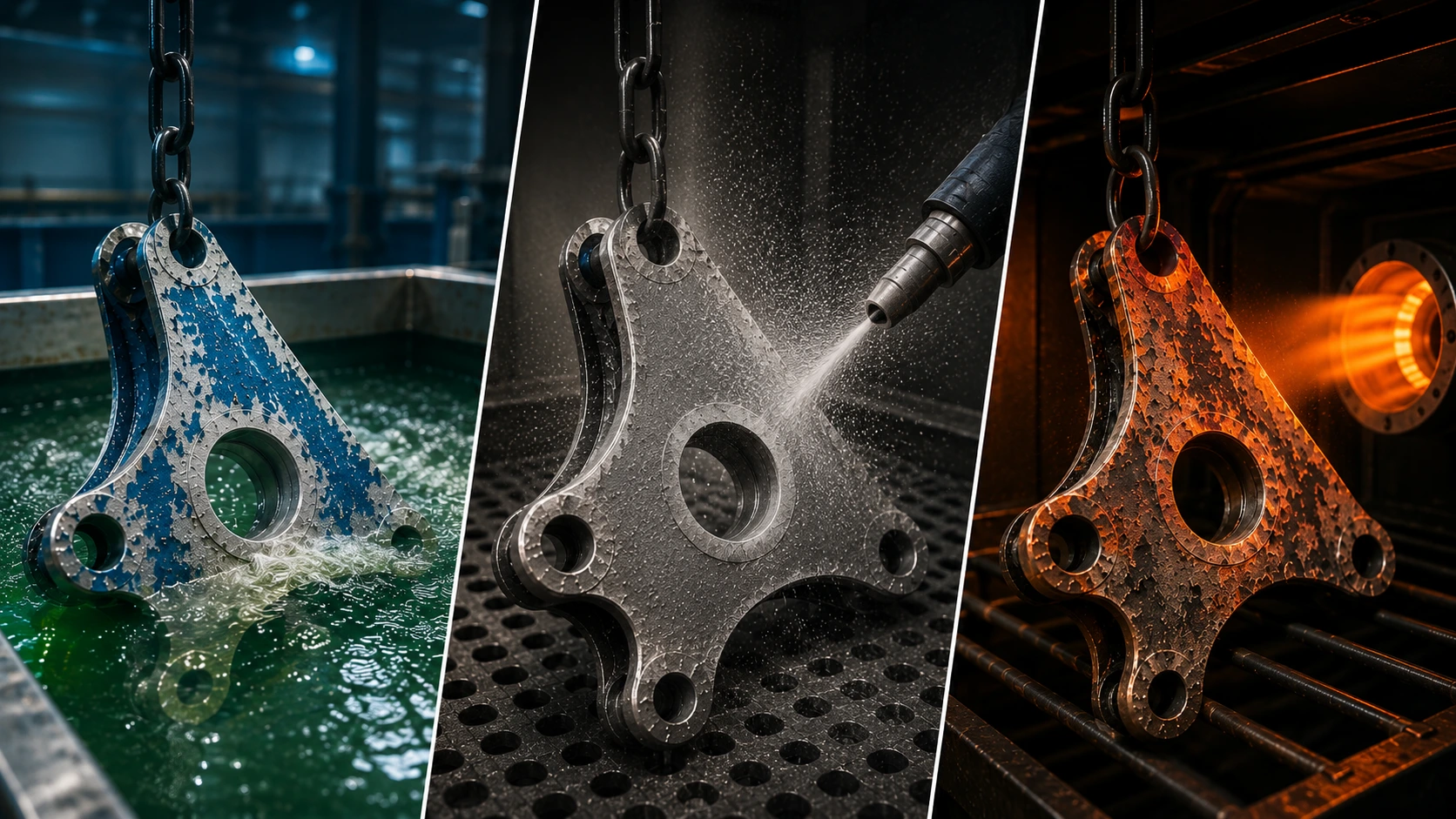
 

Industrial Paint Stripping: Comparing Methods to Choose the Most Effective Approach

Industrial paint stripping from metal surfaces is a critical step in manufacturing processes. It’s not just about removing a coating, it’s about preserving the substrate, maintaining high quality standards, and ensuring operational continuity. 

In the following sections, we break down the main industrial paint stripping methods, comparing how they work, where they perform best, and where they fall short. The goal is not to define a universally better solution, but to highlight the differences that directly impact surface quality, process control, and production efficiency. 

Thermal Stripping: Throughput and Durability

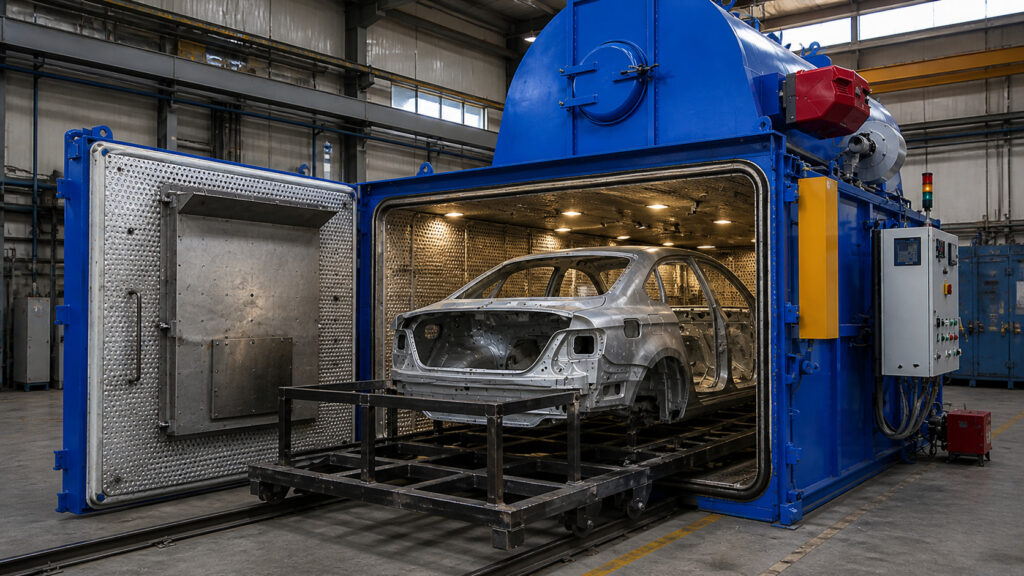
Thermal stripping relies on high temperatures to break down coatings. It’s an effective option when the priority is processing large volumes or removing highly resistant coatings, such as those found on hooks and steel structures used in production lines. The key factor to consider is that heat affects the entire component. This may not be an issue for robust materials, but it becomes critical when dealing with more sensitive alloys or tight tolerances. In short, it’s a technology built for throughput, but with less control over fine details.

Mechanical Stripping: Speed with Limited Precision

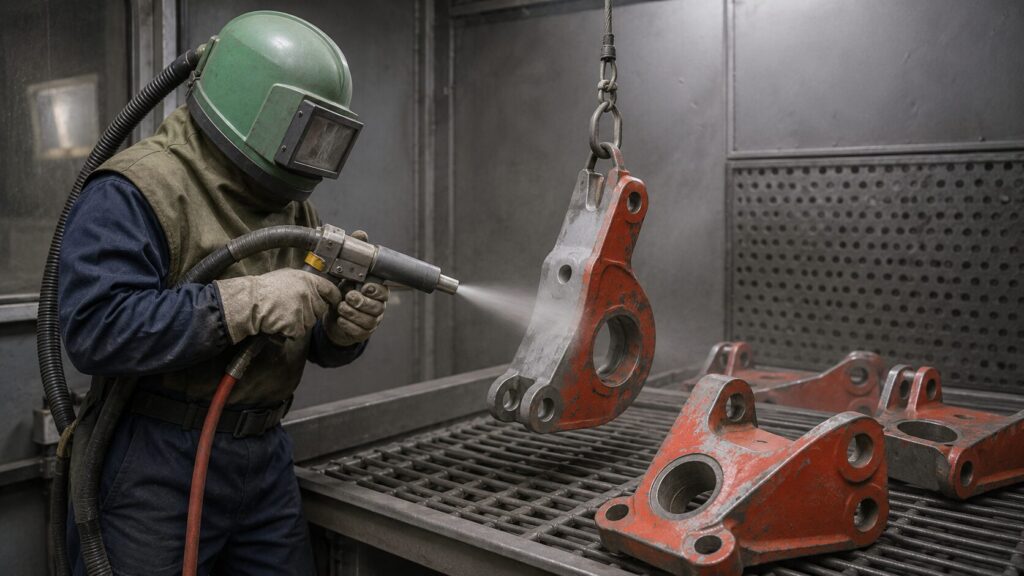
Mechanical stripping, including sandblasting or shot blasting, removes paint through physical abrasion. It’s fast, direct, and often used when operational speed is more important than surface finish. It performs well on simple geometries and durable materials. However, as complexity increases, so do the limitations. The abrasive action can alter the surface, making it less suitable for precision components or more delicate materials. It’s an effective solution in specific scenarios, but not the most versatile.

Advanced Technologies: High Precision, Niche Applications

Solutions such as laser stripping, cryogenic processes, or fluidized bed systems represent a more advanced evolution of the industry. They offer high levels of precision and control, but are typically used in very specific applications where volume or cost is secondary to result quality. These are not replacement technologies, but complementary ones.

Chemical Stripping: Balancing Performance and Material Integrity

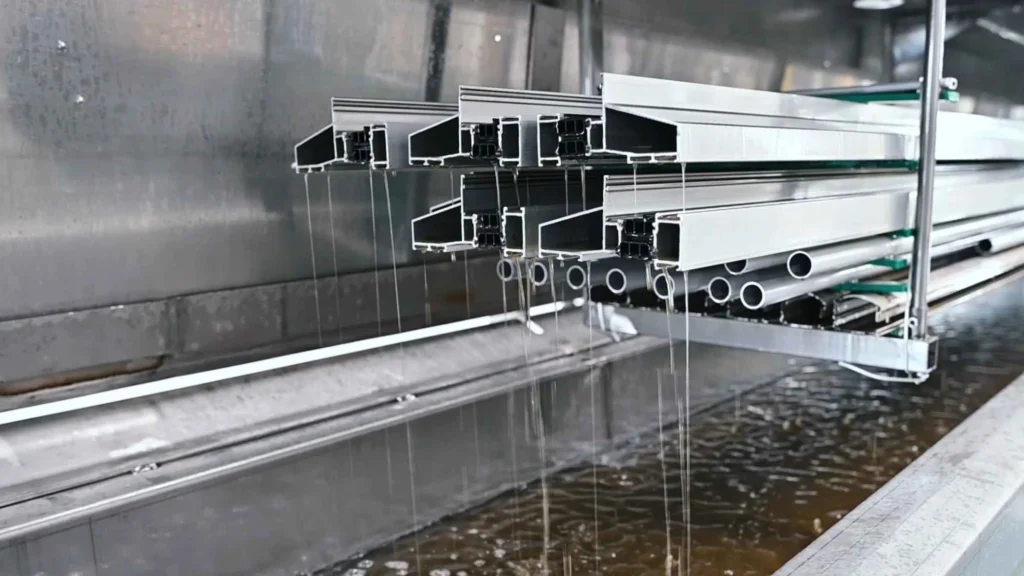
Industrial chemical stripping is based on a controlled principle: dissolving the coating without affecting the underlying substrate. This makes it particularly suitable for removing paint from metals such as aluminum, steel, and light alloys, especially when dealing with complex components or intricate geometries. The main advantage is not just cleanliness, but the quality of the final surface. With no abrasion or thermal stress involved, the metal retains its original properties. That doesn’t mean it’s the simplest option. It requires precise process management, parameter control, and the right chemical formulation. But when these elements are properly handled, the level of precision is difficult to match with other technologies.

The Real Comparison: Where the Differences Lie

Comparing metal stripping techniques isn’t about ranking them. What really changes is the impact on the overall production process. Some methods prioritize speed, others ease of operation. Others aim for a broader balance between surface quality, material preservation, and process repeatability. And in many industrial environments, that balance is what makes the difference over time.

A Decision Beyond Technology

Choosing a stripping method should never happen in isolation. Metal type, coating characteristics, component geometry, and production goals all directly affect the outcome. But there’s another often overlooked factor: process stability over time. Not all technologies provide the same level of control and consistency. And at scale, that difference becomes tangible.

Conclusion

Talking about the “best” stripping method is misleading. It’s more accurate to talk about the most suitable one. Each technology has its place. Some are built for speed, others for simplicity, others for precision. The real differentiator is the level of control you need over the final result. And in most industrial contexts, that control is what ultimately defines quality, efficiency, and production continuity.

Industrial paint stripping for medium-large components: ALIT launches the new FASTRIP T6 immersion tank 

In industrial coating processes, paint stripping is often considered a necessary but secondary step. Until it becomes a problem. When production volumes increase, coatings become more resistant, and operations cannot afford slowdowns, this phase stops being marginal and becomes critical. Not so much for the ability to remove paint, but for the difficulty of keeping the process stable over time.

FASTRIP T6 was developed precisely in response to this scenario: the new ALIT solution for immersion paint stripping of medium-large components.

How does it work?

Immersion technology is well established, but in daily operations it comes with variables that directly impact costs and production continuity: uneven temperature, bath degradation, and inefficient rinsing management. FASTRIP T6 addresses these aspects through a targeted design. The integrated wall heating system, full insulation and vertical mixers work together to keep the bath active and uniform, even when dealing with complex coatings such as epoxy-based paints.

Structure, size and configuration

FASTRIP T6 is designed to handle medium-large components, with configurations ranging from approximately 2400 up to over 5500 liters, and usable lengths up to 3500 mm. This allows the processing of large parts without the need to split loads or adapt the process. From a construction standpoint, the machine is built in AISI 304 stainless steel, ensuring chemical resistance and long-term durability even under continuous operation. Full insulation on all sides contributes not only to energy efficiency, but also to bath stability, reducing heat loss and maintaining consistent working conditions. The integrated electric heating system, combined with vertical mixers, allows operation up to 80°C while ensuring uniform treatment across the entire load. Additional technical features include a guided microwave level sensor, pneumatic lid, and a design that facilitates easy access and maintenance.

First feedback

Initial industrial applications confirm this approach. A FASTRIP T6 unit has been installed in a real production environment in Northern Italy, within a company specialized in industrial coating services. After several months of operation, feedback has been highly positive: the process remains stable over time, cycles are effective even on difficult-to-remove coatings, and chemical consumption remains consistent with the workload. The system has been smoothly integrated into the production flow, with simple operation for operators and easy maintenance access. In environments where equipment must be continuously available, this translates into fewer interruptions and improved operational continuity.

And what about costs?

The key point is not only technical, but also economic. When comparing different stripping technologies, the difference lies in energy, chemicals, water consumption and operational time. FASTRIP T6 is designed to act on these variables in a practical way. Insulation reduces heat loss, bath management extends chemical life, and cycle organization allows optimization of rinsing water usage. In existing applications, practices such as water reuse and combined immersion/rinsing cycles contribute to making the process more efficient and controlled.

Chemical stripping vs pyrolysis

For years, pyrolysis ovens have been considered the default solution for medium-large components, not necessarily for efficiency, but due to habit and perceived capacity. Today, this scenario is changing. Immersion stripping, when properly designed, allows greater process continuity and control over variables that are more rigid in pyrolysis systems: cycle times, batch management, energy consumption, and performance on complex coatings. With FASTRIP T6, this approach becomes applicable even to medium-large components, overcoming the traditional limitations of immersion technology at this scale.

Mobile pump, filtration, fluid management

Another key aspect is the system approach. FASTRIP T6 is not designed as a standalone machine, but as part of a broader process that includes fluid management, filtration, recycling and digital control. In this context, even auxiliary components become strategic in daily operations, helping simplify activities and improve overall efficiency.

Want to understand if this is the right solution for you?

Contact us by filling out the contact form on our website, specifying your interest in immersion paint stripping. Our technical sales team will get in touch with you as soon as possible to develop the solution best suited to your needs.  

GLOBAL INNOVATION DISCOVER WHERE WE ARE

ALIT TECHNOLOGIES SpA - Via Cavalieri d'Italia, 7 - 37047 SAN BONIFACIO (VR) ITALY - VAT IT03341620247 | Company Details - Privacy Policy - Cookie Policy - Credits