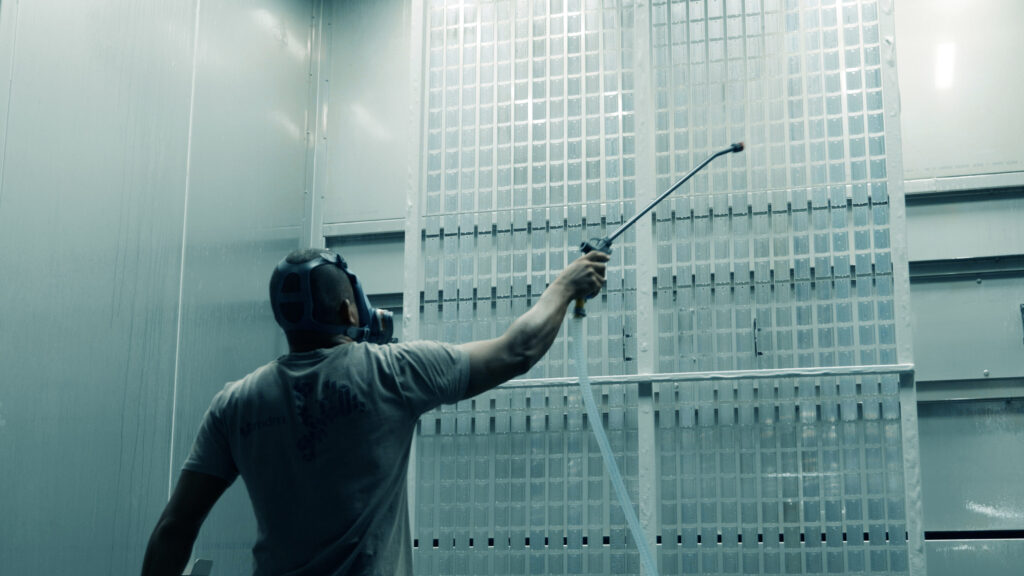
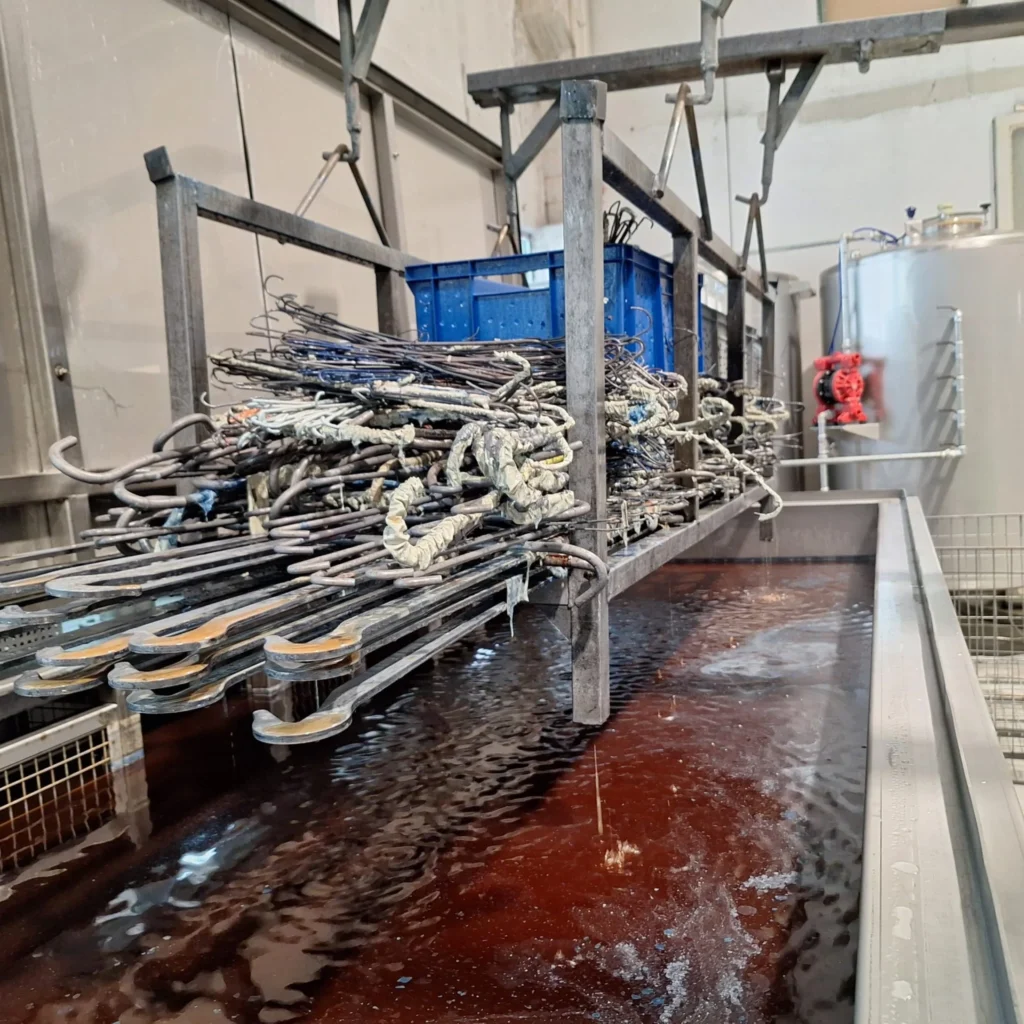
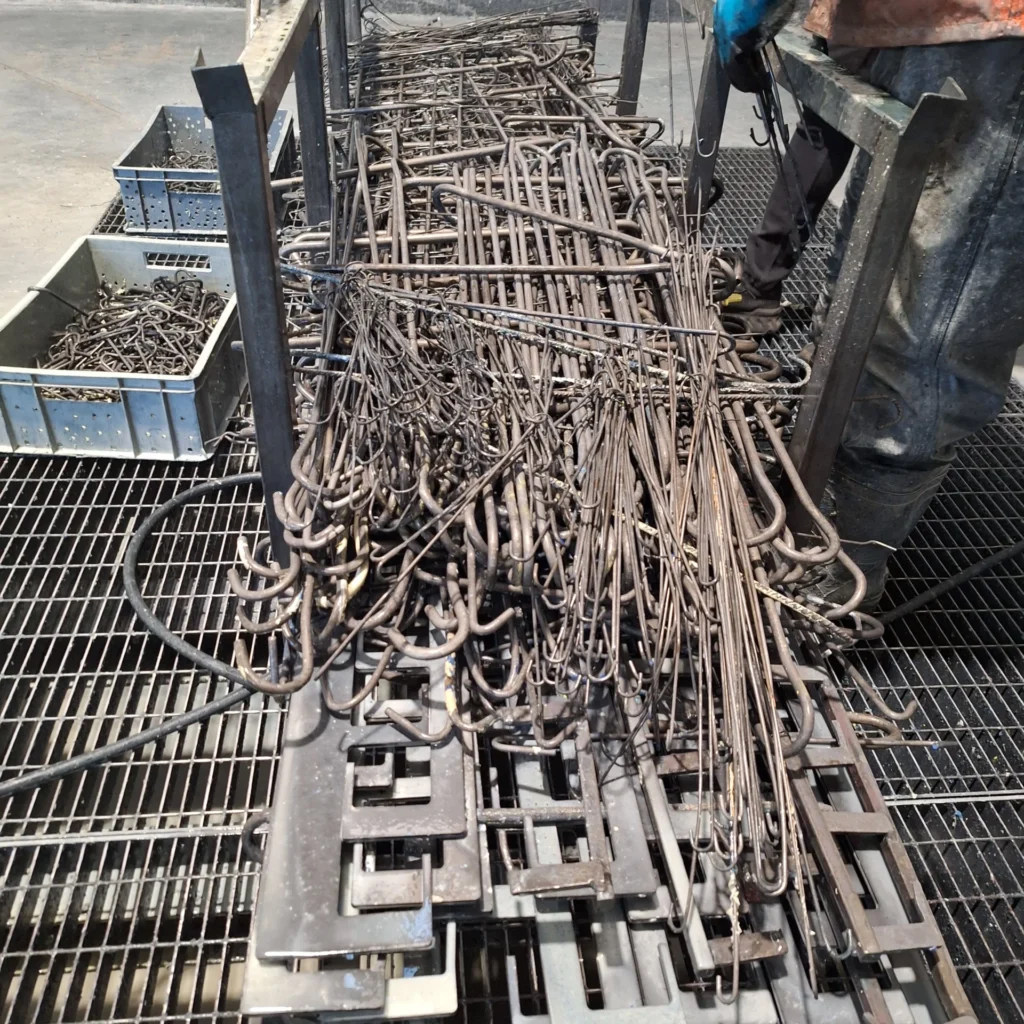
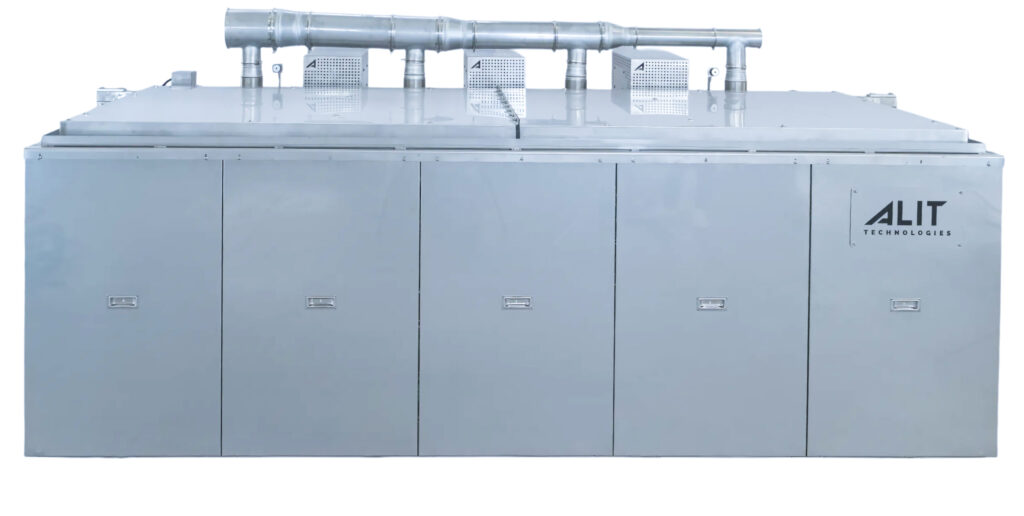
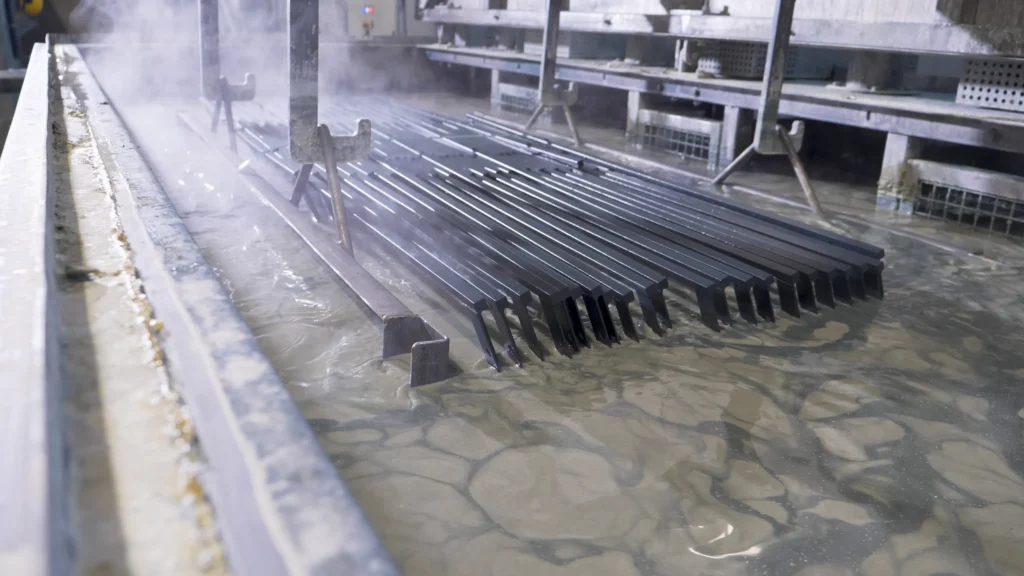
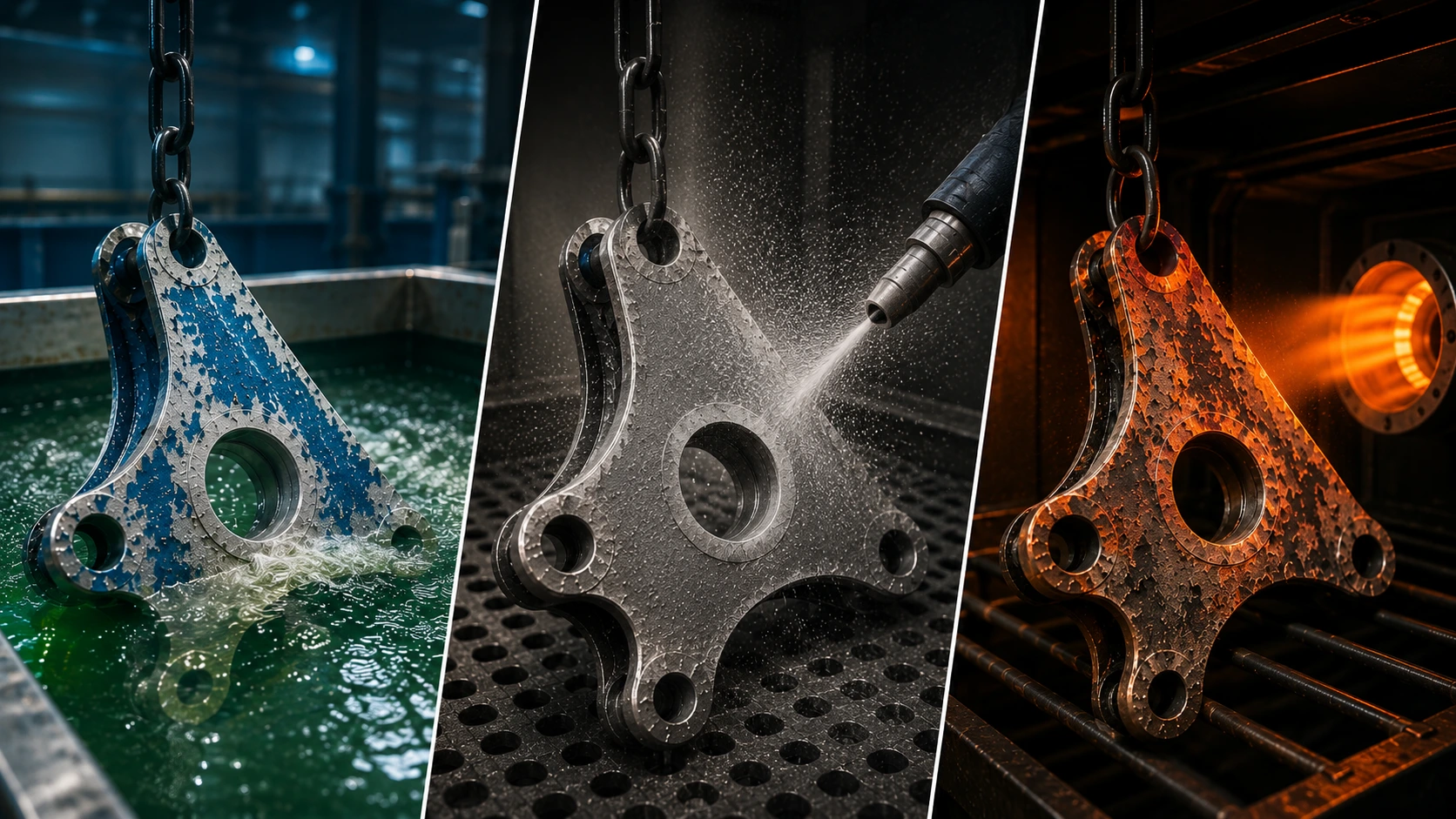
Paint stripping is a practical part of aluminium production. Coated parts may need to be recovered, and hooks and other production fixtures need to be cleaned and returned to service. The right chemical formulation matters, but so does the equipment used to run the process.
At ALUMINIUM 2026, ALIT will show how it brings chemistry and engineering together for paint removal and surface treatment. With ALIT Technologies in Europe and ALIT USA in North America, we work with aluminum extruders, powder coaters, and OEMs that manufacture or finish aluminum components on both sides of the Atlantic.
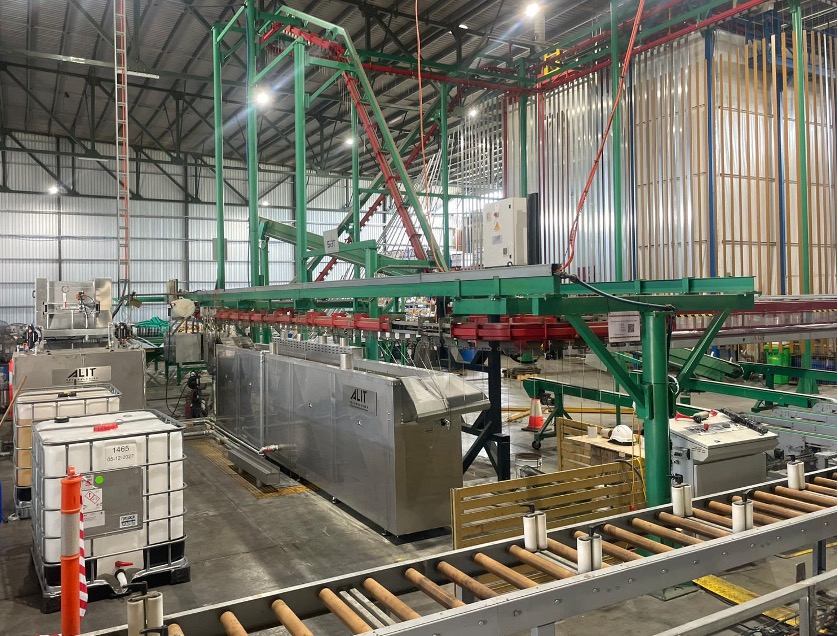
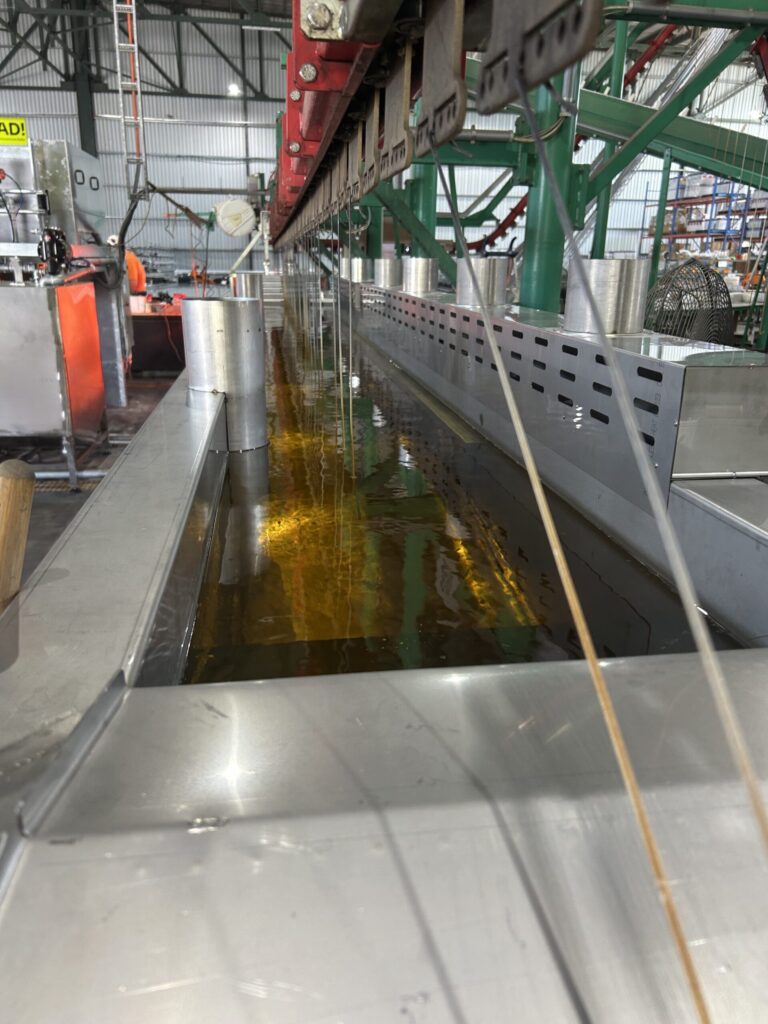
We will also introduce ALITRON for the first time. Installed alongside a pretreatment line, this new module designed by ALIT provides a reserve of chemicals close to where they are needed. We call it the line’s “power bank” because it helps prevent the line from running out of chemicals during production.
ALUMINIUM takes place in Düsseldorf from October 6 to 8. Visit ALIT in Hall 3, Stand H42 to talk through your paint stripping or surface treatment process.
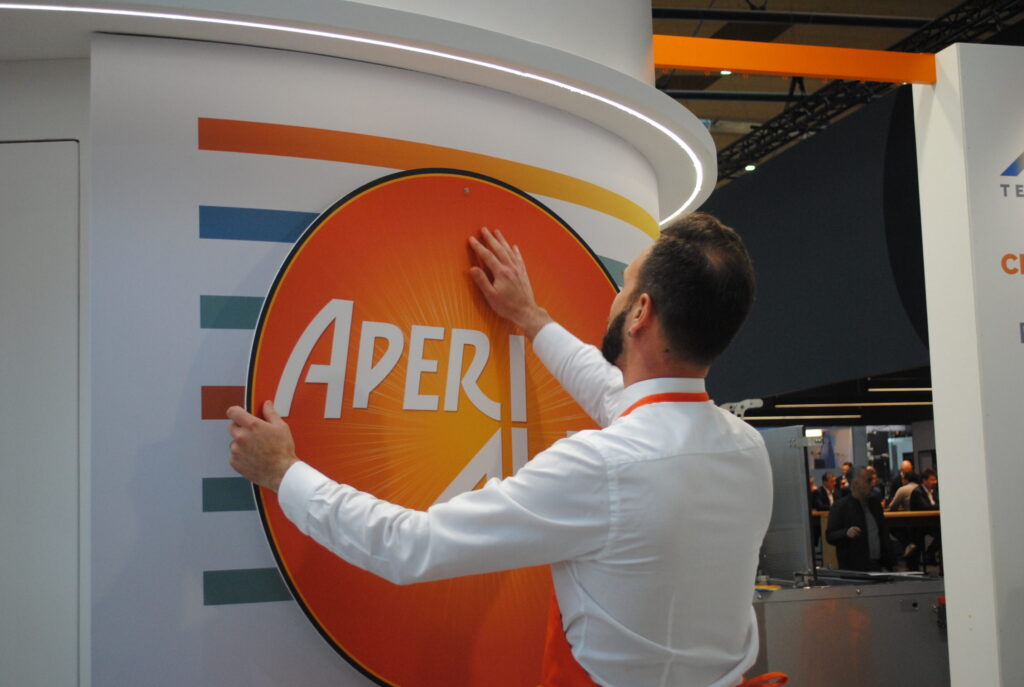
We’ll host Aperi-ALIT at the stand each day from 11:00 AM to 1:00 PM and 4:00 to 5:30 PM, with Spritz and Italian appetizers.
Coming to ALUMINIUM with a question about paint stripping or pretreatment? Send it to us through the Contact Form before the show. We’ll come prepared to discuss it with you at the stand.
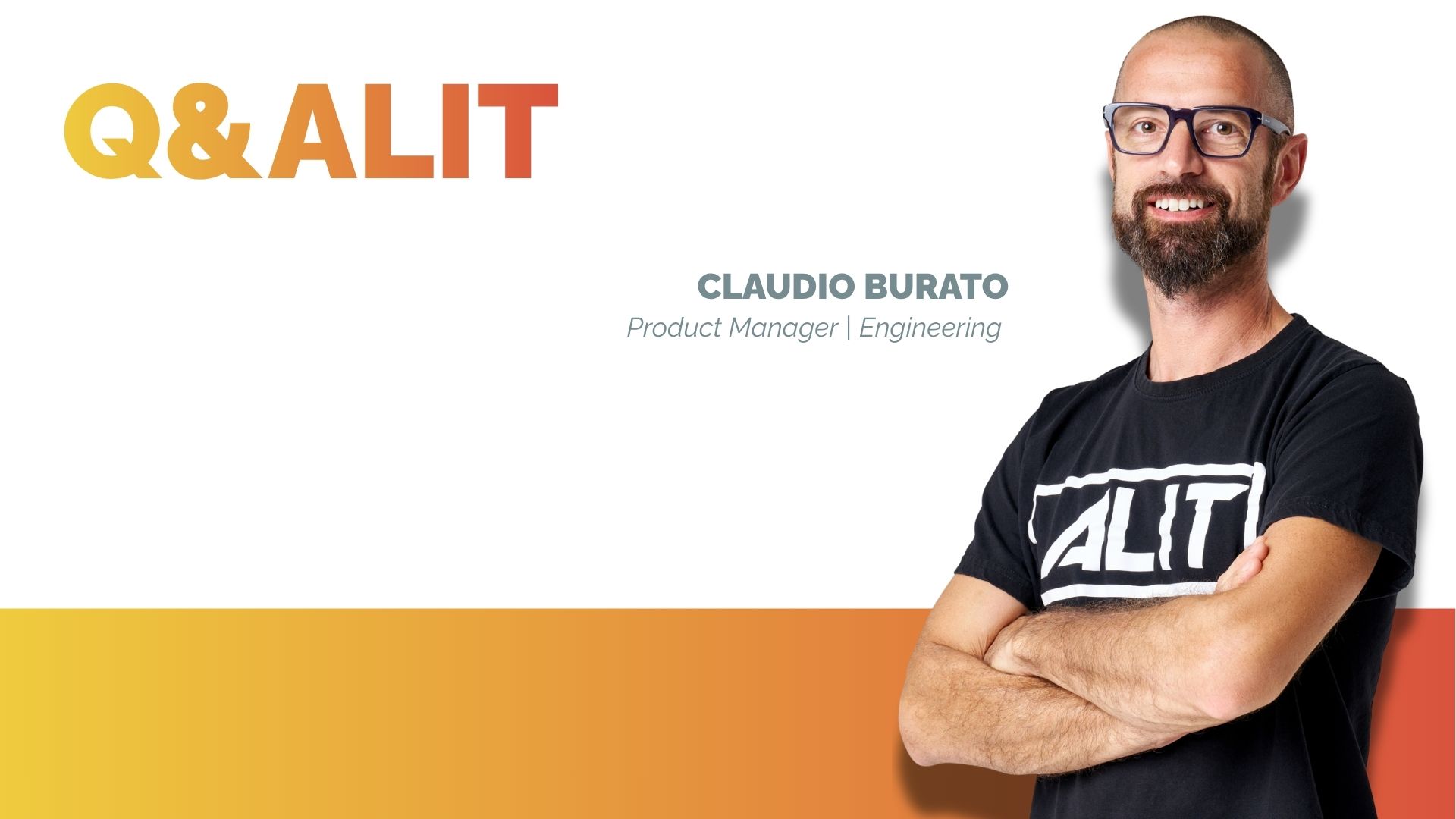
With Claudio Burato, Product Manager – Engineering Division
We asked Claudio Burato, Product Manager for ALIT’s Engineering Division, a simple question: “What matters more in a paint stripping process: temperature or circulation?”
His answer was immediate: “It’s the wrong question. They are equally important. If I had to break it down, I would say roughly 60% of the work is done by the chemistry and the other 40% by the equipment.”
The chemistry and the equipment are designed to work as one system, which is why both the stripping formulation and the machine configuration have to be selected for the specific application.
Why Temperature and Circulation Cannot Be Separated?
Temperature increases reaction kinetics. The faster the reaction, the more quickly the coating softens.
But softening the paint is only part of the process.
As the coating begins to dissolve, the softened material has to be removed from the surface. Otherwise, it forms a partially dissolved layer that acts as a shield, preventing the stripping solution from reaching the underlying intact coating.
That is where circulation becomes as important as temperature. Claudio explains it with a simple comparison:
“It’s like washing your hands. You need soap to loosen the dirt, warm water to help it work, and a continuous flow of water to carry the dirt away. In the same way, chemistry attacks the coating, temperature accelerates the reaction, and circulation removes the softened paint.”
This is why troubleshooting a slow paint stripping process should not start with a single parameter.
The temperature may be correct, but circulation may be insufficient. The chemistry may no longer be performing as expected. Or all three factors may be acceptable individually but poorly balanced.
Temperature and circulation perform different functions. One accelerates the reaction. The other clears the way for it to keep working.
But if there is one place to start, it is the chemistry. The right product, correctly dosed and maintained, is what makes both temperature and circulation effective. Without it, optimizing the equipment means solving the wrong problem.
Effective paint stripping depends on all three, with chemistry as the foundation.
What Should We Answer Next?
Do you have a question for our engineers, chemists, or technical specialists?
Send us your question through the Contact Us form. It may become the next edition of “Q&ALIT”.
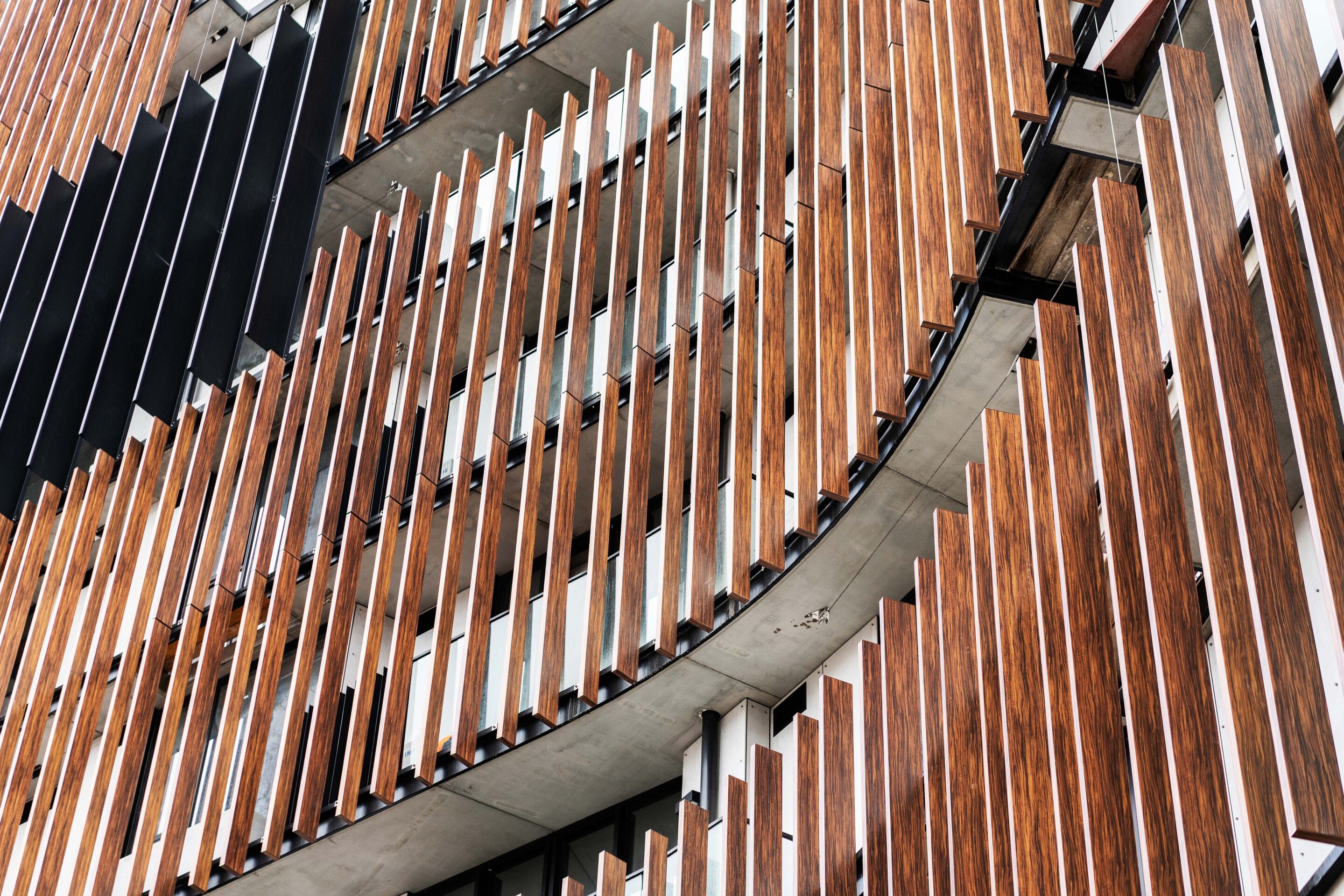
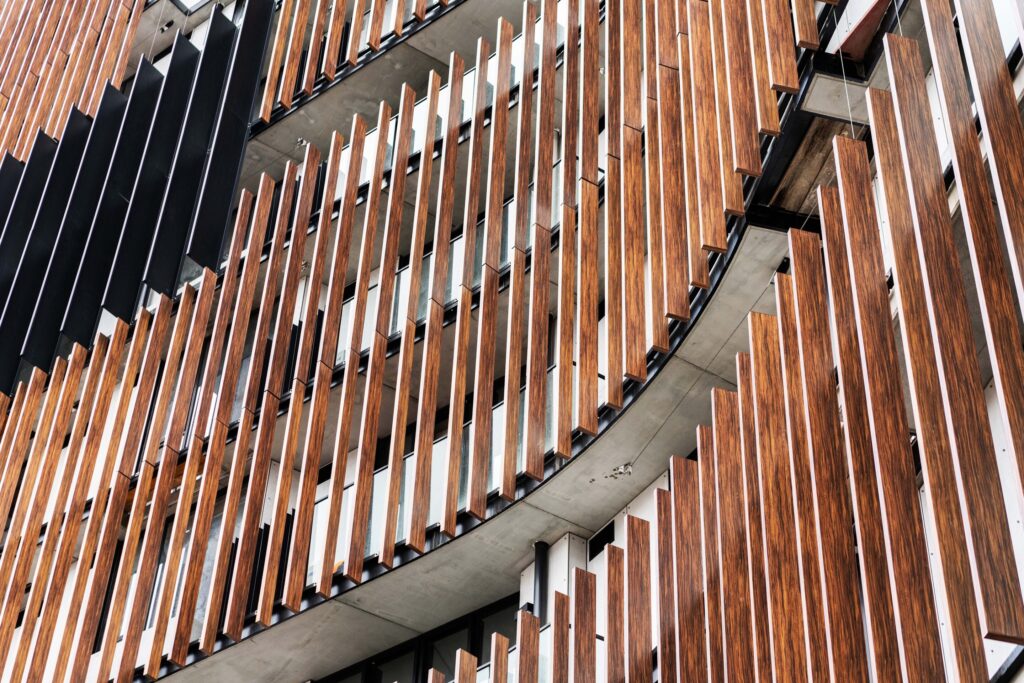
Knotwood makes architectural aluminium systems with wood-effect finishes, the kind of product where the finish is the product. So when the stripping system on their vertical powder coating line started falling behind, it wasn’t a minor maintenance issue.
Growing production exposed the weak link
As Knotwood’s vertical powder line began running at a faster line speed, that speed went beyond the capacity of their existing stripping system, the machine responsible for cleaning hooks and hanging components between coating cycles.
On paper, that sounds like a throughput number. On the shop floor, it looked like:
Staff spending significant time each day manually stripping and cleaning residual powder from hooks
Direct contact with stripping chemicals during loading, unloading, and cleaning
Grounding issues during coating, caused by residue the system was no longer stripping properly
Powder waste climbing as transfer efficiency dropped
A line that was only as fast as its slowest, most overworked component
The biggest challenge was that Knotwood needed the upgrade done inside an existing plant layout, without shutting the line down for days or weeks.
Upgrading without stopping production
RYONEX, ALIT Technologies’ exclusive distributor for Australia and New Zealand for FASTRIP® and Metalstrip® paint stripping systems and chemicals, ran the technical assessment and worked directly with ALIT’s team to design a solution built specifically for Knotwood’s line:
a larger treatment tank, upgraded ultrasonic cleaning, stronger heating performance,
a redesigned chemical formulation, all engineered to drop into the original plant layout rather than require a rebuild around it.
The new chemistry was developed to be safer for staff to work with, directly addressing the chemical contact risk from the old process.
The numbers here are the part that’s easy to be skeptical of, so it’s worth being specific about them:
The old system came out and the new FASTRIP ISP unit went in in 12 hours
Full commissioning was complete within 2 days
Within 24 hours, Knotwood’s hooks were coming out completely clean
Knotwood measured roughly 5% savings in powder consumption
The line is now saving an estimated 30 labour hours per month
A third option beyond stop-or-suffer
If your stripping system is falling behind, it’s tempting to think you only have two options: stop the line to fix it, or keep pushing the old system and absorb the consequences: the manual cleaning, the waste, the safety risk.
That second option is exactly what got Knotwood into trouble in the first place.
Their case shows a third path: an upgrade can happen inside your existing footprint, on your live production schedule, without weeks of downtime. 12 hours to swap the unit, 2 days to full commissioning, results visible within 24 hours.
Interested in what a FASTRIP upgrade could do for your line? Get in touch with our team to talk through your specific setup.
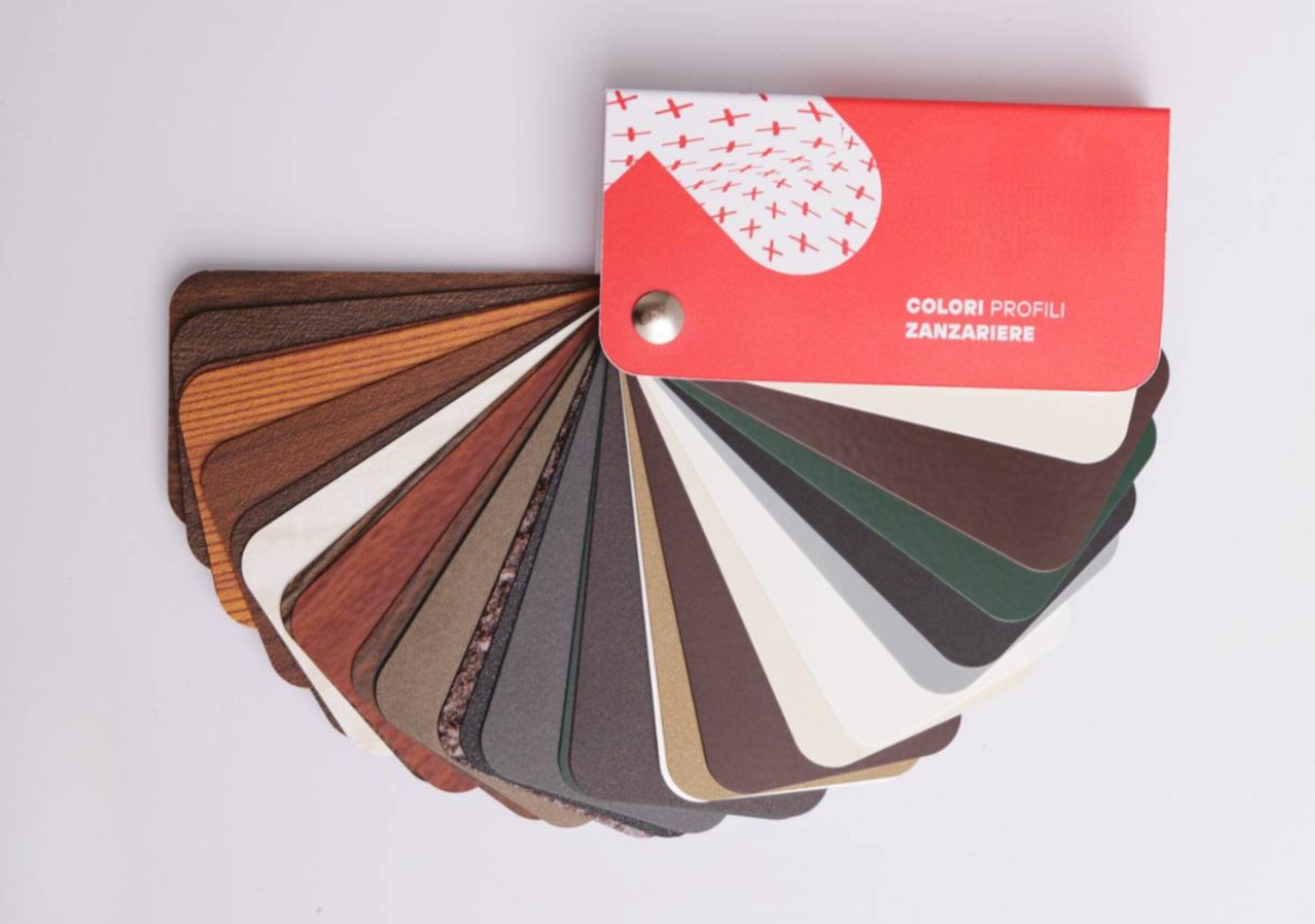
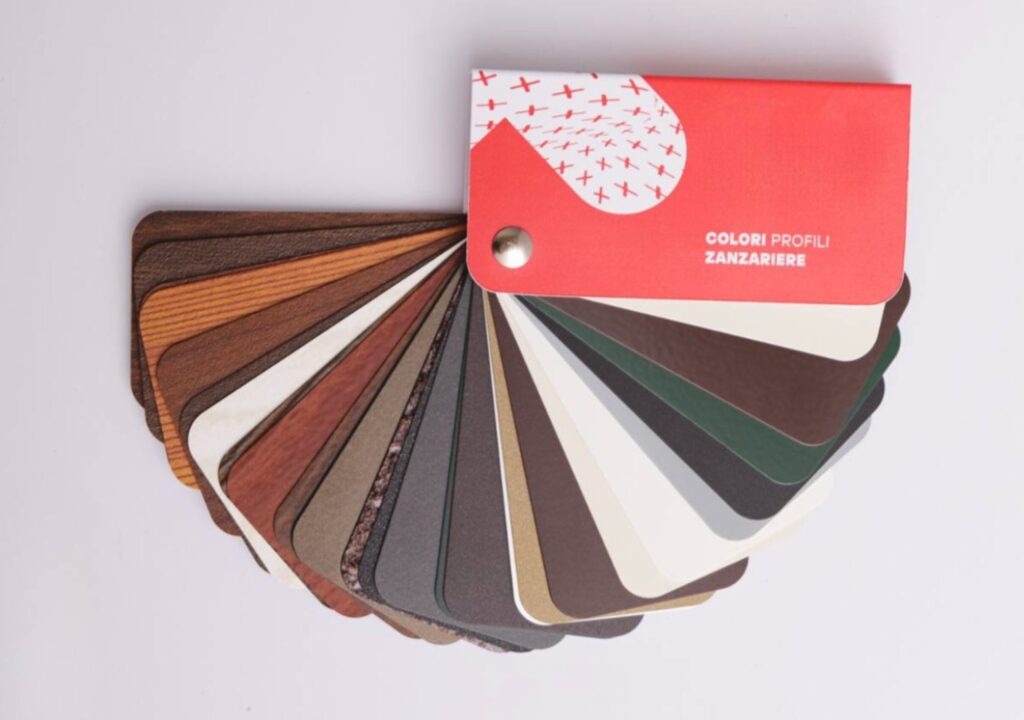
In the world of coated aluminum, color is never just an aesthetic choice. It is a technical reference, a production standard, and a commercial tool. It must remain consistent, repeatable, and reliable over time.
It is precisely on this balance between aesthetics and process that MDM Campionari has built its industrial identity. The company, specialized in the production of aluminum color fan decks and sample collections, has been operating in the sector for more than fifteen years and is now recognized as one of the leading European manufacturers of professional color support systems for powder coating producers, window and door manufacturers, and companies operating in the world of solar shading systems, pergolas, and architectural aluminum solutions.
MDM’s story began in an almost artisanal way, inside a home garage, thanks to the initiative of Giuseppe Stallo. Starting from an initial laser customization business, the company rapidly evolved through a clear strategic decision: investing in color sample collections as a product with high technical and perceptual value, capable of representing the visual identity of entire production lines.
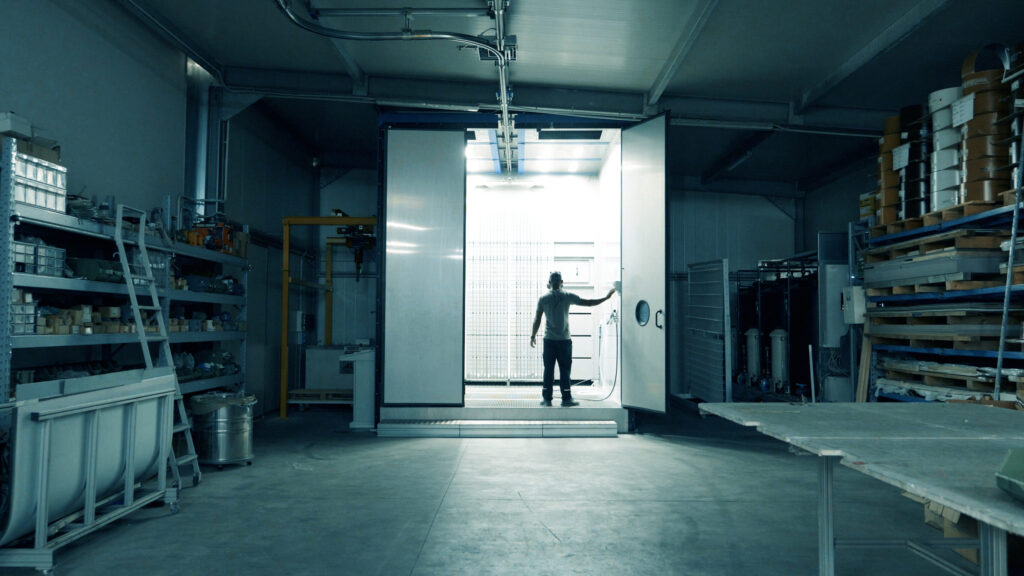
Today, MDM operates a 1,200 m² production facility that fully integrates powder coating lines with rapid color change systems, five-stage pretreatment, cutting, assembly, engraving, and printing. A complete manufacturing structure that allows the company to maintain high quality standards and fast response times. But in 2024, a fundamental strategic step was taken: the complete internalization of several critical production phases.
The Collaboration with ALIT Technologies
For MDM, the goal was not simply purchasing equipment. The objective was to gain greater process control, reduce dependency on external subcontracting, and improve quality consistency and operational speed. In other words: transforming quality from a final result into a fully controlled industrial system. This is the context in which the collaboration with ALIT Technologies was born.
The project initially started with the implementation of dedicated pretreatment solutions for aluminum and steel, before evolving into the introduction of a compact chemical immersion stripping system. Two processes often considered “secondary,” but which actually represent the technical core of industrial coating operations. Because high-performance coating never depends solely on powder or curing ovens. It depends above all on surface preparation.
Pretreatment: The Real Foundation of Quality
Pretreatment is the most critical phase of the entire coating cycle. A properly prepared surface guarantees adhesion, uniformity, corrosion resistance, and long-term durability of the finish. On the contrary, inadequate preparation can compromise the entire production cycle, generating defects such as peeling, blistering, detachment, or surface irregularities.
The system implemented by MDM includes several dedicated stages designed to achieve perfectly clean, activated, and uniform surfaces. The first phase consists of degreasing and pickling, necessary to remove oils, grease, and surface contaminants that would compromise paint adhesion. The process is carried out using acid-based products, high-efficiency solutions, and combined phospho-degreasing treatments.
This is followed by multiple rinsing stages to completely eliminate chemical residues from the surface. The cycle concludes with a final rinse using demineralized water, essential for obtaining a neutral surface free from residual salinity and ready for the next production phase.
For steel and iron components, MDM uses traditional iron and zinc phosphating systems capable of creating an ideal microstructure for paint anchoring. For aluminum and light alloys, however, the company adopted a nanotechnology-based approach using zirconium and titanium conversion coatings. A choice that allows more stable process parameters, lower consumption, reduced environmental impact, and greater coating durability over time.
Paint Stripping as a Strategic Process
Alongside pretreatment, chemical paint stripping also became a key element of the project developed together with ALIT Technologies.
Often perceived as a simple recovery activity, paint stripping in more advanced manufacturing companies is actually a strategic quality process. Proper stripping means recovering defective components without compromising their integrity, avoiding waste and expensive rework, preserving geometries and dimensional tolerances, and restoring substrates to optimal conditions for recoating.
For MDM, this aspect was particularly important: the aesthetic and surface precision required in the world of color sample collections leaves no room for compromise. For this reason, the company chose to implement an immersion chemical paint stripping system that is more conservative than traditional sandblasting, making it ideal for components requiring high precision and strict surface control.
An additional advantage also concerns the management of coating hooks and hangers. Continuous cleaning of these elements improves contact quality between the support and the coated part, ensuring electrostatic continuity and greater production process stability.
From Equipment Installation to a New Business Line
The installation and commissioning of the system were managed through close collaboration between MDM and ALIT Technologies, fully respecting the planned timelines and without significant operational issues. This allowed the company to accurately plan personnel training, the startup of the new production department, and the gradual transition from outsourced processes to fully internalized operations.
At the same time, MDM also began developing commercial and marketing activities related to the new pretreatment and stripping services, progressively expanding its offering within the local market.
In a short period of time, pretreatment, stripping, and coating became a strategic business line for the company. Not only because they were perfectly integrated with the production of color sample collections, but because they successfully addressed new manufacturing demands through a model based on speed, precision, and quality control.
Conclusion
For ALIT Technologies, projects such as the one developed together with MDM Campionari represent the concrete meaning of its mission: bringing chemical and plant engineering technology into real manufacturing processes, helping companies build higher industrial quality, stronger operational control, and new growth opportunities.
Because in the industrial coating sector, final quality does not originate only from the finish itself. It starts much earlier. It begins with surface preparation, process control, and the ability to transform every production phase into a real competitive advantage.
In industrial powder coating processes, paint stripping is often considered a secondary operation, until production continuity starts depending directly on it. For companies managing hooks, frames and coating supports on a daily basis, keeping these components perfectly clean and immediately reusable is essential to ensure coating quality, reduce powder consumption and maintain operational continuity.
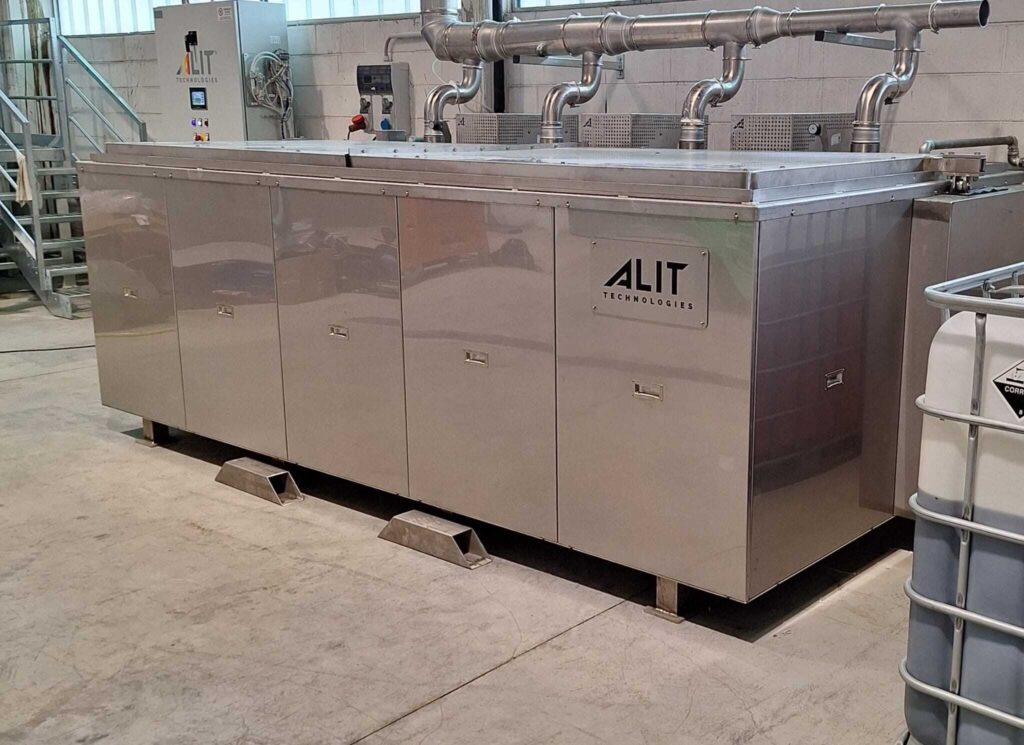
This is exactly the scenario faced by a major Northern Italian job coater operating three powder coating lines dedicated to metal components of various sizes, including large structures. Six months after installation, FASTRIP T6 has become an integral part of the company’s production process, continuing to operate daily in the stripping of medium-large hooks, frames and supports. The result is a stable and continuous process capable of handling approximately 900 kg/day of stripped metal frames and supports, with an estimated productivity potential exceeding 1000 kg/day.
The challenge: handling large frames and supports
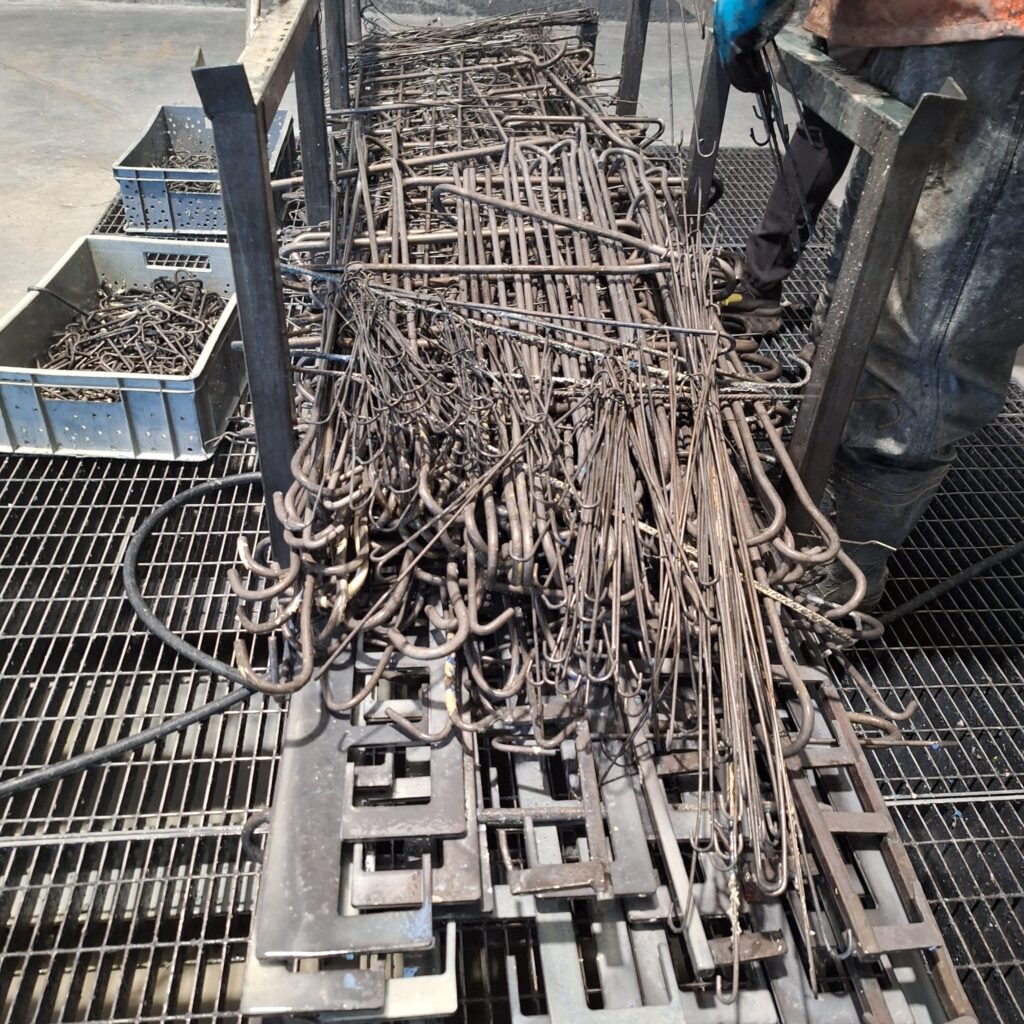
In high-productivity coating plants, hooks and frames progressively accumulate paint layer after layer. Over time, coating thickness compromises electrical conductivity, coating quality and overall process efficiency. The consequences are well known: uneven coating application, increased paint consumption, higher defect rates, production slowdowns, premature replacement of supports. As component dimensions increase, the challenge becomes even more critical. Medium-large frames and structures are significantly more difficult to manage using traditional stripping systems, especially where continuous daily operation is required. For this reason, the customer needed a solution capable of processing large supports while maintaining stable process conditions over time.
The installed solution: FASTRIP T6-300
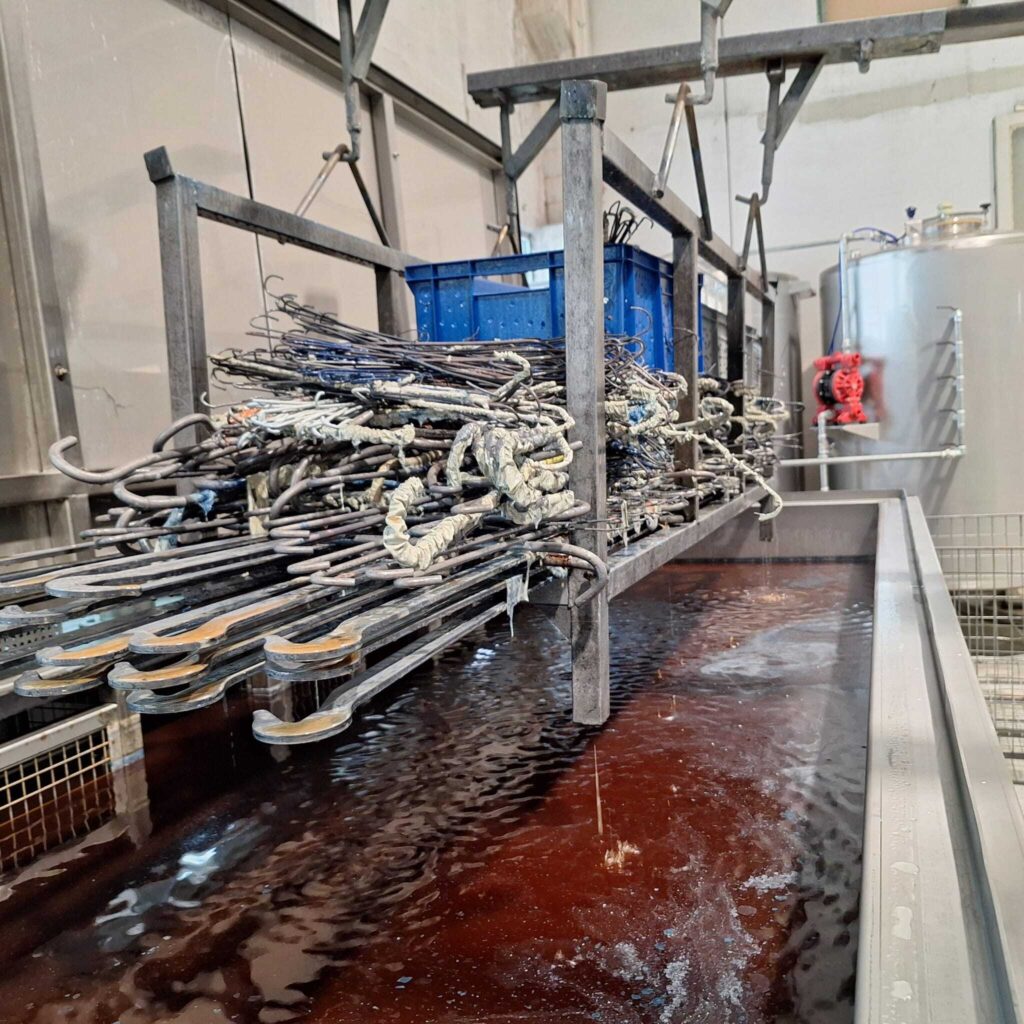
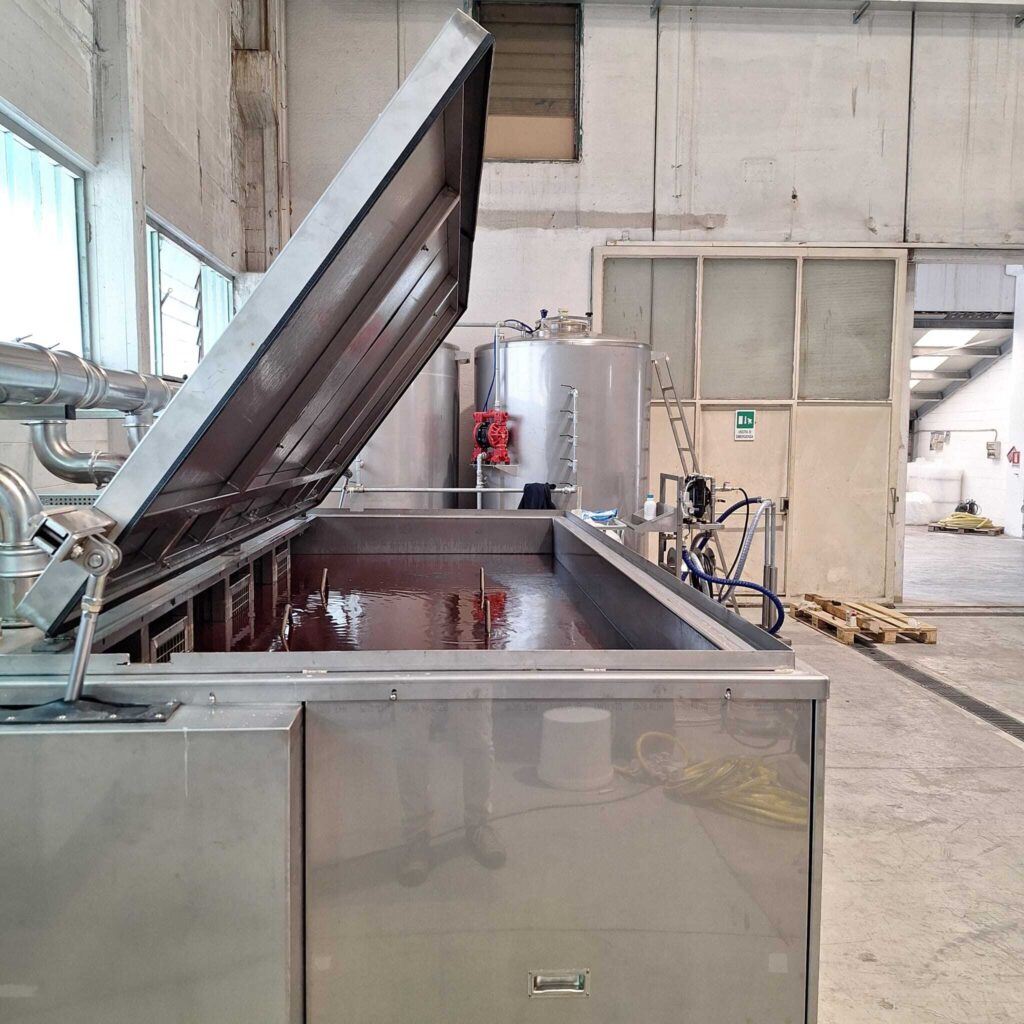
To address these requirements, the company installed a FASTRIP T6-300 immersion stripping tank combined with ALIT METALSTRIP 2801 stripping technology. The system was specifically configured for the treatment of medium-large metal components through a controlled immersion process based on the combination of three elements: chemical action, controlled temperature, continuous mechanical agitation. The tank operates at temperatures ranging from 50°C to 70°C and uses three heavy-duty vertical mixers to keep the solution continuously moving throughout the process. Continuous agitation accelerates stripping performance and helps maintain bath uniformity, even when processing complex coatings or heavily layered supports. The process progressively dissolves, softens or detaches the paint layer from the metal substrate, preparing the components for the rinsing stage.
Operational workflow: immersion and immediate reuse
The workflow implemented at the customer’s facility was designed to ensure simplicity and industrial continuity. Hooks, frames and supports are loaded into dedicated baskets and immersed directly into the FASTRIP T6 working solution. Depending on coating type, thickness and operating temperature, treatment times generally range from one to five hours. At the end of the immersion cycle, the baskets are extracted using a lifting system and transferred to a dedicated rinsing area, where operators perform high-pressure rinsing to remove stripping residues and detached paint. At the end of the process, the components are immediately reusable inside the coating lines. This continuous cycle allows the company to maintain a constant availability of clean hooks and frames without interrupting production activities.
Real productivity data
One of the most significant aspects of this installation is that the productivity data comes directly from a real industrial plant operating daily under production conditions.
The current configuration allows processing of:
3 baskets per day
approximately 300 kg per basket
approximately 900 kg/day of stripped hooks, frames and supports
Based on the installed operational configuration, the estimated productivity potential of the FASTRIP T6-300 exceeds 1000 kg/day of stripped metal structures. Another important aspect is that the system is not yet operating at its full production capacity, leaving room for future output increases.
Thermal stability and energy efficiency
One of the distinctive engineering features of FASTRIP T6 is its thermal management system. The tank uses flat electric heating elements installed externally on the tank walls. This configuration improves operational safety by avoiding the direct immersion of high-temperature electrical components inside the chemical solution. At the same time, the absence of internal heating elements keeps the tank walls perfectly smooth, simplifying cleaning and maintenance operations. Thermal insulation is provided by a 50 mm insulating layer applied to all tank surfaces, including the bottom and pneumatic lid. The effectiveness of this insulation becomes evident during daily operation: when heating is switched off overnight with the bath at approximately 70°C, the solution still maintains a temperature of around 55°C after 12 hours. This limited thermal drop directly contributes to: improved energy efficiency, greater process stability, reduced restart times, more controlled operating conditions.
Vapour management and operational safety
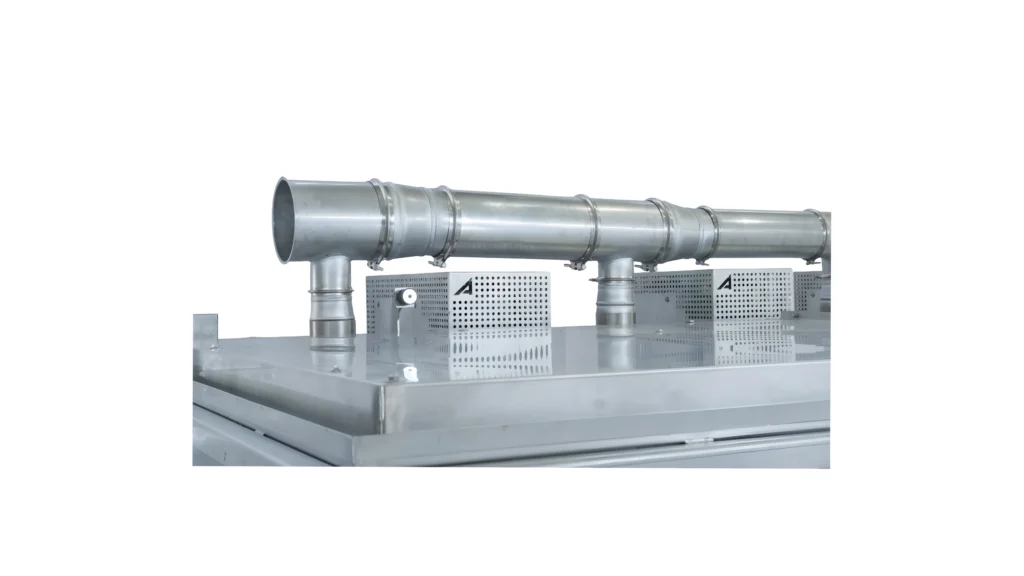
The FASTRIP T6 installation also integrates a dedicated process vapour extraction system designed to improve safety and working conditions. The pneumatic lid is equipped with gaskets compatible with ALIT chemical products, minimizing vapour dispersion during operation. Before the lid is opened, the extraction system is automatically activated to evacuate vapours through a dedicated extraction collar connected to a stainless steel centrifugal fan. The system also includes a condensate separator designed to intercept and collect any condensed liquids generated inside the piping. This approach enables safer process management and improved control of the working environment.
Beyond the tank: a complete process ecosystem
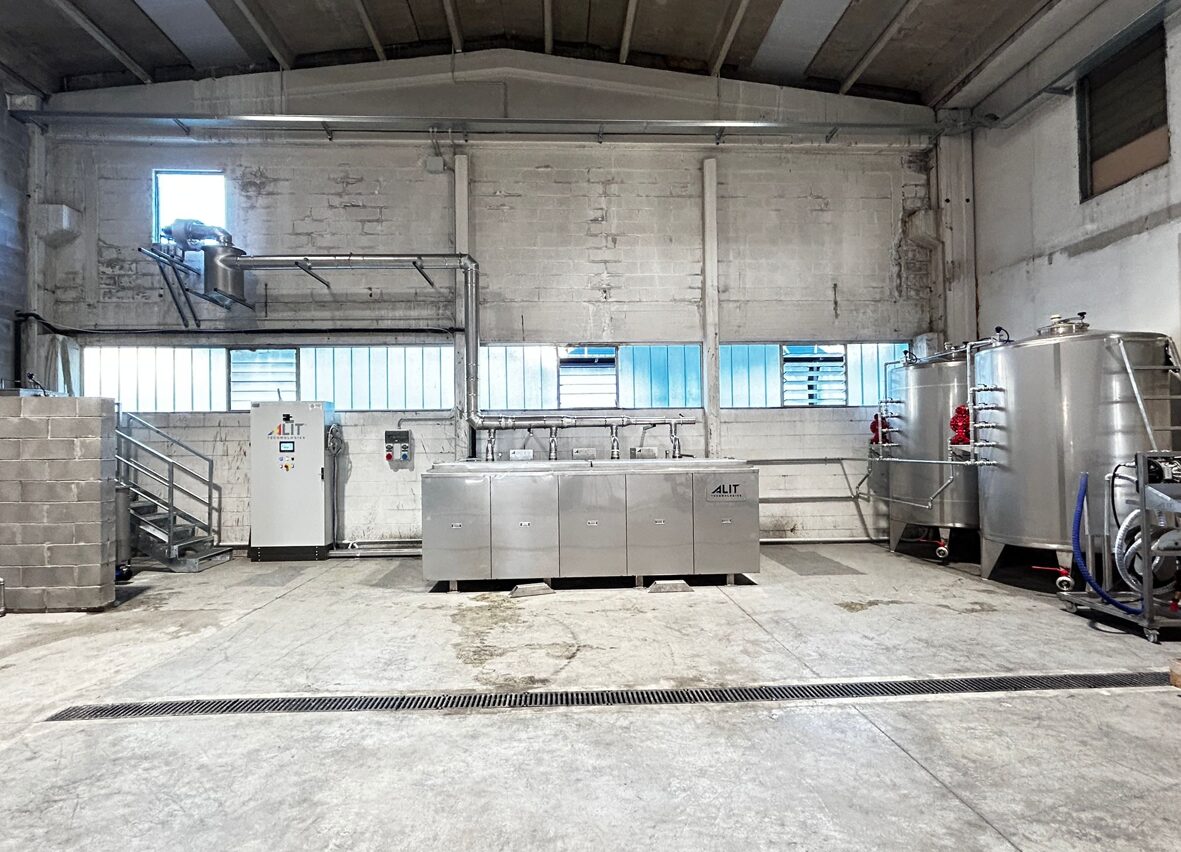
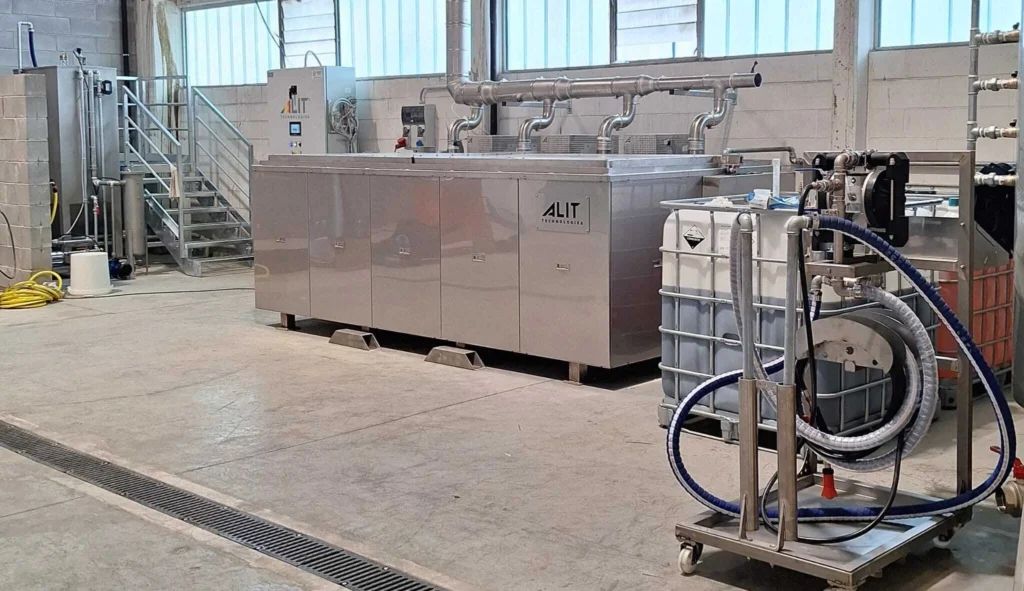
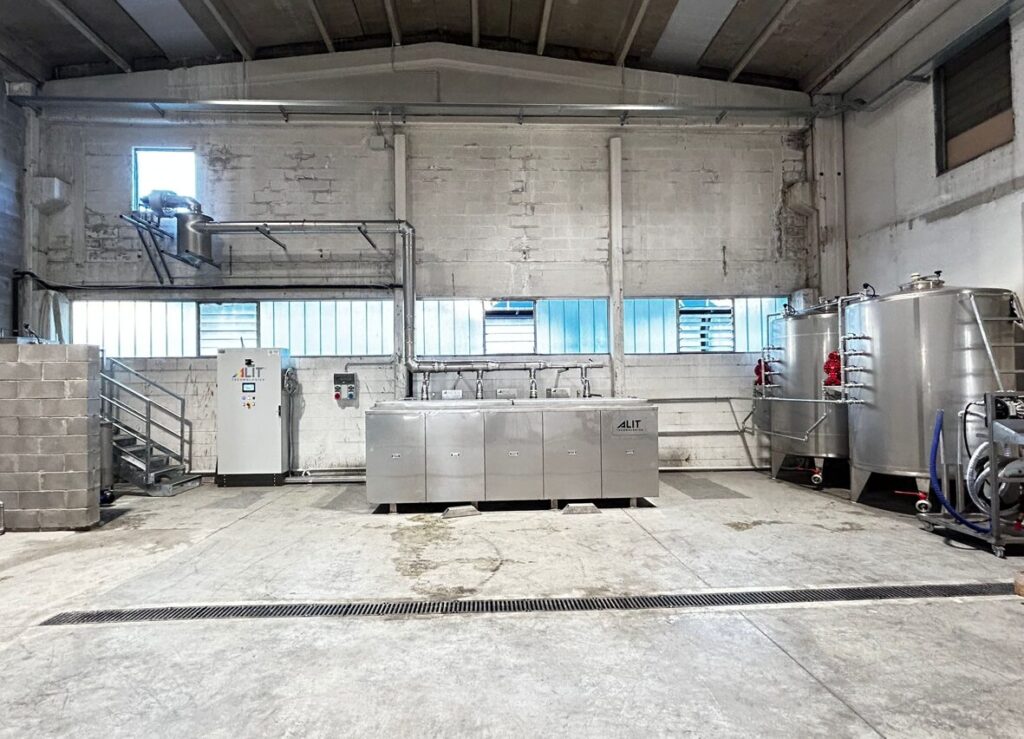
The installation goes beyond the stripping tank itself and integrates several systems developed to optimize overall process management. Installed solutions include:
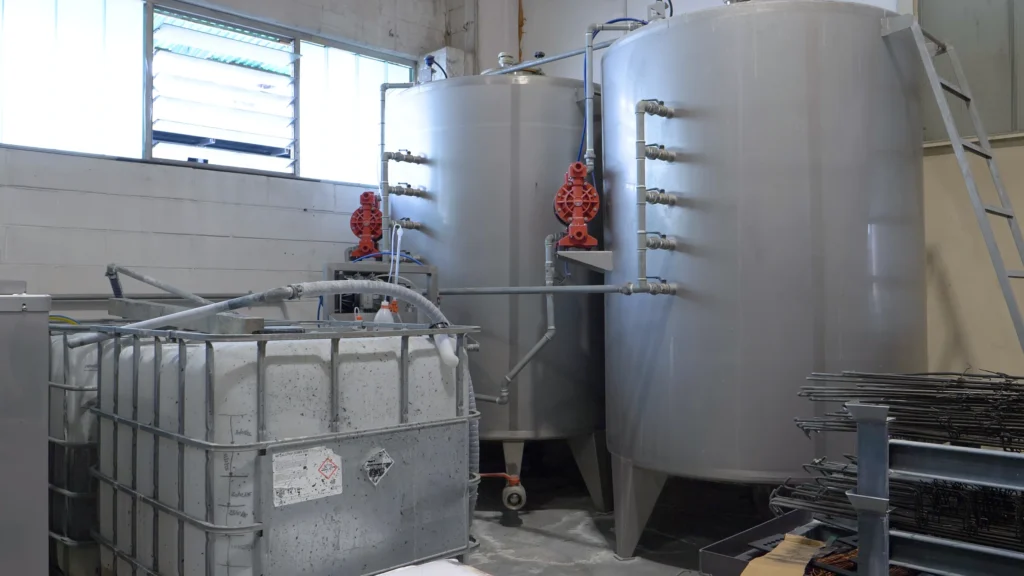
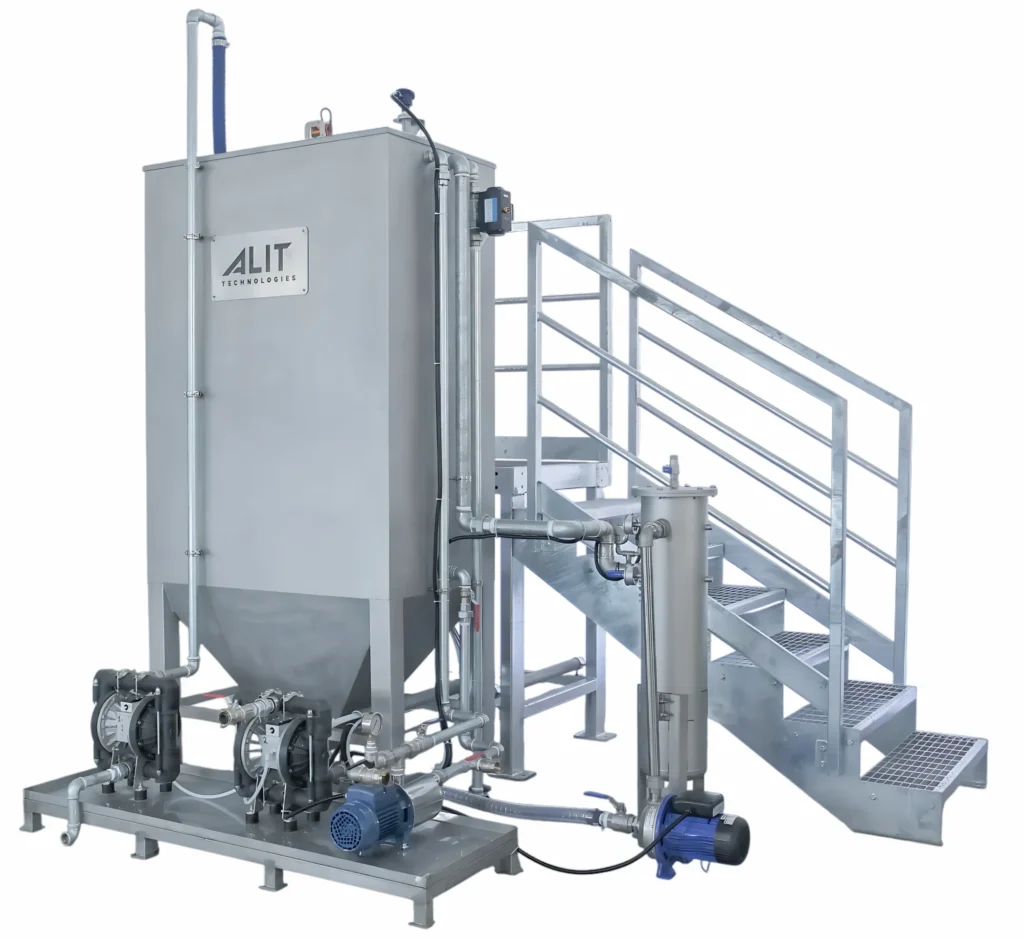
automated liquid storage silos
multifunction pneumatic systems
water filtration and recovery systems
process automation and monitoring
Particularly relevant is the filtration and water reuse system connected to the rinsing area.
Contaminated water is automatically collected, mechanically filtered and reused during the initial rinsing stages, contributing to lower overall water consumption while maintaining high operational efficiency. Similarly, the automated silos allow sedimentation and recovery operations for clarified liquids, contributing to reduced overall stripping chemical consumption.
A process designed for continuity
After six months of continuous industrial operation, the FASTRIP T6 installation confirms a principle that is becoming increasingly important for modern coating plants: paint stripping is no longer a marginal production phase.
When properly engineered, immersion paint stripping becomes an integrated process capable of improving coating quality, extending tooling lifespan and ensuring operational continuity. In this specific application, FASTRIP T6 demonstrated its ability to handle medium-large components under real production conditions while maintaining stable performance day after day. More than a simple stripping tank, the system operates as a complete industrial ecosystem designed to deliver control, efficiency and operational continuity on an industrial scale.
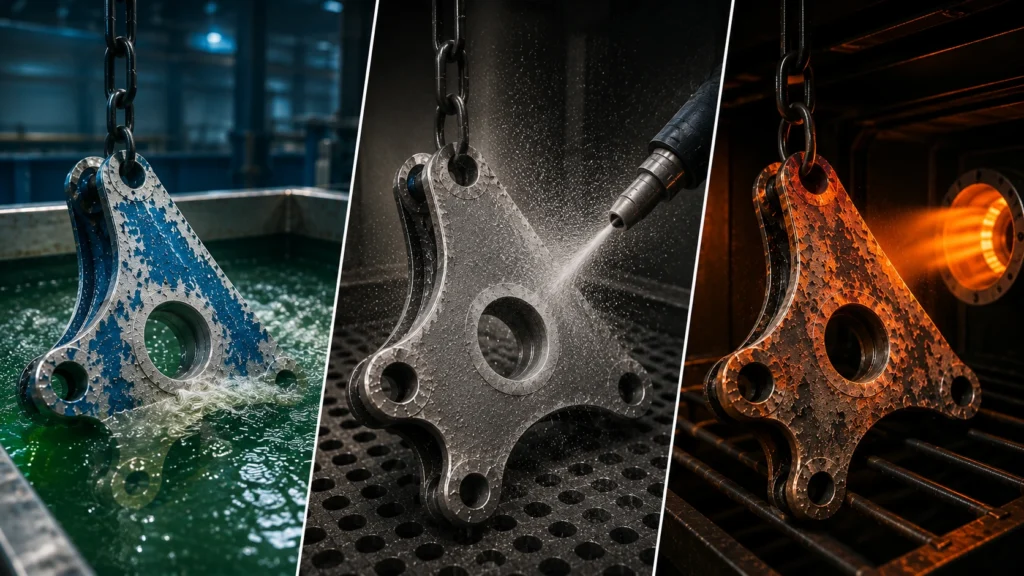
Industrial paint stripping from metal surfaces is a critical step in manufacturing processes. It’s not just about removing a coating, it’s about preserving the substrate, maintaining high quality standards, and ensuring operational continuity.
In the following sections, we break down the main industrial paint stripping methods, comparing how they work, where they perform best, and where they fall short. The goal is not to define a universally better solution, but to highlight the differences that directly impact surface quality, process control, and production efficiency.
Thermal Stripping: Throughput and Durability
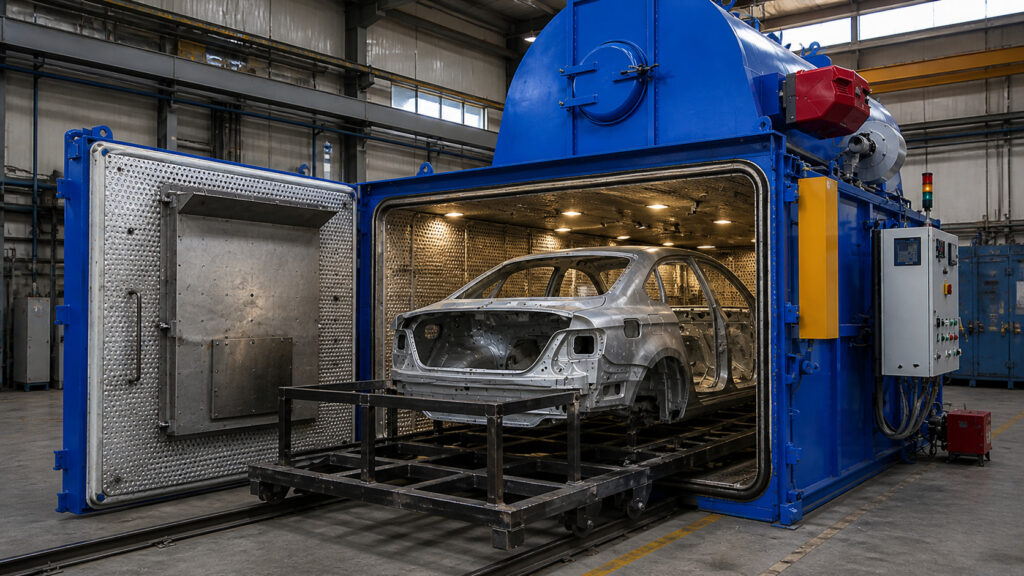
Thermal stripping relies on high temperatures to break down coatings. It’s an effective option when the priority is processing large volumes or removing highly resistant coatings, such as those found on hooks and steel structures used in production lines. The key factor to consider is that heat affects the entire component. This may not be an issue for robust materials, but it becomes critical when dealing with more sensitive alloys or tight tolerances. In short, it’s a technology built for throughput, but with less control over fine details.
Mechanical Stripping: Speed with Limited Precision
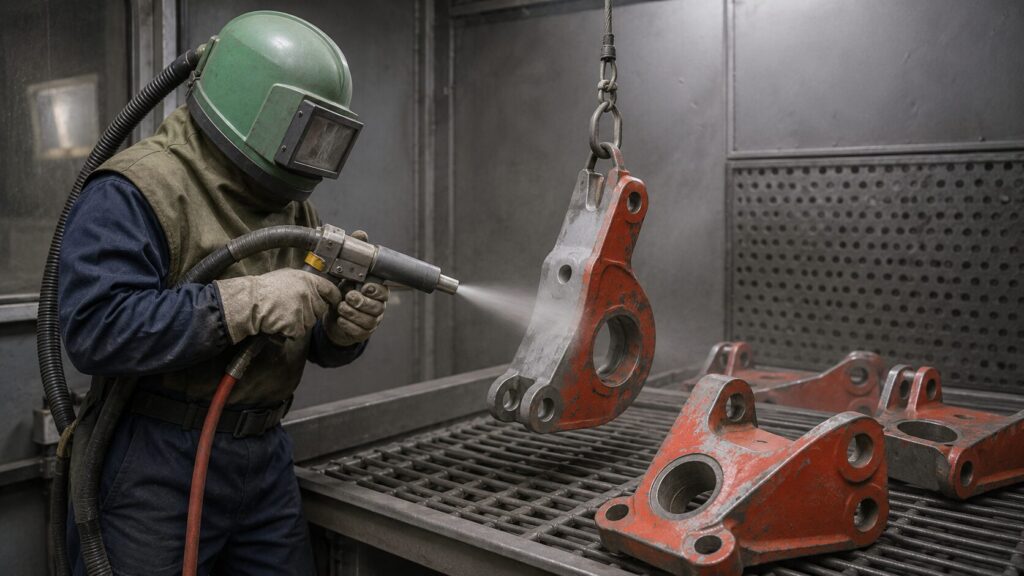
Mechanical stripping, including sandblasting or shot blasting, removes paint through physical abrasion. It’s fast, direct, and often used when operational speed is more important than surface finish. It performs well on simple geometries and durable materials. However, as complexity increases, so do the limitations. The abrasive action can alter the surface, making it less suitable for precision components or more delicate materials. It’s an effective solution in specific scenarios, but not the most versatile.
Advanced Technologies: High Precision, Niche Applications
Solutions such as laser stripping, cryogenic processes, or fluidized bed systems represent a more advanced evolution of the industry. They offer high levels of precision and control, but are typically used in very specific applications where volume or cost is secondary to result quality. These are not replacement technologies, but complementary ones.
Chemical Stripping: Balancing Performance and Material Integrity
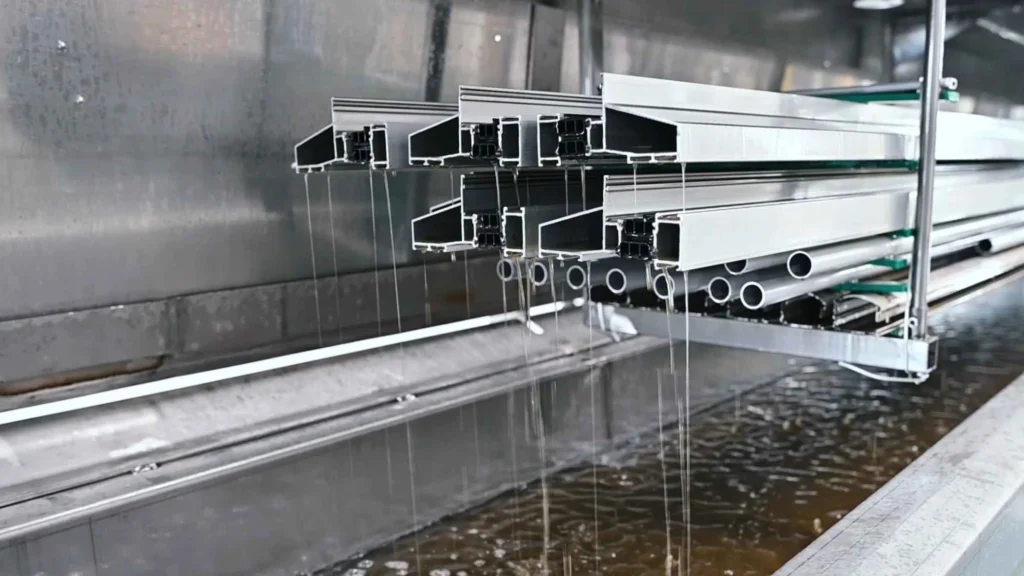
Industrial chemical stripping is based on a controlled principle: dissolving the coating without affecting the underlying substrate. This makes it particularly suitable for removing paint from metals such as aluminum, steel, and light alloys, especially when dealing with complex components or intricate geometries. The main advantage is not just cleanliness, but the quality of the final surface. With no abrasion or thermal stress involved, the metal retains its original properties. That doesn’t mean it’s the simplest option. It requires precise process management, parameter control, and the right chemical formulation. But when these elements are properly handled, the level of precision is difficult to match with other technologies.
The Real Comparison: Where the Differences Lie
Comparing metal stripping techniques isn’t about ranking them. What really changes is the impact on the overall production process. Some methods prioritize speed, others ease of operation. Others aim for a broader balance between surface quality, material preservation, and process repeatability. And in many industrial environments, that balance is what makes the difference over time.
A Decision Beyond Technology
Choosing a stripping method should never happen in isolation. Metal type, coating characteristics, component geometry, and production goals all directly affect the outcome. But there’s another often overlooked factor: process stability over time. Not all technologies provide the same level of control and consistency. And at scale, that difference becomes tangible.
Conclusion
Talking about the “best” stripping method is misleading. It’s more accurate to talk about the most suitable one. Each technology has its place. Some are built for speed, others for simplicity, others for precision. The real differentiator is the level of control you need over the final result. And in most industrial contexts, that control is what ultimately defines quality, efficiency, and production continuity.
In industrial coating processes, paint stripping is often considered a necessary but secondary step. Until it becomes a problem. When production volumes increase, coatings become more resistant, and operations cannot afford slowdowns, this phase stops being marginal and becomes critical. Not so much for the ability to remove paint, but for the difficulty of keeping the process stable over time.
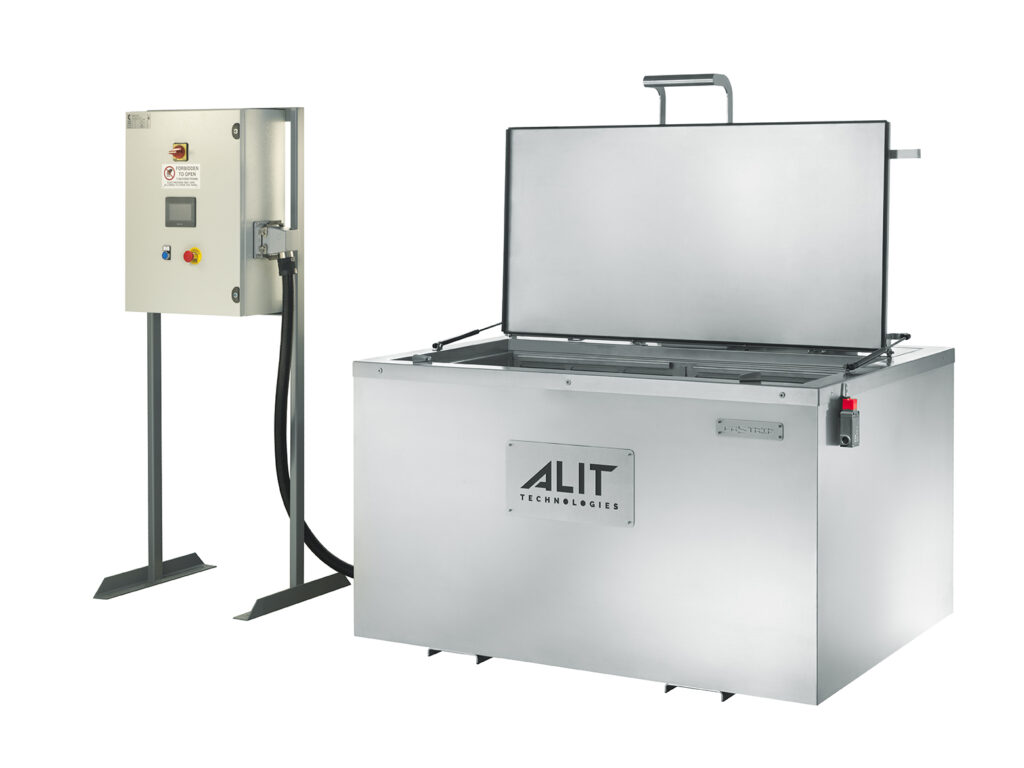
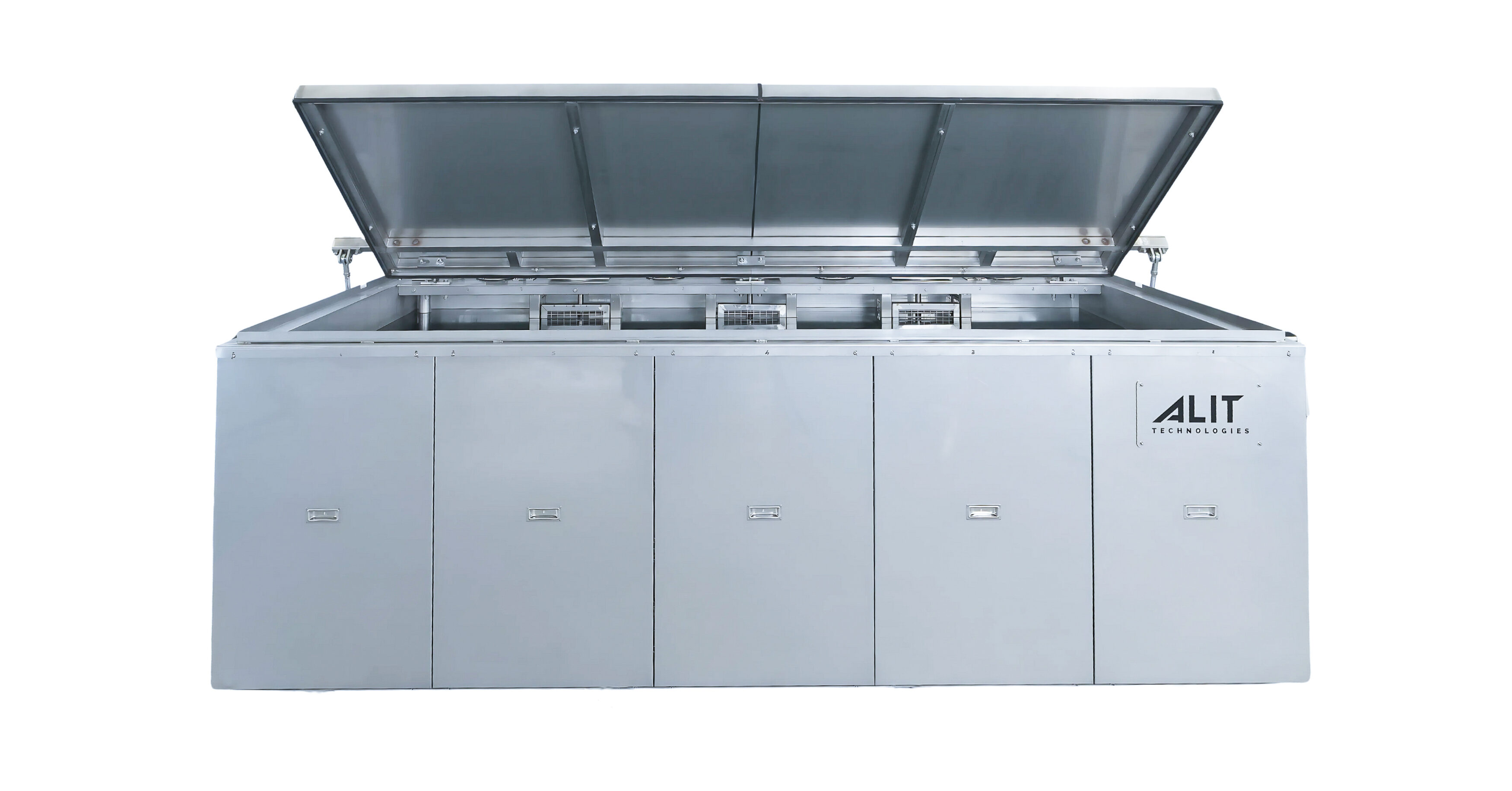
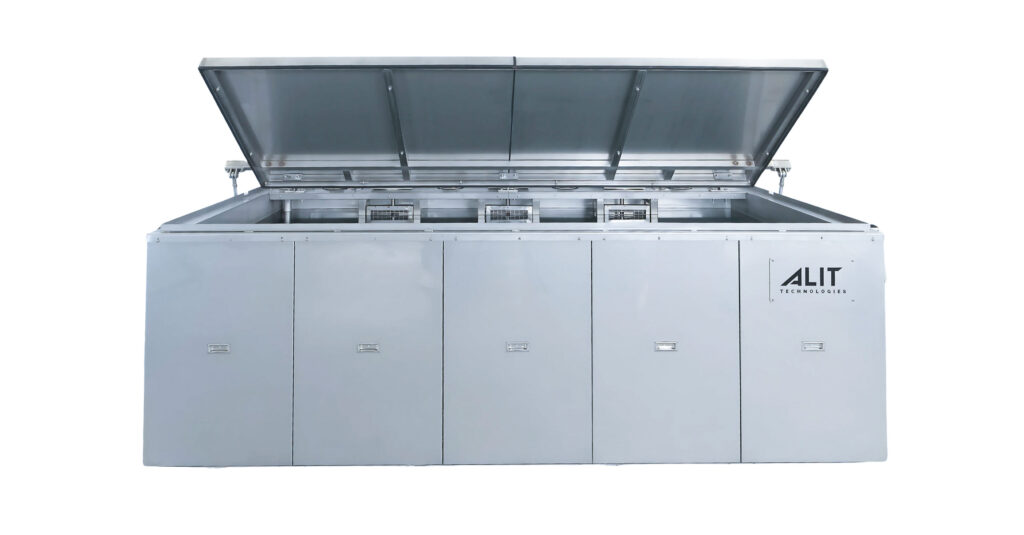
FASTRIP T6 was developed precisely in response to this scenario: the new ALIT solution for immersion paint stripping of medium-large components.
How does it work?
Immersion technology is well established, but in daily operations it comes with variables that directly impact costs and production continuity: uneven temperature, bath degradation, and inefficient rinsing management. FASTRIP T6 addresses these aspects through a targeted design. The integrated wall heating system, full insulation and vertical mixers work together to keep the bath active and uniform, even when dealing with complex coatings such as epoxy-based paints.
Structure, size and configuration
FASTRIP T6 is designed to handle medium-large components, with configurations ranging from approximately 2400 up to over 5500 liters, and usable lengths up to 3500 mm. This allows the processing of large parts without the need to split loads or adapt the process. From a construction standpoint, the machine is built in AISI 304stainless steel, ensuring chemical resistance and long-term durability even under continuous operation. Full insulation on all sides contributes not only to energy efficiency, but also to bath stability, reducing heat loss and maintaining consistent working conditions. The integrated electric heating system, combined with vertical mixers, allows operation up to 80°C while ensuring uniform treatment across the entire load. Additional technical features include a guided microwave level sensor, pneumatic lid, and a design that facilitates easy access and maintenance.
First feedback
Initial industrial applications confirm this approach. A FASTRIP T6 unit has been installed in a real production environment in Northern Italy, within a company specialized in industrial coating services. After several months of operation, feedback has been highly positive: the process remains stable over time, cycles are effective even on difficult-to-remove coatings, and chemical consumption remains consistent with the workload. The system has been smoothly integrated into the production flow, with simple operation for operators and easy maintenance access. In environments where equipment must be continuously available, this translates into fewer interruptions and improved operational continuity.
And what about costs?
The key point is not only technical, but also economic. When comparing different stripping technologies, the difference lies in energy, chemicals, water consumption and operational time. FASTRIP T6 is designed to act on these variables in a practical way. Insulation reduces heat loss, bath management extends chemical life, and cycle organization allows optimization of rinsing water usage. In existing applications, practices such as water reuse and combined immersion/rinsing cycles contribute to making the process more efficient and controlled.
Chemical stripping vs pyrolysis
For years, pyrolysis ovens have been considered the default solution for medium-large components, not necessarily for efficiency, but due to habit and perceived capacity. Today, this scenario is changing.Immersion stripping, when properly designed, allows greater process continuity and control over variables that are more rigid in pyrolysis systems: cycle times, batch management, energy consumption, and performance on complex coatings. With FASTRIP T6, this approach becomes applicable even to medium-large components, overcoming the traditional limitations of immersion technology at this scale.
Mobile pump, filtration, fluid management
Another key aspect is the system approach. FASTRIP T6 is not designed as a standalone machine, but as part of a broader process that includes fluid management, filtration, recycling and digital control. In this context, even auxiliary components become strategic in daily operations, helping simplify activities and improve overall efficiency.
Want to understand if this is the right solution for you?
Contact us by filling out the contact form on our website, specifying your interest in immersion paint stripping. Our technical sales team will get in touch with you as soon as possible to develop the solution best suited to your needs.
On May 20, 2026, we will be in Milan at the “Fondazione Cariplo Congress Center” to take part in SMART’26, the conference organized by UCIF-Anima dedicated to surface treatment and finishing technologies.
The theme of the 2026 edition, Sustainability is value creation: how innovation, AI and digitalization drive change, highlights the role of advanced technologies in transforming industrial processes. SMART represents a key opportunity for discussion among companies, experts and the research community, aimed at sharing insights, experiences and practical solutions to support competitiveness and industrial transition.
We will be participating as official speakers within the event program. More details about our speech will be shared soon!
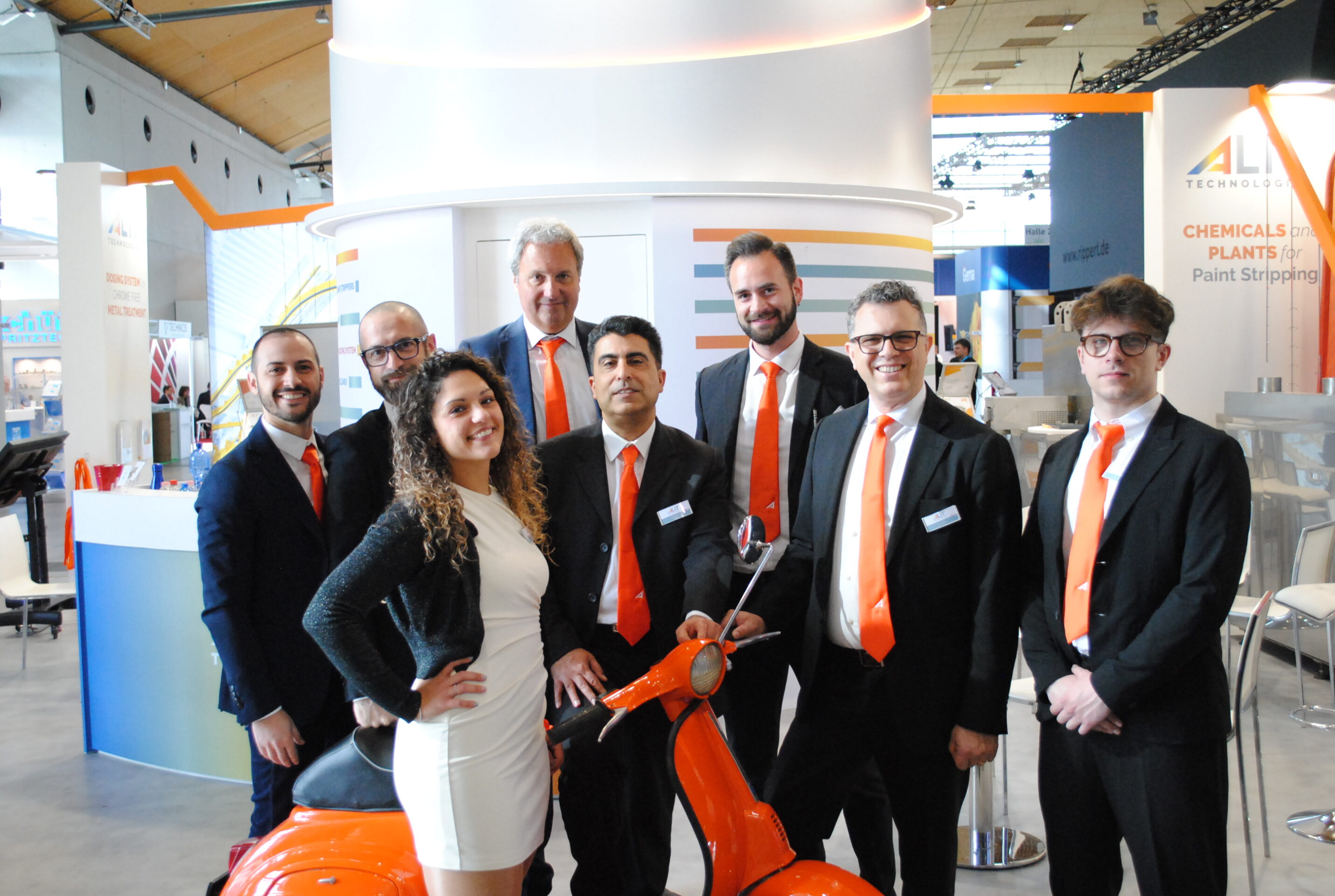
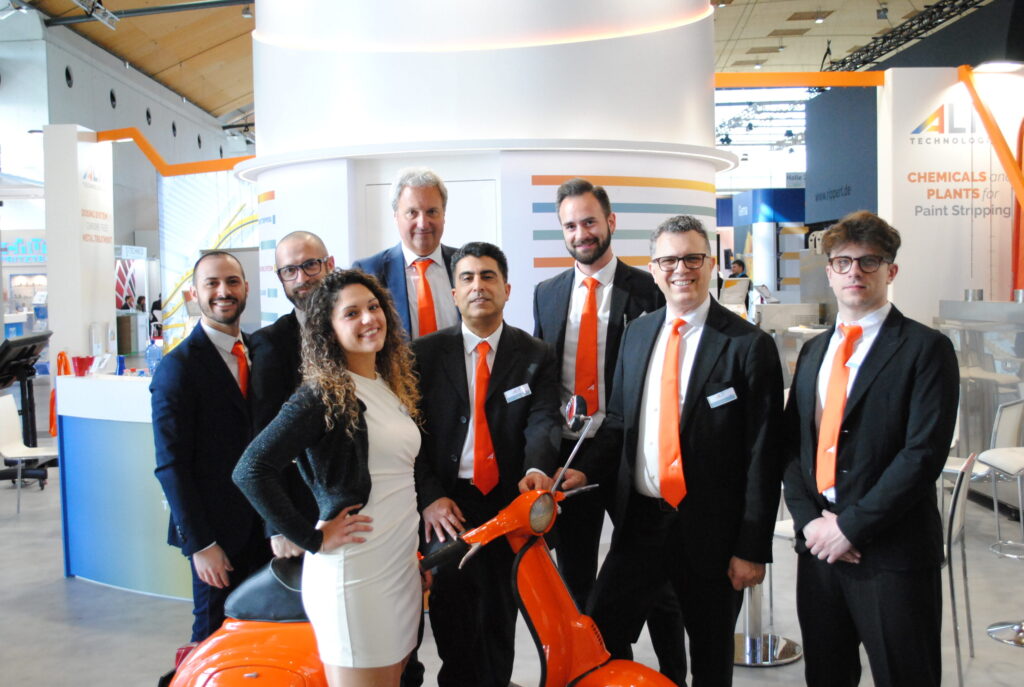
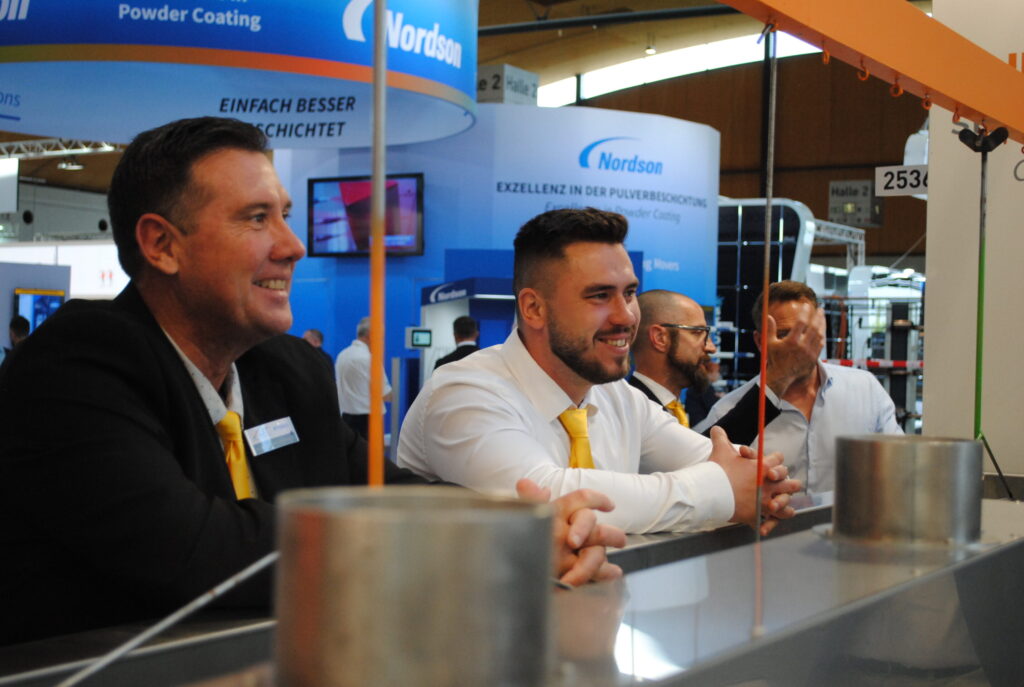
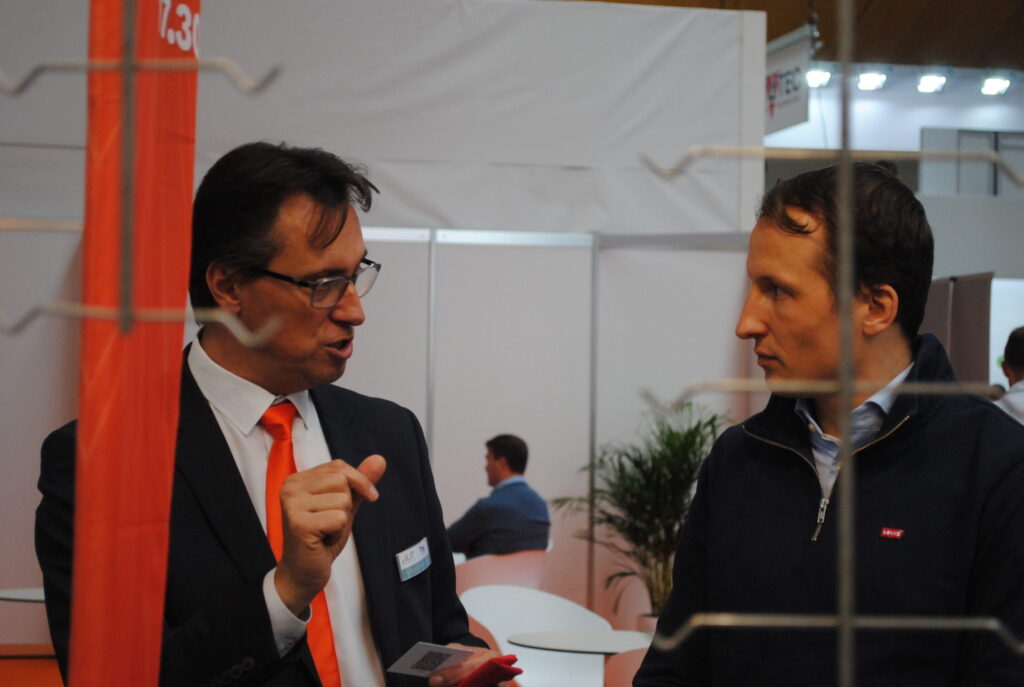
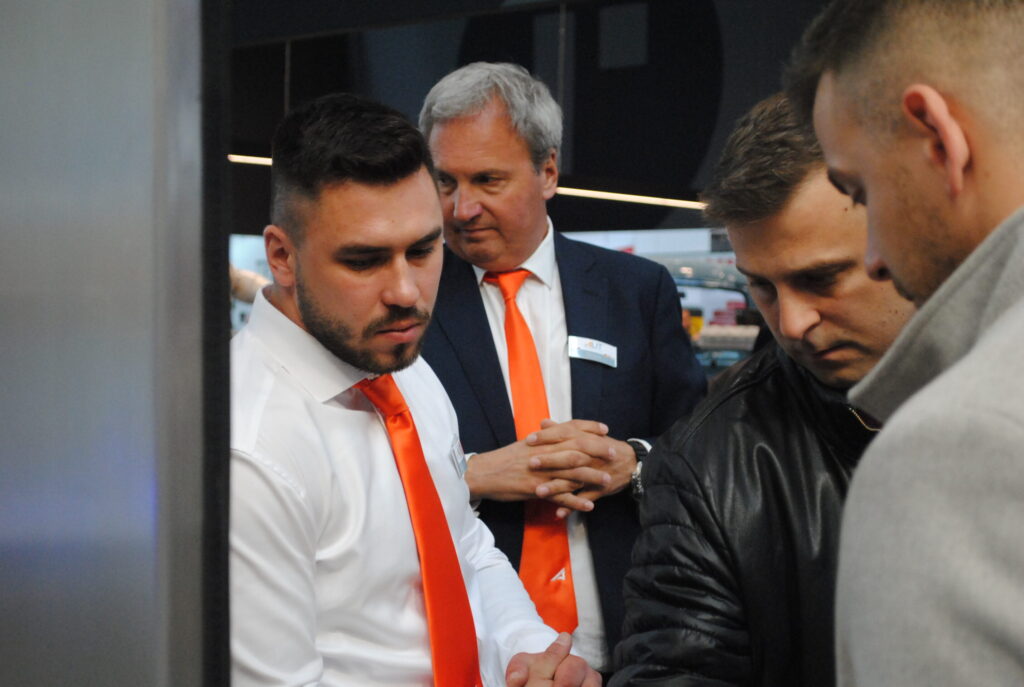
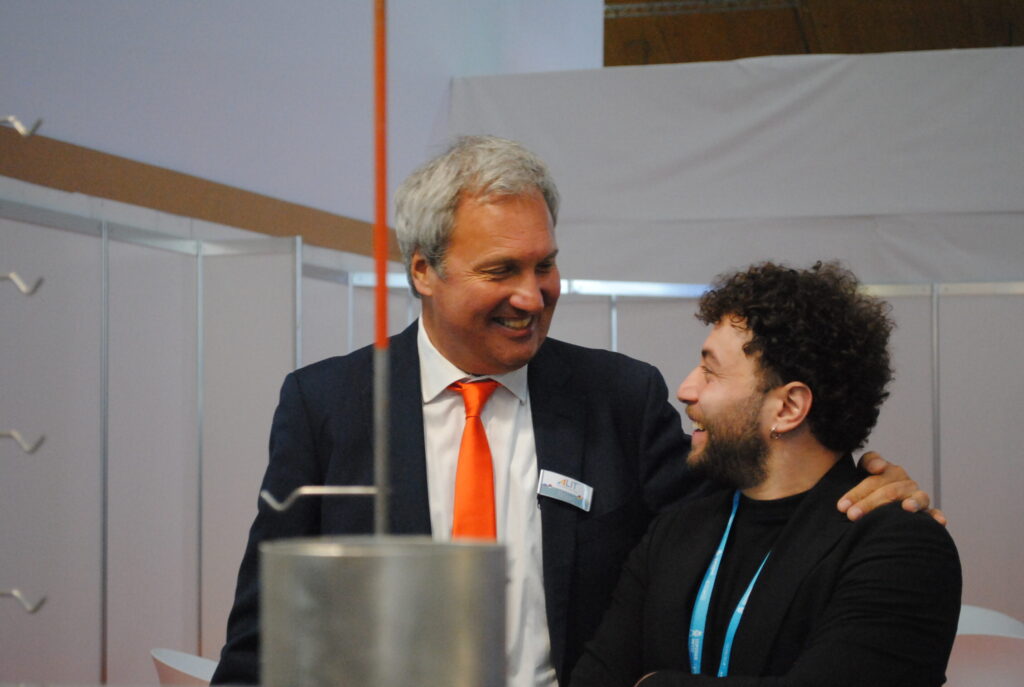
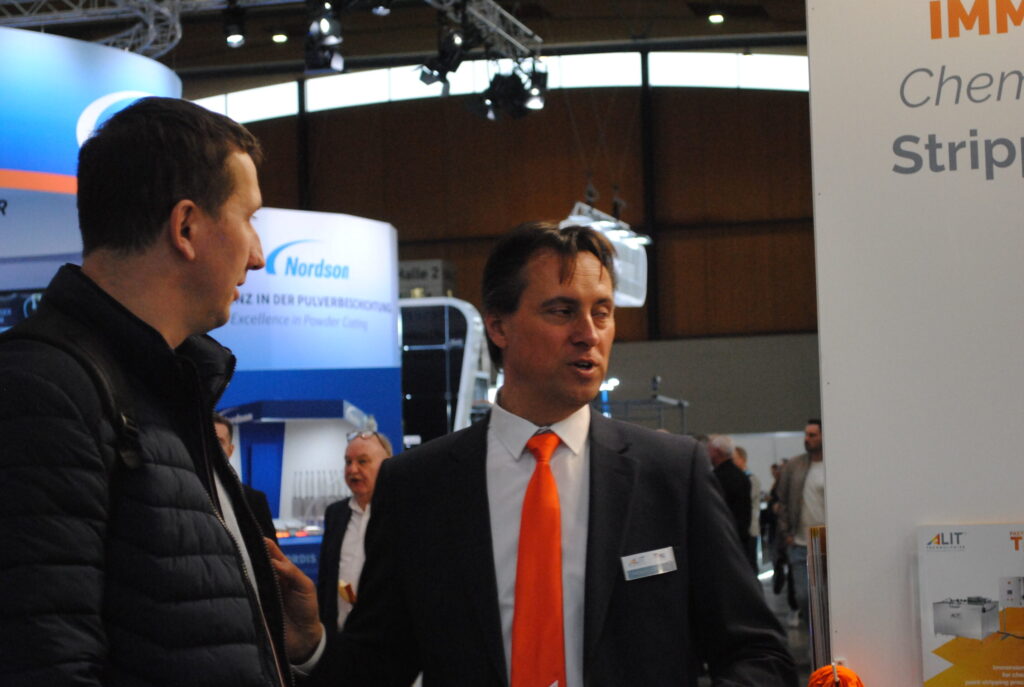
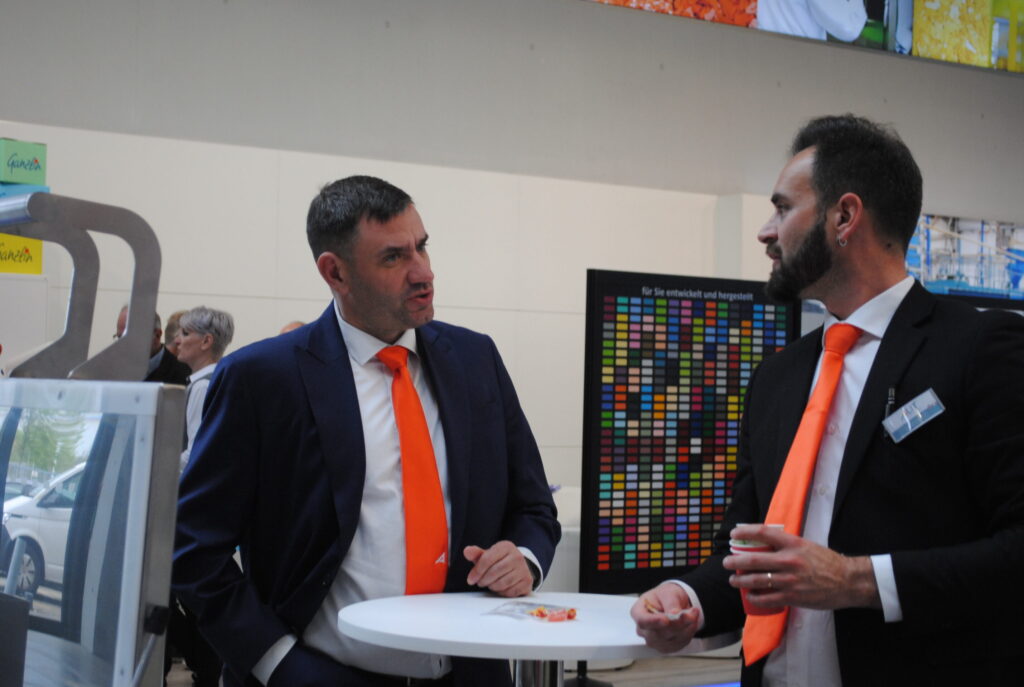
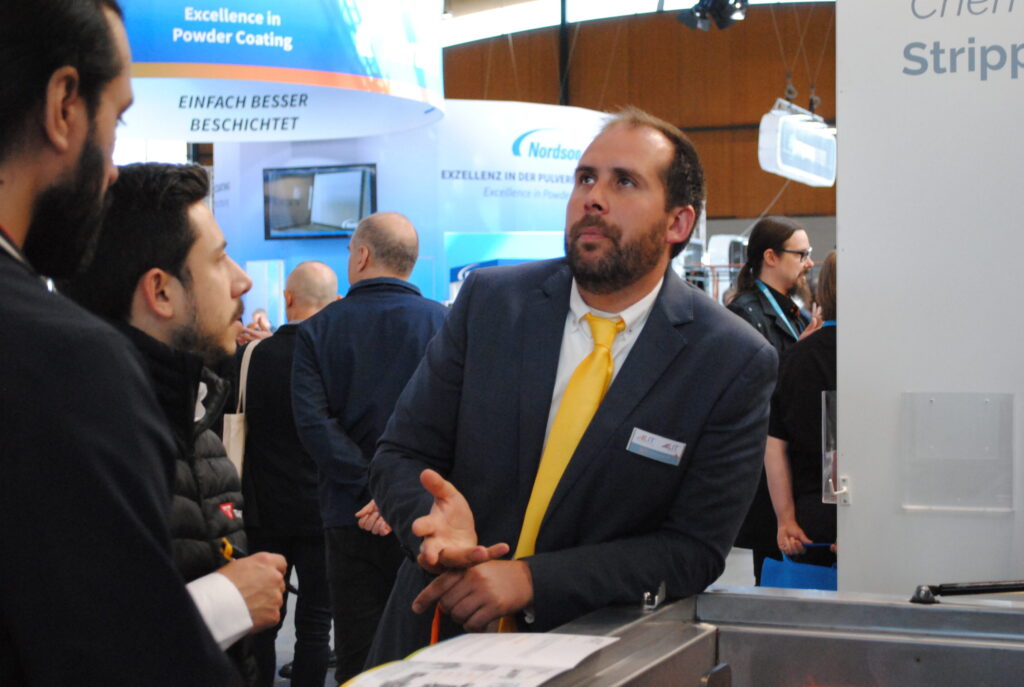
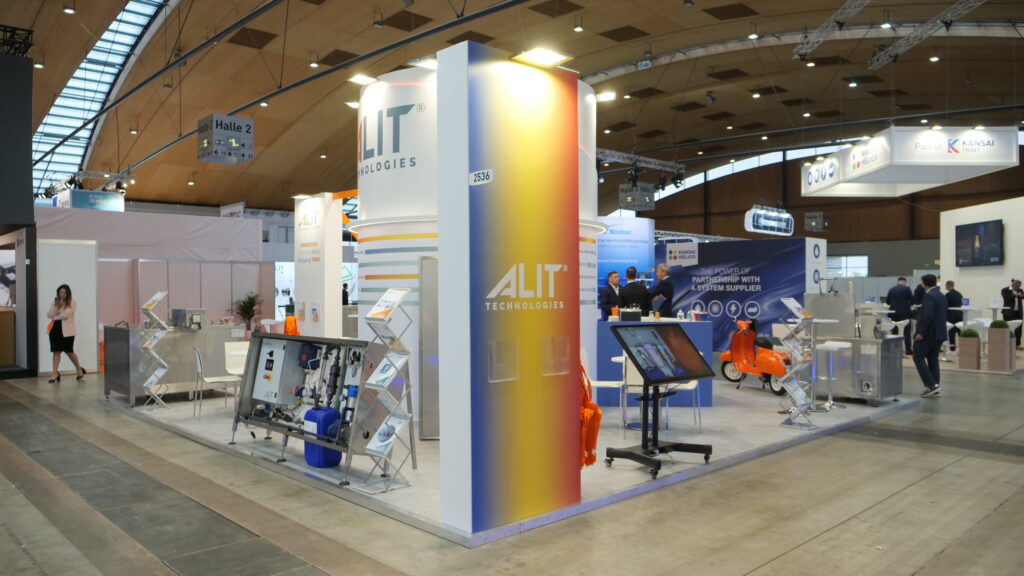
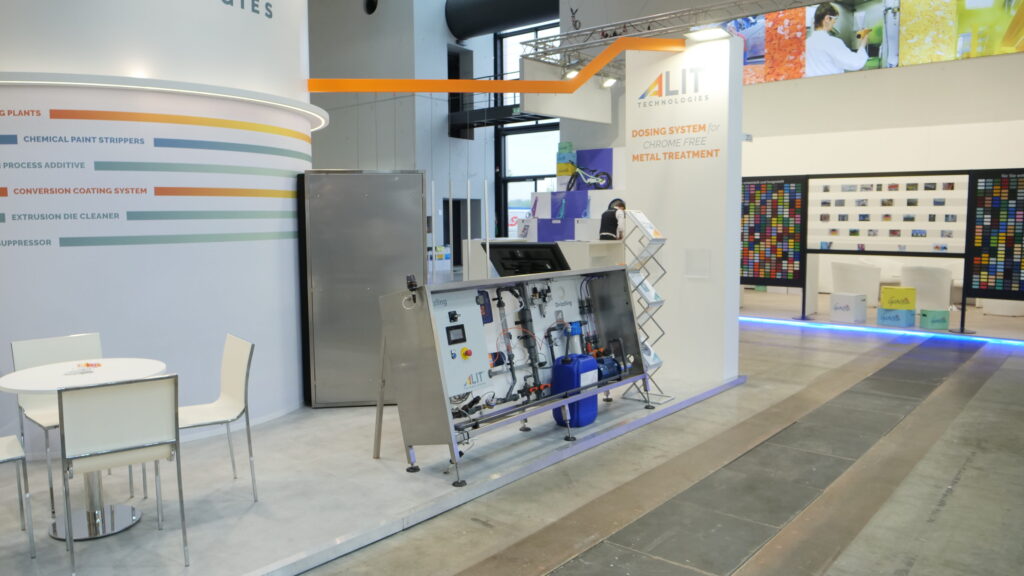
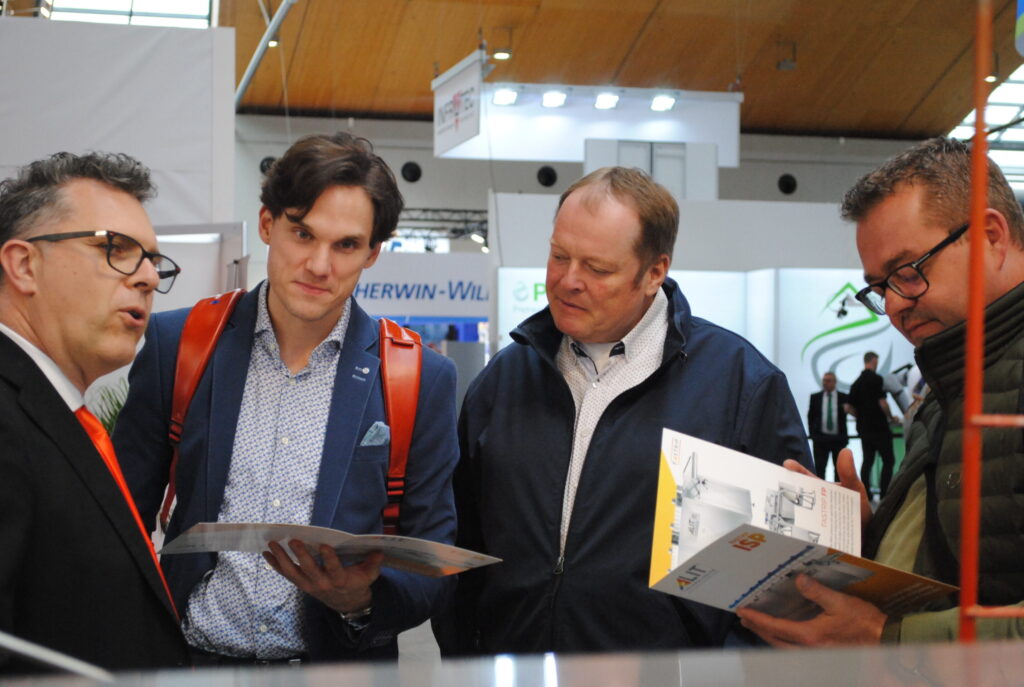
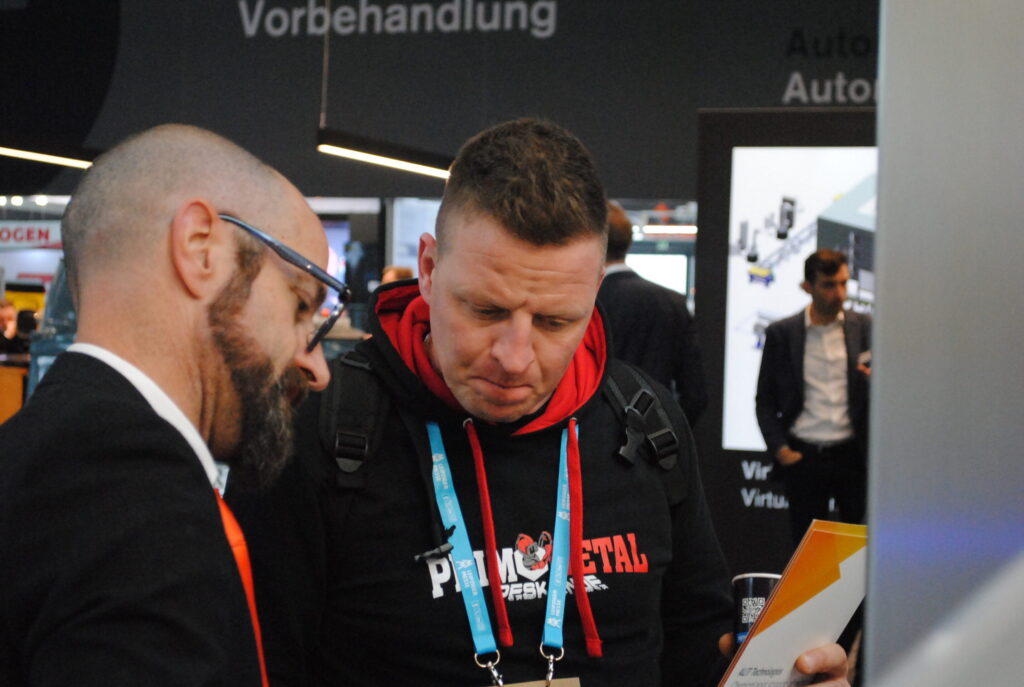
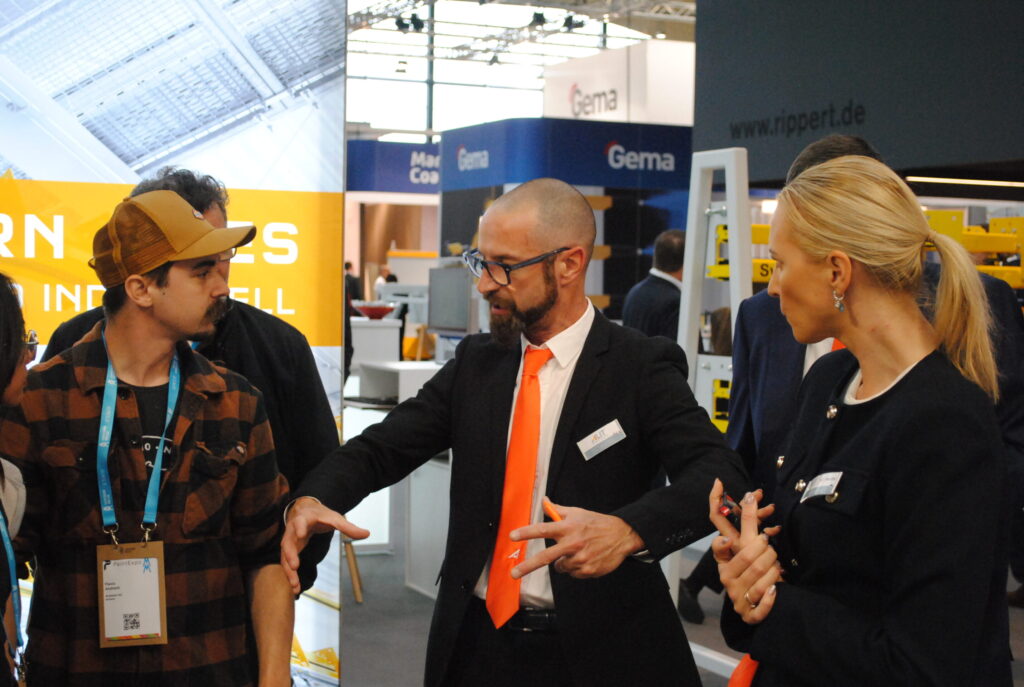
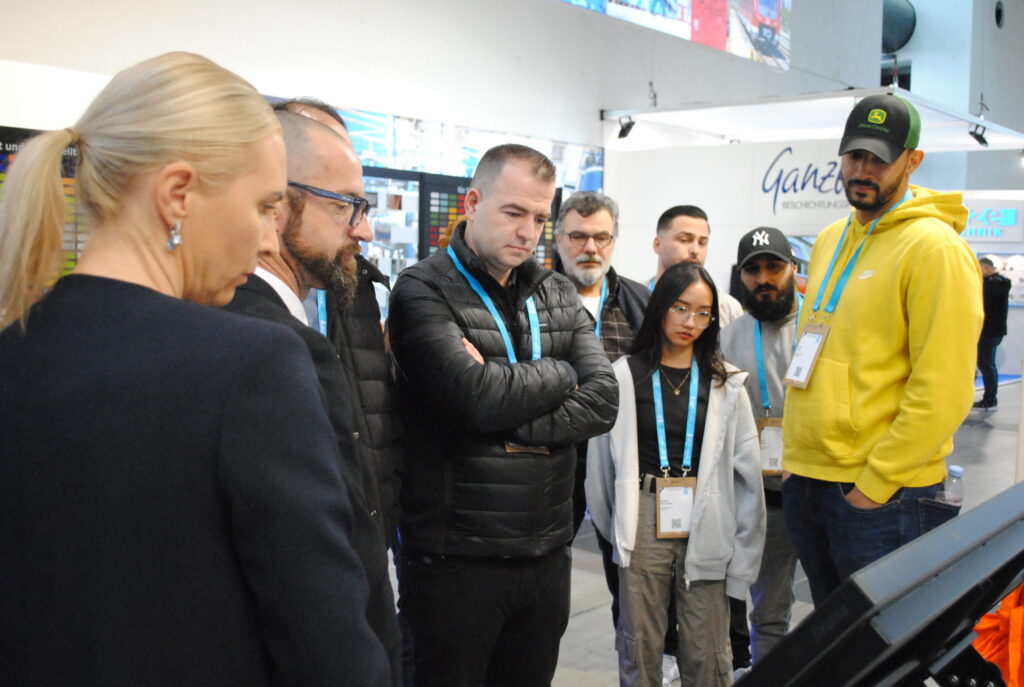
PaintExpo 2026 is over, but some moments stay with you longer than others. Long days, constant movement, conversations one after another. The kind of rhythm that leaves you tired, but in the right way.
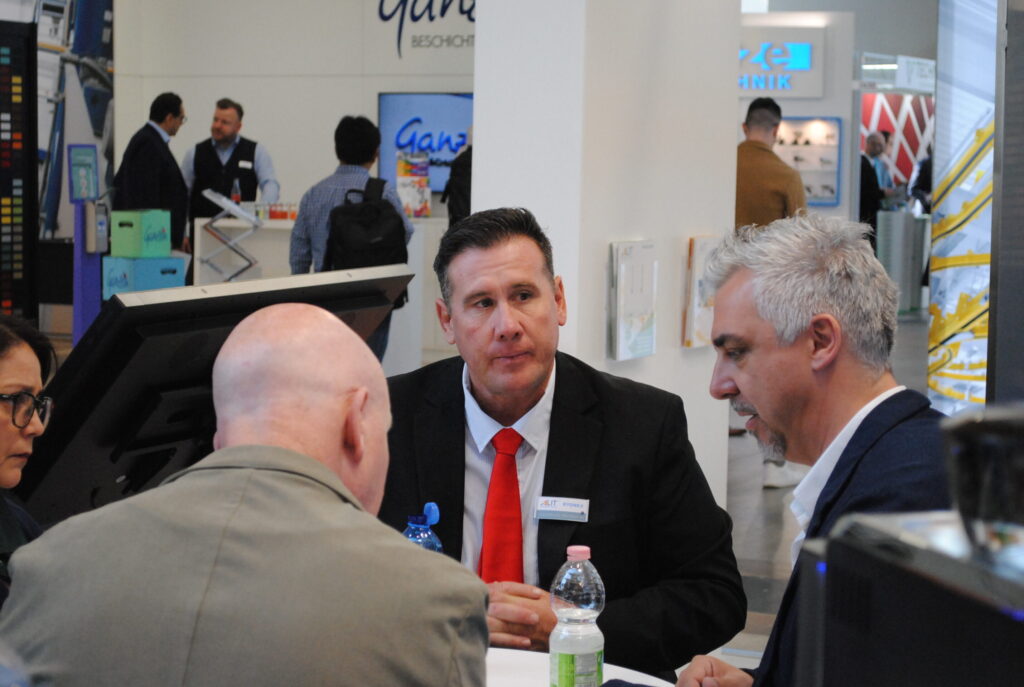
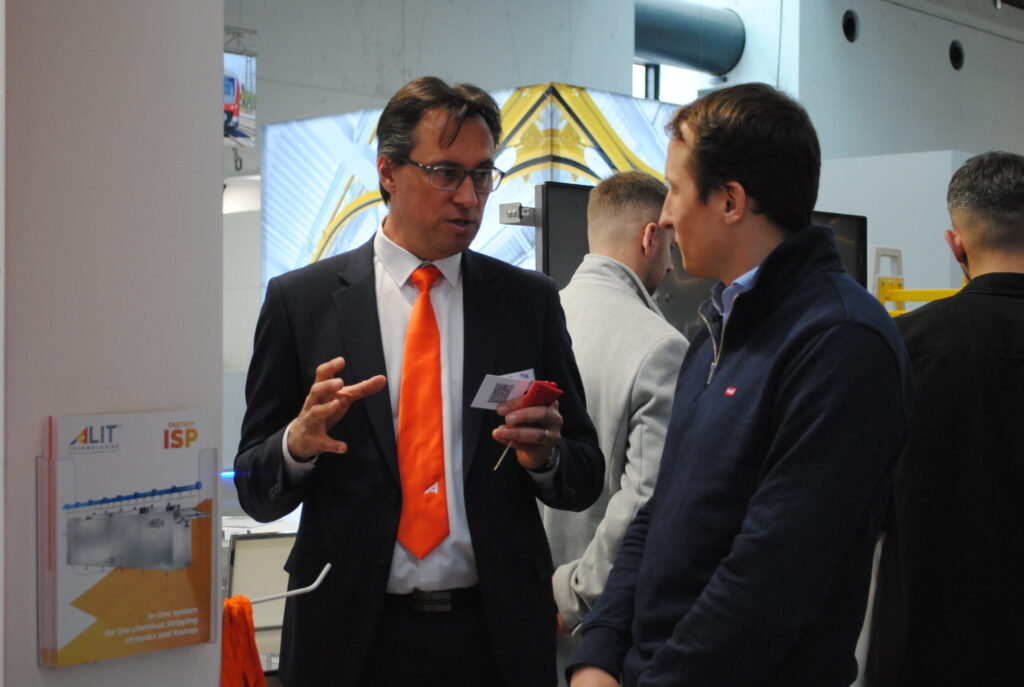
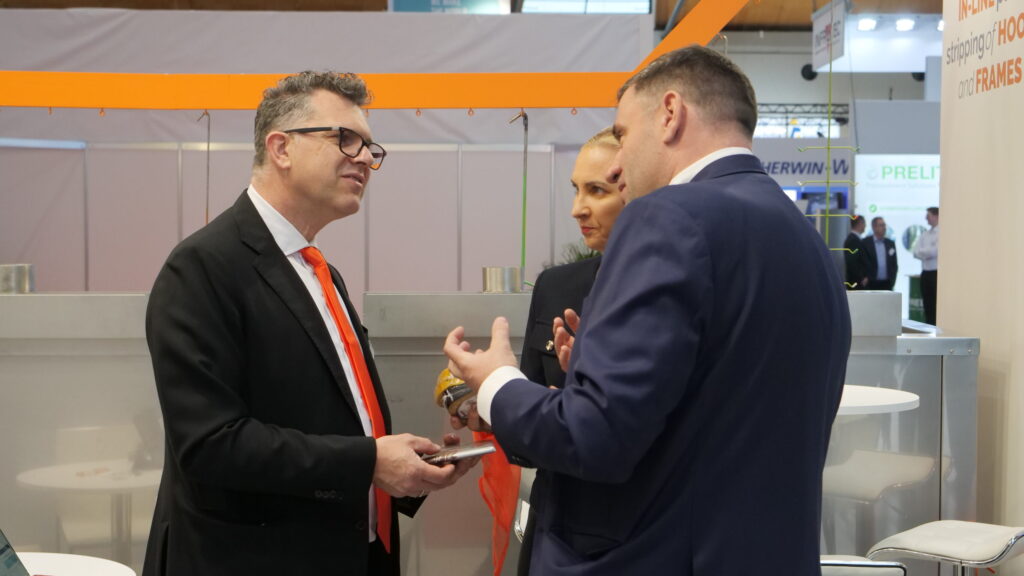
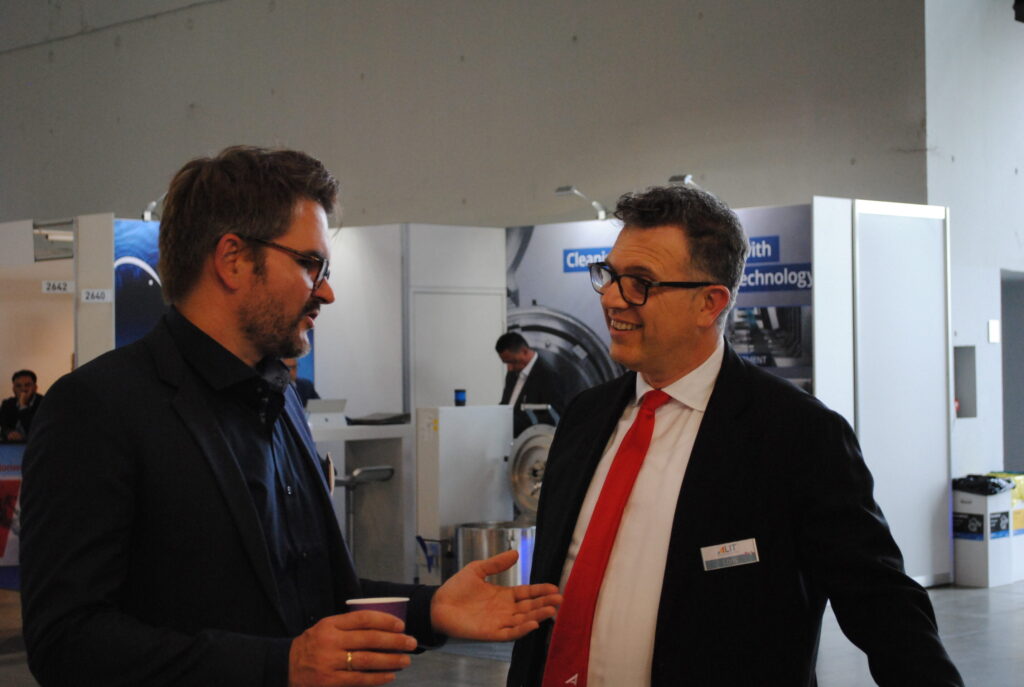
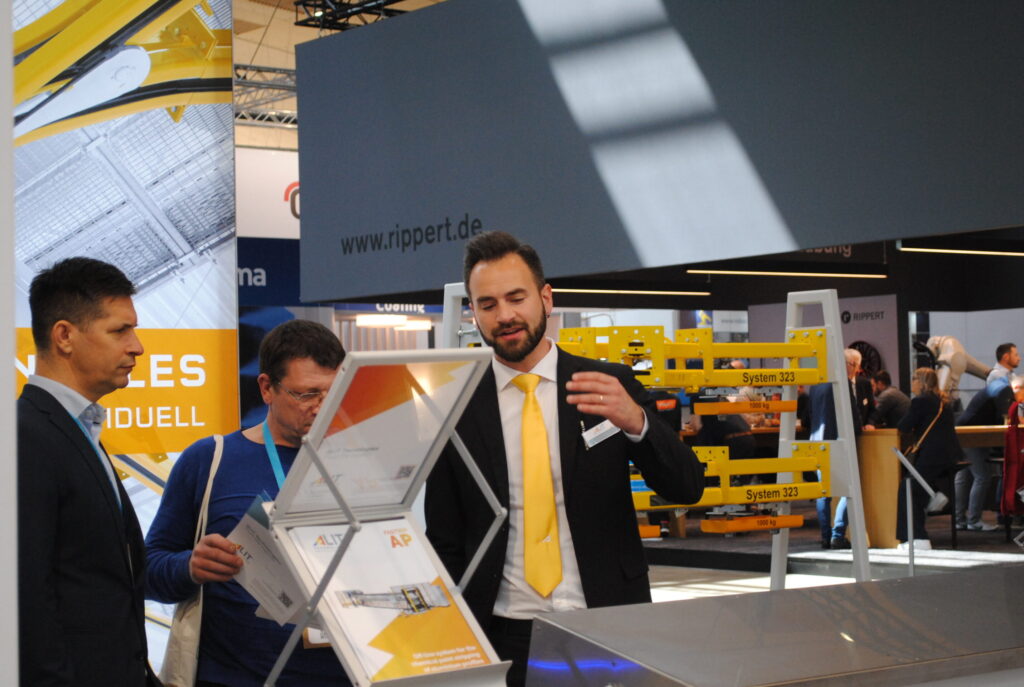
From the very first day, the feeling was clear. The stand was full, the flow never really stopped, and most importantly, the quality of the conversations was high. People weren’t just passing by. They came with questions, needs, real projects in mind.
One of the most meaningful parts of the week was seeing our distributors working side by side with us at the stand. Australia, France, Turkey, Slovenia, Serbia, Portugal, Poland, Estonia, Czech Republic, Hungary, Slovakia. Different countries, different markets, but the same direction. Spending those days together, talking to customers, sharing ideas and experiences, made everything more concrete.
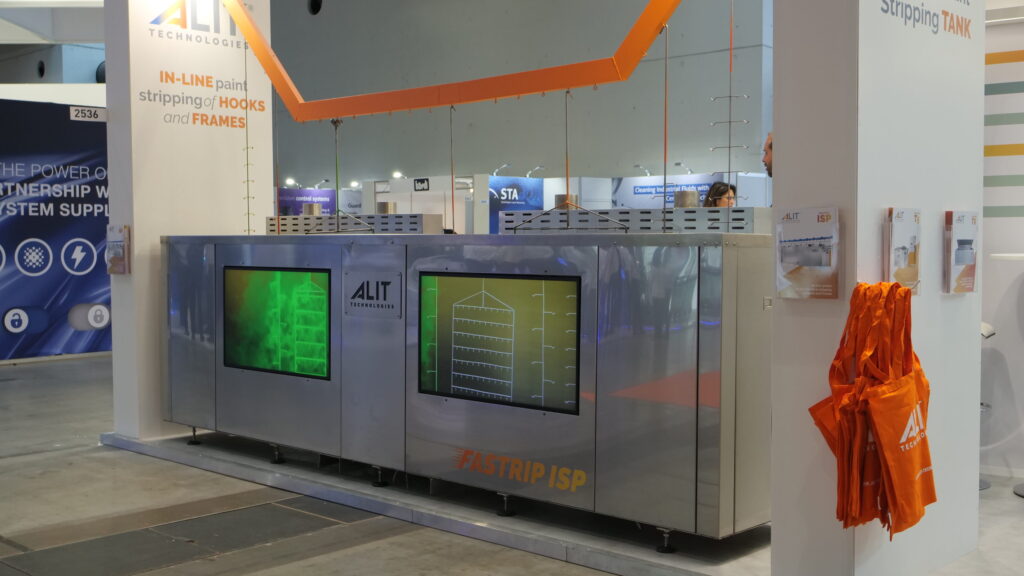
At the center of most conversations, once again, was stripping. Not as a secondary process, but as a key part of production efficiency. Our ISP technology, for inline stripping, confirmed its role as a reference point. The level of interest was so high that we ran out of all 200 brochures we brought to the fair.
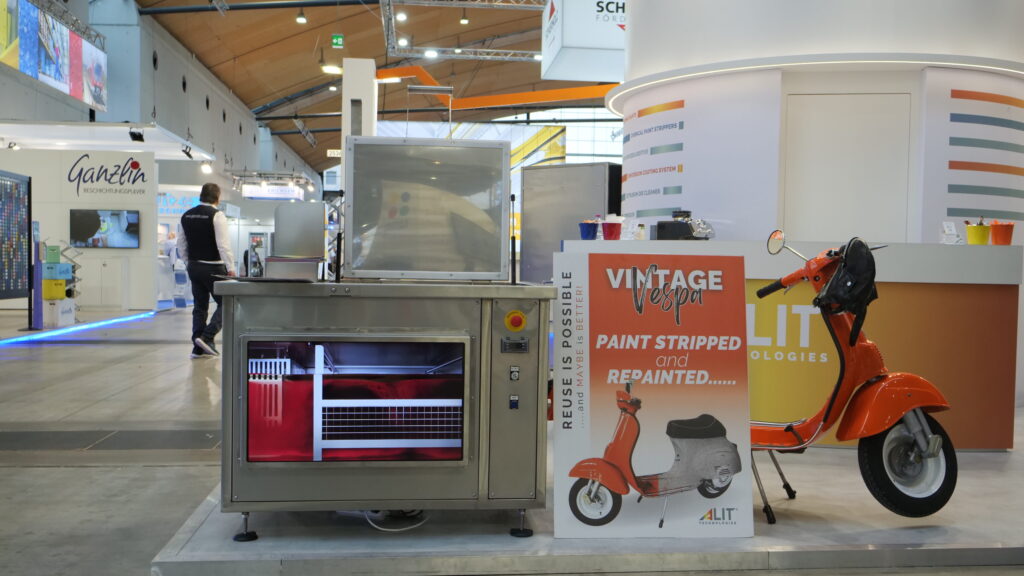
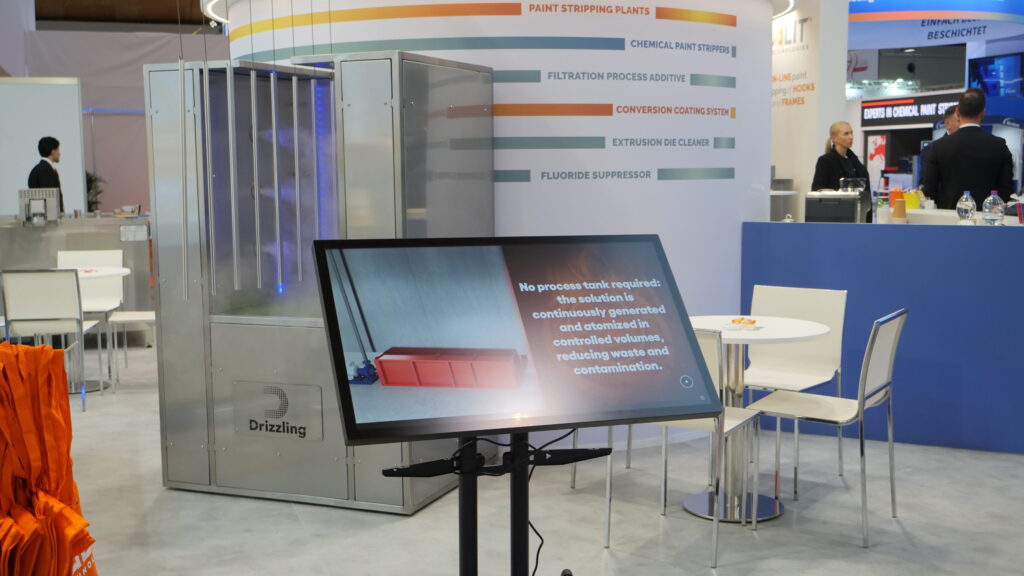
Alongside ISP, we also presented our immersion solutions, including T5 and T2 120 Mix, as well as our Drizzling system.
Because if there’s one thing this edition made clear, it’s this: even in a complex global scenario, where uncertainty is affecting many industries, the will to invest is still there. And it’s not generic. It’s focused. More and more companies are looking at their processes, asking how to make them more efficient, more reliable, more sustainable. Stripping is part of that conversation, more than ever.
Looking back, what we bring home is not just contacts or numbers. It’s the feeling of having been part of something active. Of having shared time, ideas and direction with people who are moving in the same way.
Paint Tech Group is a technical partner, used to working side by side with manufacturing companies and managing complex industrial processes. They don’t just supply products: they step into problems, analyze them, and solve them.
And that’s exactly what a market like Hungary needs, where automotive and metalworking demand increasingly efficient and controlled processes.
Together, we will bring not only ALIT technologies, but also our approach: analysis, testing, and continuous support.
Our network, our strength
Every new distributor is one more relationship. That’s how we grow: by building strong connections based on expertise, trust, and shared goals.